

Antique shops are full of small objects that most visitors glance at and keep walking past. A little folk instrument is a perfect example, and for one collector it was enough to stop her in her tracks. She found not one, not two, but three of them sitting together on a shelf, and she knew exactly what they were. They were jaw harps, and she could not leave without them.
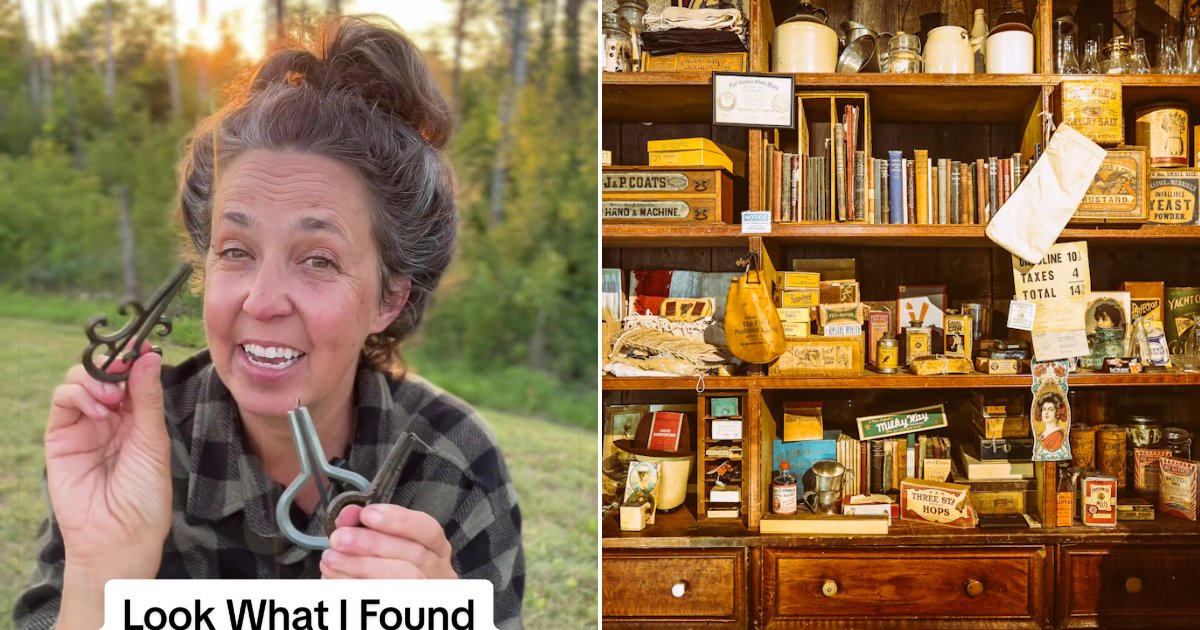
The story was told by @mollywhuppiemusic, who sat on the grass at golden hour to show off her new finds, play each one, and share what happened after she left the store.
@mollywhuppiemusic
Three Finds, Three Very Different Sounds
She explains that two of the three are very, very good, and the third is just okay, but she could not leave that one behind either. Laid out on a light wooden table, the three metal instruments show clearly different shapes and sizes. The first has an ornate, wide frame, and its sound is lovely. The second is shaped like a teardrop and has a lower, deeper vibration, which she describes as really different. The third has a circular handle and a rhythmic twang. It is the least resonant of the group, she says, but still a really good jaw harp.
Her enthusiasm is easy to understand. Three instruments, three personalities, all found at once on a single shelf.
The Kid Outside the Store
The best part, in her view, is not the haul at all. After she left the shop, holding the instruments in her hand, a kid spotted her and said he loved that musical instrument and had always wanted one. He asked where she had bought them, and she told him she had just found them in the antique shop.
It turned out she was prepared. She often carries a kazoo, a jaw harp, or some other interesting instrument in her purse, so she had an extra jaw harp on hand. She offered him one of her older ones, and he was thrilled. He told her he planned to learn how to play it properly so he would not hurt himself, which is exactly the right instinct. She says she thinks she made his day.
What a Jaw Harp Is
A jaw harp, sometimes called a mouth harp, is a small instrument made of a frame and a thin flexible metal tongue. You hold the frame against your mouth, pluck the tongue with a finger, and change the shape of your mouth to shape the sound. Versions of this instrument turn up in folk music traditions around the world, which is part of why collectors find them so appealing. Each one has its own tone, and no two shapes sound quite alike, as the three on this table prove.
Spotting Small Folk Instruments at Antique Shops
Small instruments are easy to miss because they are often mixed in with tools, trinkets, and costume jewelry. A few habits help you notice them.
- Scan the small cases and shelf edges, not only the big furniture and decor.
- Look for slim metal objects with a frame and a thin tongue, which is the classic jaw harp shape.
- Ask the staff if they have a box of miscellaneous musical items, since it may not be on display.
- Check that the tongue is straight, not bent, cracked, or rusted through.
- Learn a few brand and region marks so you can tell handmade pieces from mass produced ones.
Testing and Cleaning a Secondhand Instrument
Because a jaw harp goes against the mouth, hygiene matters. Wipe a secondhand one carefully with a cloth and a little rubbing alcohol, and let it dry fully before you play it. Test it gently at first. A bent tongue can change the sound or snap if forced, and an instrument with surface rust may need careful cleaning before it is safe to use. It is a good idea to learn the basic technique from a good teacher or tutorial, because plucking too hard or holding it badly can hurt the teeth.
For display, a shadow box or a small velvet lined tray shows off the shapes beautifully. Keep metal pieces dry and away from humid rooms, and you will slow down rust.
Why Collecting Little Things Pays Off
Collecting something small and specific has real advantages. It takes up little space, it sharpens your eye, and it makes every antique store trip a treasure hunt. Over time, you start to notice the pieces others overlook, and you learn which details separate a good example from an average one. Prices vary widely depending on age, maker, and condition, so treat any estimate with caution and compare similar pieces before paying.
The Takeaway
The finest finds are not always the most valuable ones. Three small instruments gave one collector a new set of sounds, and one spare jaw harp gave a curious kid a new hobby to try. Keep an eye out for the little things, and share them when the chance comes up.
Credit for the original post goes to @mollywhuppiemusic on TikTok.

Leave a Reply