

Some thrift store finds announce themselves from across the room. For one shopper, it was a small wooden side table with a lovely floral pattern across the top, and the moment she spotted it she headed straight for it. She knew right away that the piece looked old and expensive. Another shopper, it turned out, had come to the same conclusion at the very same moment.
The story comes from @thriftswithsara, who explains that she is not a flipper. She does not buy anything she is not going to use herself or give to a friend, so this table was meant for her own living room from the start.
View on Instagram
The Table That Almost Started a Fight
She lifted a woven basket off the polished top, and as she did, another shopper’s hand reached in and grabbed the edge of the table. The shopper came over, and when our thrifter told her she was going to buy it, the other woman had a few choice words. The thrifter shrugged it off, paid, and carried the table home, where it proved to be worth the awkward moment.
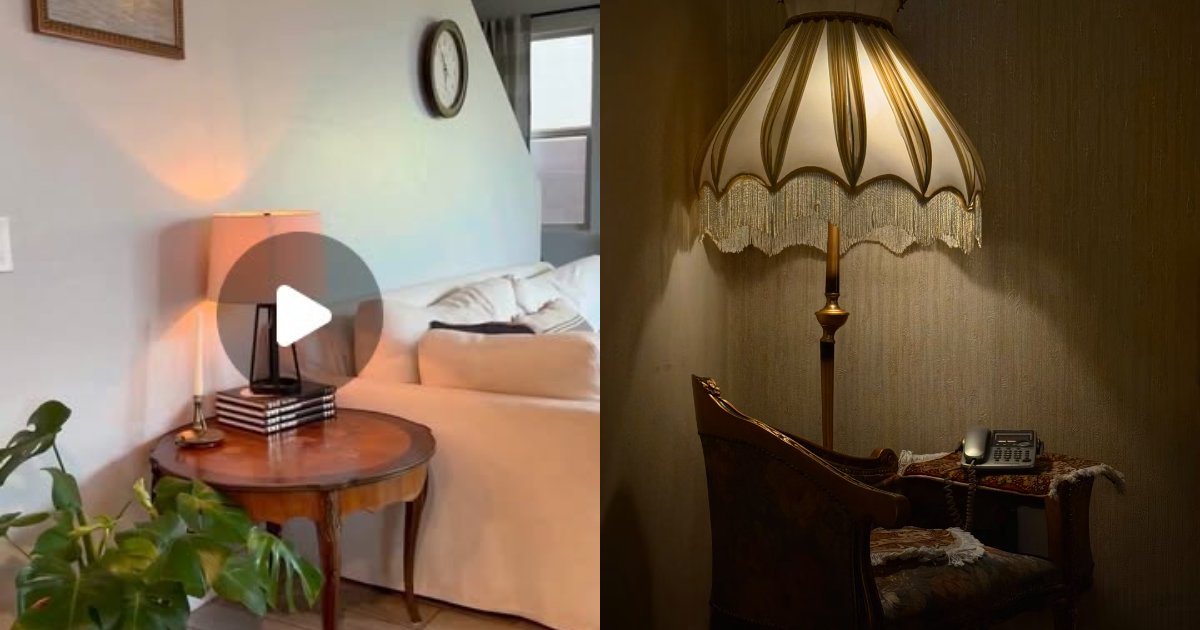
Up close, the details explain the tug of war. The top carries a floral design made of different woods. The legs are carved with a graceful curve, there are brass mounts on the piece, and the edges are scalloped. At home she styled it beside a white sofa and a leafy plant, with a stack of vintage Old West books, a lamp with a warm glowing shade, and a brass candlestick on top. After some research, she found out it is a mid century Italian marquetry table with real wooden inlay and brass trim, and that it is worth over 500 dollars.
What Marquetry Actually Means
Marquetry is the craft of assembling thin pieces of veneer, cut and fitted together like a puzzle, into a picture or pattern across a surface. A floral top like this one is a classic example. The skill involved is one reason well made examples have long been prized by furniture collectors, and it is also why a piece with a real wood pattern looks so different from one with a printed or stamped imitation.
Telling the two apart is the first useful skill for any thrifter. Run your fingertip over the design. Real marquetry usually shows tiny differences in grain direction and color between the pieces, and you can often feel faint edges where the veneers meet. A print on a flat surface looks identical from piece to piece, and the grain pattern repeats in a way natural wood never does.
How to Check a Secondhand Table Before You Buy
- Turn it over or tip it gently to look at the underside. Hand finished interiors, visible joinery, and a maker’s label or stamp are all encouraging signs.
- Check the veneer for lifting corners, bubbles, or chips, because repairs can cost more than a thrift tag saves.
- Wiggle the legs and look at where they meet the top. A wobble is often fixable, but you should know before you pay.
- Look at the metal mounts. Brass trim that is attached with small pins or screws and shows honest age is usually a better sign than glued on plastic.
Researching the Value Without Guessing
After she got the table home, she looked into what it was, and that is the right order of operations when you only have a few seconds in the aisle. Search for the style, material, and country of origin, then compare it to pieces that actually sold rather than the asking prices on listings. Asking prices can be wildly optimistic, while sold results show what buyers truly paid. Condition, size, and your local market all move the number, so treat any figure as a ballpark, not a promise.
Maker’s marks, surviving original finish, and replaced hardware can all change the number. For a firm figure, ask an appraiser or reputable antiques dealer.
Thrift Store Etiquette When Two People Want the Same Piece
Almost every regular thrifter has lived this moment. The general unwritten rule is that the item belongs to whoever is holding it or has put it in a cart. In this case the shopper had lifted the basket, handled the table, and said she was buying it, a common rule of thumb. A smile helps, and if the other person was truly there first, it is gracious to step back.
Caring for a Marquetry Table at Home
- Dust with a soft, dry cloth rather than spraying cleaners directly on the surface.
- Keep the top out of long direct sun, which can fade wood and lift veneer.
- Use a coaster or a tray under plants and lamps so moisture and heat never touch the wood.
- Leave the brass alone unless it is dirty, and use only a gentle polish if it is.
The Takeaway
The best finds usually come from trusting your eye, moving quickly, and doing the homework afterward. A small table with real craftsmanship ended up as a cozy centerpiece, and the story that goes with it is half the fun. Next time you are in a thrift store, look past the basket on top and check what is underneath.
Credit for the original post goes to @thriftswithsara on Instagram.

Leave a Reply