

Garage sale season brings out the urge to clear the shelves, but a few forgotten kitchen and closet items are worth far more than the quarter on the sticker. Others are best sent to the curb for safety reasons, no matter how fond the memories. Below are eight retro household items worth setting aside for a closer look, followed by five that safety agencies and consumer groups say are better off tossed. Prices come from published sources, are often asking prices or single sales, and vary a lot with condition and maker. None of it is a promise of what your item will bring, so when something looks special, get a second opinion before the sale.
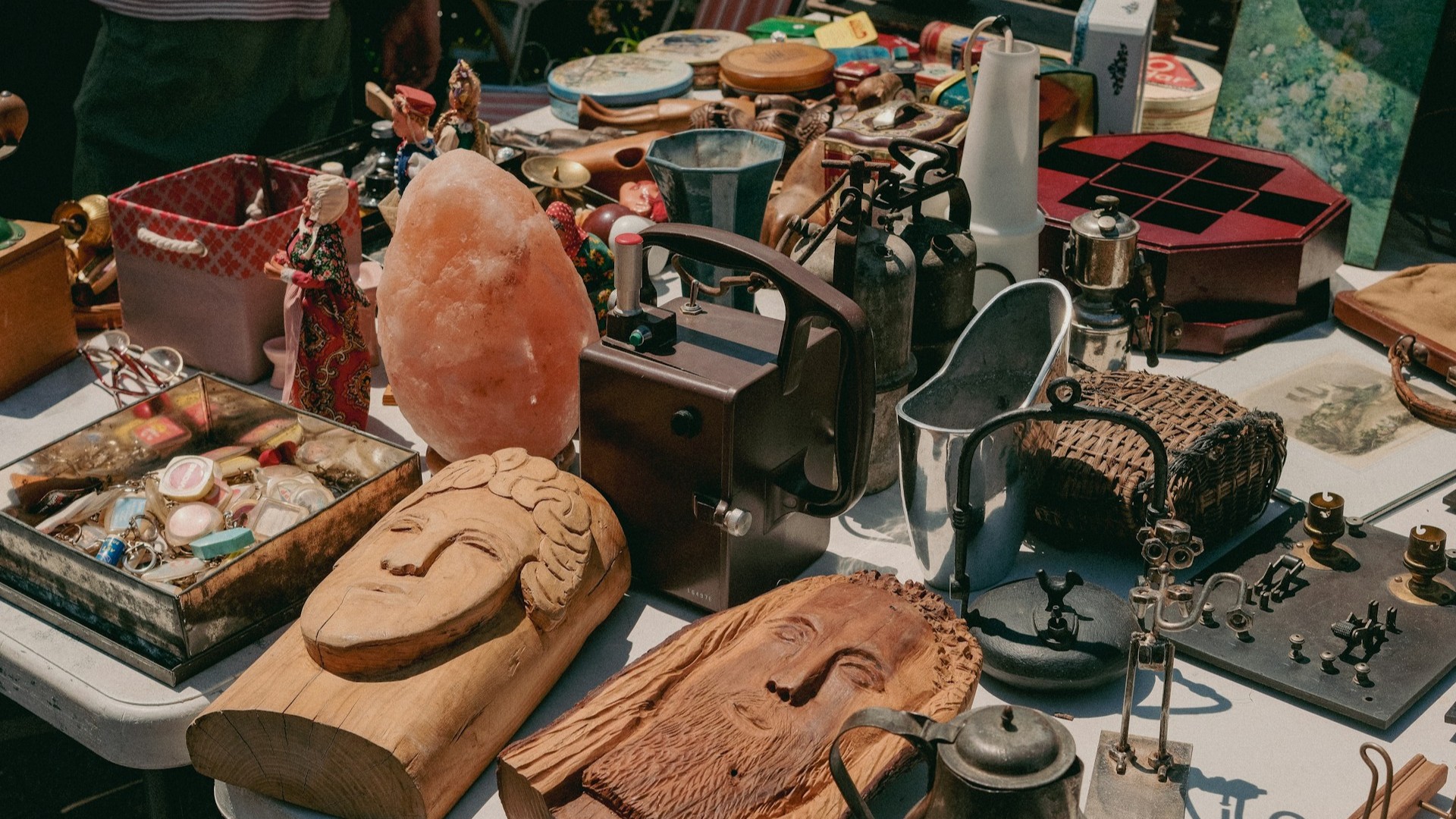
Eight Worth Keeping
1. Vintage Pyrex
Those colorful casserole dishes and mixing bowls are no longer just kitchen basics. Tasting Table reports that a rare single Pyrex piece may fetch about $100 and full sets can sell for several hundred dollars, with a Lucky in Love casserole selling for $5,994 at a Goodwill auction. The writer lists Color Ware from 1945 and the Cinderella mixing bowls among the notable pieces. Pattern, color and condition decide the price, so check for scratches, faded decoration and missing lids. The article advises keeping Pyrex away from the dishwasher to protect the finish. Hold on to complete nesting sets together, because buyers like a full set. Keep in mind that these are standout examples, and most everyday Pyrex sells for far less.
2. Fire King Jadeite
The pale green milky glass your mother used at every holiday has a loyal following. Appraiser Dr. Lori Verderame told Hunker that Fire King jadeite is generally valued in the $50 to $500 range, and that nesting bowl sets, some serving pieces and full dinnerware sets run from $250 to $1,000. Those figures assume good quality with no cracks or obvious repairs. Hunker adds that weight and an embossed early Fire King mark on the bottom are signs of authentic pieces, and that older jadeite may have lead based glazes, so it is wise to display it rather than serve food on it. Sort the pieces and keep the matching ones together. If you are unsure of a piece, photograph the bottom mark and compare it with a collector guide before you set a price.
3. Griswold and Wagner Cast Iron
A black skillet that has fried chicken for three generations may be a keeper. Tasting Table reports a No. 2 Griswold with a slanted logo sold for $1,200 on eBay and a vintage Wagner for $999, and says Griswold pieces marked ERIE, PA were made before 1957 and are especially valuable. Rusty or crusted pieces can usually be cleaned and restored, it adds. A hammered pattern Griswold No. 8 waffle iron, House Digest says, is worth upwards of $1,000 when it is complete and free of rust and cracks. These are asking prices and single sales rather than guarantees, so check the logo and markings on the bottom before the garage sale. Photograph the logo and the underside before you price anything.
4. McCoy Cookie Jars
Cookie jars from the McCoy pottery in Ohio sat on countertops for decades. Tasting Table reports that typical McCoy jars sell for about $30 to $75, though rare mint condition pieces can bring hundreds or more. It cites WorthPoint data showing collectors paid $699 to $1,200 for select jars in 2025. Look for a clear McCoy or USA stamp on the bottom. Signs of a fake include dull, cloudy or uneven glaze, imprecise molding and missing or smudged marks. The article adds that the Little Red Riding Hood jar is a fake, since McCoy never made it. Before you sell a jar cheap, look up the exact character and condition. Because fakes are out there, avoid pricing a jar by its looks alone.
5. Fiestaware
Bright Fiesta dishes in red, cobalt and yellow filled a lot of kitchens. Kat Olvera wrote in The Takeout that a Covered Onion Soup bowl in excellent condition may cost anywhere from $1,500 to $9,000, depending on color, and that an early, marked, flat bottom version adds about 20 percent. She also reported that multicolor Fiesta sets were going for about $1,000, based on what users on Reddit said. That second figure is anecdotal, so treat it with care. Common pieces are worth much less than the soup bowl. Check the bottom and the color, and set aside any lidded bowls and unusual pieces to price separately from the plates. If a piece carries a stamp on the bottom, note it, since the early marked versions are the ones that earn the premium.
6. Sterling Silver Flatware
That boxed set in the sideboard might be worth more than the table it sits on. Tasting Table says to look for Sterling or 925 stamps, which may be hidden under tarnish, and notes that plated pieces are worth far less. To find melt value, multiply the troy ounces by 0.925 and by the current silver price, and buyers typically pay about 60 to 80 percent of melt. With silver at $56.97 an ounce on October 17, 2026, according to FindBullionPrices, ten troy ounces of sterling would have a melt value of about $527 by that formula, before a dealer discount. Famous makers and collectible patterns can sell for more, so don’t scrap a set before it has been priced.
7. Ball Mason Jars
The jars Grandma used for canning peaches can be worth money. Tasting Table says a single Ball jar can sell for over $100, and rare examples have been listed for up to $2,000. Color and age matter. Dark green and purple are rare, and the blue Ball jar from the 1890s is the most sought after, with production ending in 1937. Misprints and production flaws can raise the value instead of lowering it. Not every jar is a find, so go through them for color and lettering. Wash gently and don’t scrub off the embossing or any original lid. Collectors care about details, so photograph any embossing, note the color in sunlight, and list jars one at a time rather than as a lot.
8. Napier Cocktail Shakers
If your parents hosted cocktail parties in the sixties, check the bar cart. Tasting Table reports that Napier Dial a Drink shakers regularly sell for $600 or more on eBay, penguin shaped shakers fetch $750 to $1,400, and one sold for $4,375. The article cautions that reproductions are common, especially of the penguin design, and that authentic pieces are marked and feel solid. Condition affects the price. Check the bottom for a maker’s mark, and keep any matching glasses, jiggers and recipe cards with the shaker, because they make a more attractive lot for a buyer. Barware sold as a set is easier to pitch to a collector than a lone shaker, and a photo of the bottom mark helps a buyer trust a listing.
Five Worth Tossing
1. Smoke Alarms Older Than Ten Years
An old smoke alarm can look fine and still fail. The National Fire Protection Association recommends replacing smoke alarms at least every 10 years, CE Pro reported, counting from the manufacture date printed on the back or side of the alarm, not the day it was installed. NFPA said it also wants alarms tested monthly. Check the date on yours.
2. Cribs Older Than Ten Years and Drop Side Cribs
A family crib is sentimental, but the Consumer Product Safety Commission has recommended that parents not use a crib older than 10 years, saying many older cribs do not meet current standards. The CPSC also said drop side cribs are generally less structurally sound than cribs with four fixed sides. Don’t pass one along at your sale.
3. Worn or Damaged Extension Cords
That brown cord that has run the holiday lights since the seventies may be a hazard. The CPSC advises replacing damaged extension cords, never taping up damaged insulation, and throwing out cords that are old or missing safety features such as polarized blades. It also says damaged cords can cause fires.
4. Older Space Heaters Without a Tip Over Switch
A space heater that has been in the basement for decades deserves caution. The CPSC advises choosing electric heaters with a thermostat and an automatic switch that shuts them off if they tip over, and having older units, or ones that sat unused for a long time, inspected by a professional before use. If it lacks safety features, replace it.
5. Old Glazed Dishes You Eat From
Pretty vintage pottery can be a problem when it touches food. The FDA says lead used in pottery may leach into food and that no FDA regulations authorize lead for use in foodware. If you cannot tell whether an old, hand painted or unmarked dish is food safe, use it for display only and keep it off the dinner table.

Leave a Reply