

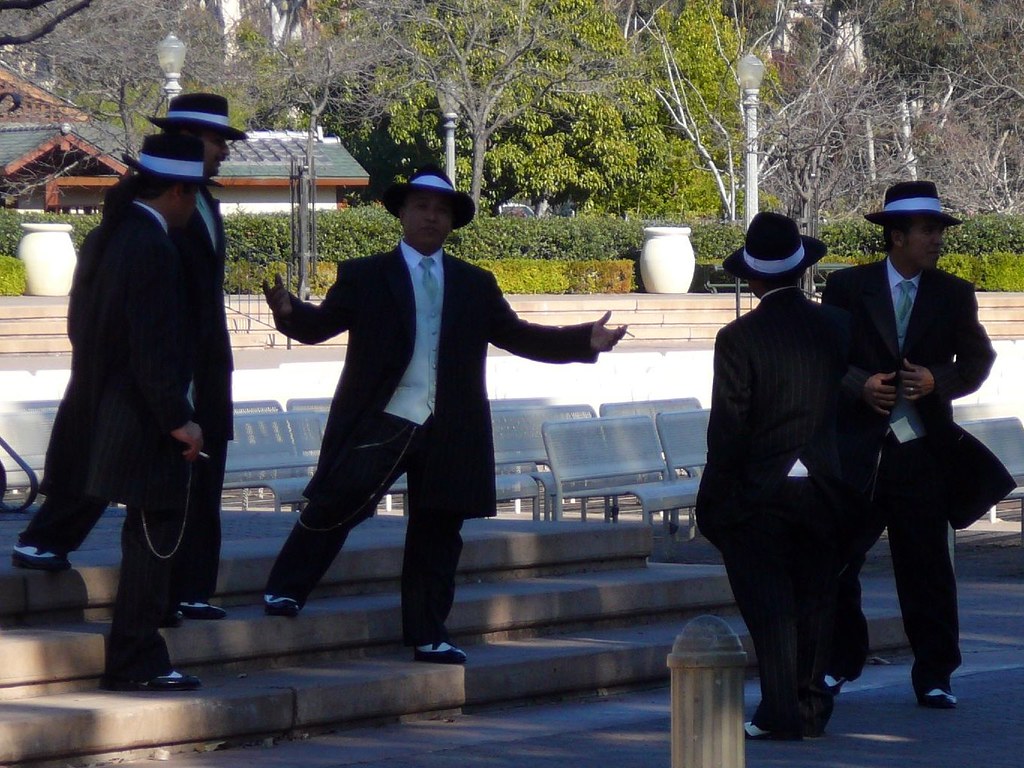
For five nights in June 1943, a piece of clothing was reason enough to be pulled off a streetcar and beaten in the street. The garment was the zoot suit, a style of loose, tapered trousers and long, padded-shoulder jackets that had migrated from Harlem to Los Angeles’s Mexican-American neighborhoods by the early 1940s. Between June 3 and June 8, groups of U.S. sailors, soldiers and Marines, sometimes joined by off-duty police and civilians, roamed downtown Los Angeles searching out young men in zoot suits, according to the National WWII Museum. They tore the suits off their targets in public and left them beaten on the pavement. No one died. Roughly 600 arrests followed, and police detained far more of the victims than the servicemen who attacked them.
A Suit That Broke Wartime Rationing Rules
The zoot suit was not a neutral fashion choice in 1943; it was arguably against the rules. The federal War Production Board had restricted the amount of wool and other textiles that could go into civilian clothing to conserve material for the war effort, and the exaggerated cut of a zoot suit, with its extra-long jacket and billowing trousers, openly flouted that limit, according to HISTORY. Suits meeting that description were technically banned from legal manufacture, which meant most were produced by bootleg tailors working outside the regulated garment trade. To servicemen and many civilians primed by wartime austerity messaging, a zoot suit read as a visible, deliberate waste of rationed cloth. To the young Mexican-American, Filipino-American and Black men who wore them, per HISTORY, the suit was closer to the opposite: a style of self-assertion, adapted from Harlem jazz culture, worn by a generation of pachucos who had been shut out of the wartime patriotism narrative built around military service and factory work.
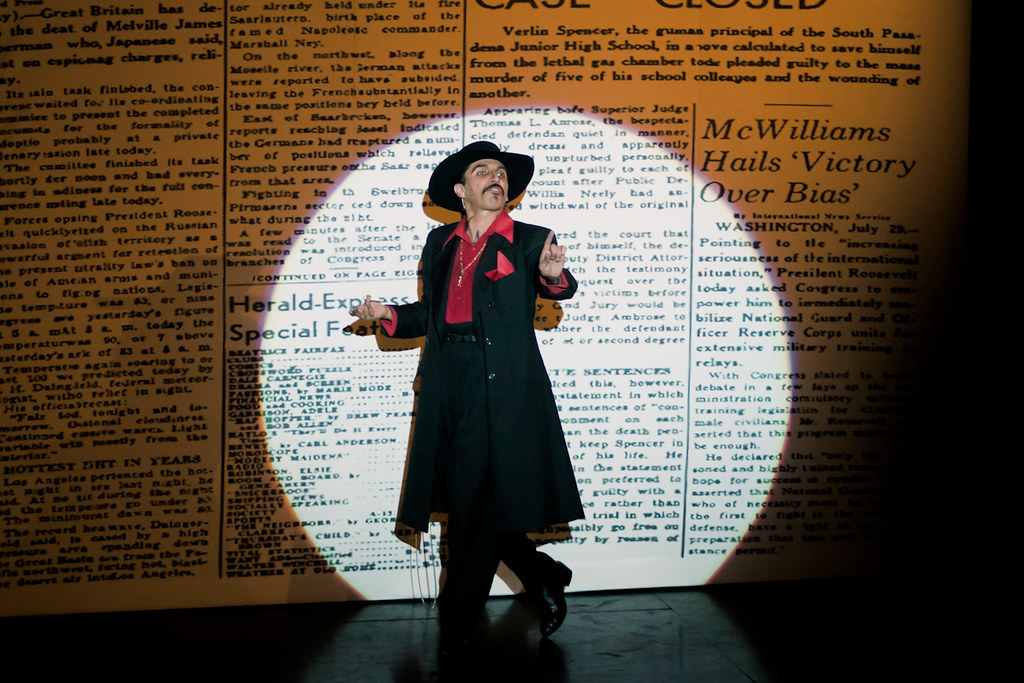
The Spark and the Five Days That Followed
The immediate trigger was a May 31 altercation in which a sailor, Joe Dacy Coleman, was injured in a scuffle with a group of Mexican-American youths, according to the National WWII Museum. On June 3, roughly 50 sailors formed an impromptu, self-organized patrol and marched through downtown Los Angeles attacking anyone wearing a zoot suit. By June 7, the violence had spread into Watts and East Los Angeles, and taxi drivers were reportedly offering servicemen free rides to the areas where the attacks were concentrated, per HISTORY’s reporting. Victims described being dragged from streetcars, movie theaters and diners. The riots weren’t isolated to the clothing itself; the 1942 Sleepy Lagoon murder case, which had triggered a wave of sensationalized press coverage blaming Mexican-American youth for a supposed citywide crime wave, had already primed public opinion against zoot-suit wearers well before the first punch was thrown in June 1943, according to the National WWII Museum. Wartime housing shortages and the friction of a rapidly growing, racially mixed city added further pressure, as tens of thousands of workers, many of them Black and Mexican-American families recruited for defense-industry jobs, competed for a housing stock that hadn’t grown to match the wartime population boom.
Los Angeles Bans the Suit, Not the Violence
Military commanders declared downtown Los Angeles off-limits to servicemembers on June 8, effectively ending the rioting by removing its participants from the streets, according to the National WWII Museum. The Los Angeles City Council responded on June 9 not by addressing the attacks but by passing an ordinance banning the wearing of zoot suits within city limits, per HISTORY. California Governor Earl Warren convened a citizens’ committee to investigate; its report concluded that “race prejudice” was central to what had happened, a striking admission from a wartime state government otherwise focused on unified home-front messaging. Similar clothing-triggered clashes broke out that same year in Philadelphia, Chicago, Detroit and several other cities, per HISTORY, suggesting Los Angeles wasn’t an isolated flashpoint but the most visible instance of a broader national strain between wartime conformity and the self-expression of communities the war economy had otherwise sidelined.
The riots didn’t end with an apology or a reckoning; they ended with an ordinance banning the clothes on the people who’d been attacked for wearing them. That imbalance, documented by the state’s own investigating commission, is the reason the zoot suit still gets taught as history and not just as an old photograph of a sharp suit.

Leave a Reply