

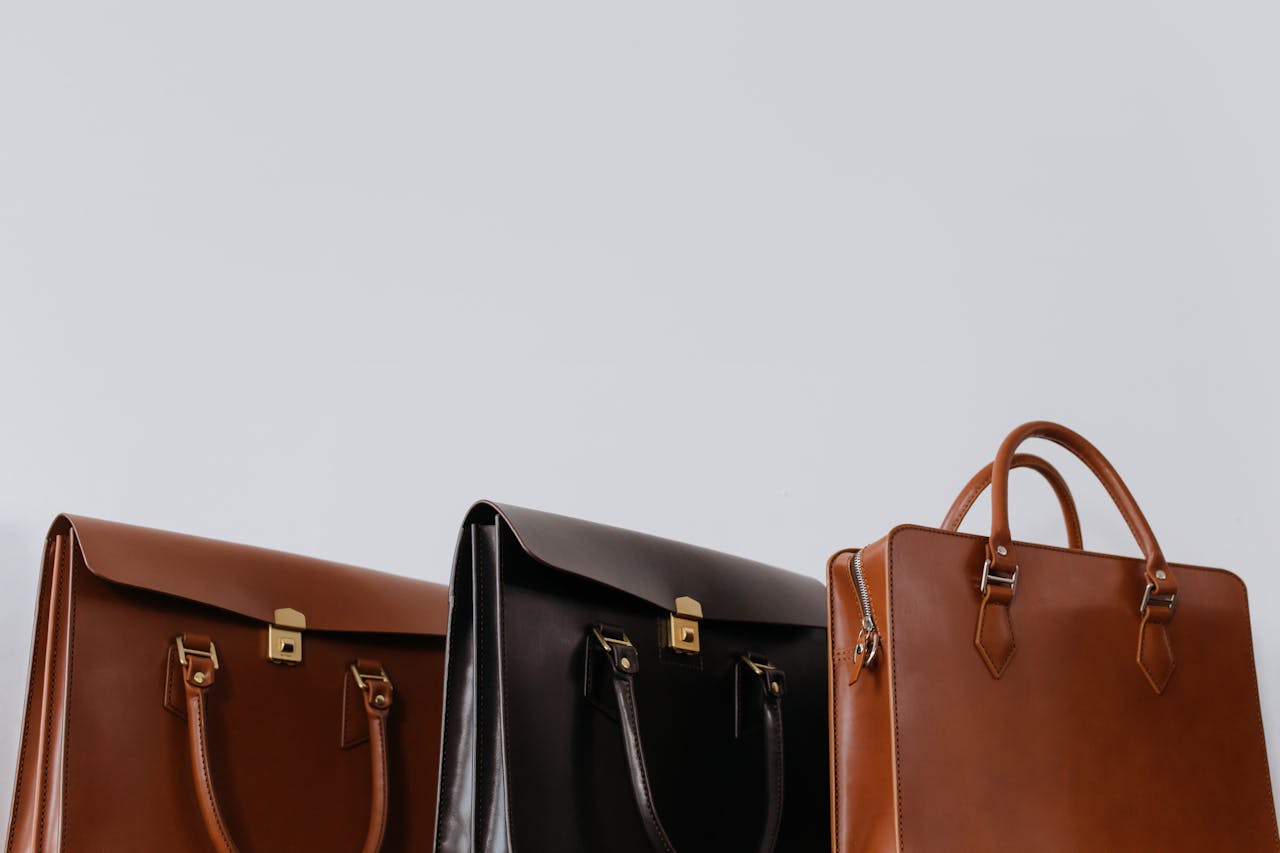
A vintage Coach handbag with the right decade stamped on its lining can now sell for more than ten times its original price. That’s not a rare fluke — resale marketplaces have spent the past two years re-pricing Coach’s plain, no-logo output from the 1960s through the 1990s, the era before the company became a mall staple known for a printed monogram. Those earlier bags were made on a smaller scale in New York, when leather and construction were the entire pitch. If a boxy shoulder bag or saddle bag with a round leather patch stitched inside the lining has been sitting in your closet for decades, it may be worth an actual appraisal before it lands in a donation pile.
The Patch Inside Is the Whole Story
Coach traces its roots to 1941, when it started as a small leather workshop in New York built around hands-on craftsmanship, a heritage Coach’s parent company, Tapestry, still points to on its own brand pages. Decades later, that same origin story is exactly what collectors are hunting for. Every authentic vintage bag has a small leather rectangle sewn inside called the creed patch, stamped with a serial number that works something like a birth certificate: it identifies which factory made the bag and roughly when, and its exact wording and placement shifted several times over the decades. That’s why collectors lean on it to tell a real 1970s piece from a knockoff or a later reissue, according to Goodwill’s own guide to vintage Coach authentication, which also flags thick, full-grain leather, solid brass hardware, and even stitching as the other giveaways of an original-era bag. Bags made before Coach started using the patch at all — so-called “pre-creed” pieces — are often considered the most desirable of the bunch, since they represent the company’s earliest, most hand-finished work.
Which Bags Are Actually Cashing In
Prices vary by style, color, and condition, but the pattern holds: older, simpler designs from Coach’s first three decades tend to bring in the most money. A 1972 Federal Bag, identifiable by a presidential-seal turnlock, has sold for roughly $2,750, and the mid-1970s Suspender Bag, built around a distinctive brass-ring strap, has come close to $2,000, according to AOL Finance’s rundown of valuable vintage Coach styles. The 1973 Hasp Bag, one of several pieces designed by Coach’s early creative lead, Bonnie Cashin, regularly sells for thousands of dollars, while Cashin’s own late-1960s Cashin Carry Shoulder Bag — sometimes called the original Coach bag — can bring close to $1,000 despite being one of the plainest designs the company ever made. Even Coach’s more recent “vintage,” like the 1997 Winnie Bag, has crossed four figures, while later workhorse styles such as the 1983 Station Bag and the 1990 Berkeley Backpack usually land in the low hundreds. The mid-1970s Crescent Saddle Bag, with its half-moon silhouette, and the 1997 Ergo Bag sit at the more affordable end of that range, which is part of the appeal for newer collectors — there’s an entry point at nearly every price, not just the four-figure showpieces.
Why the Rush Now
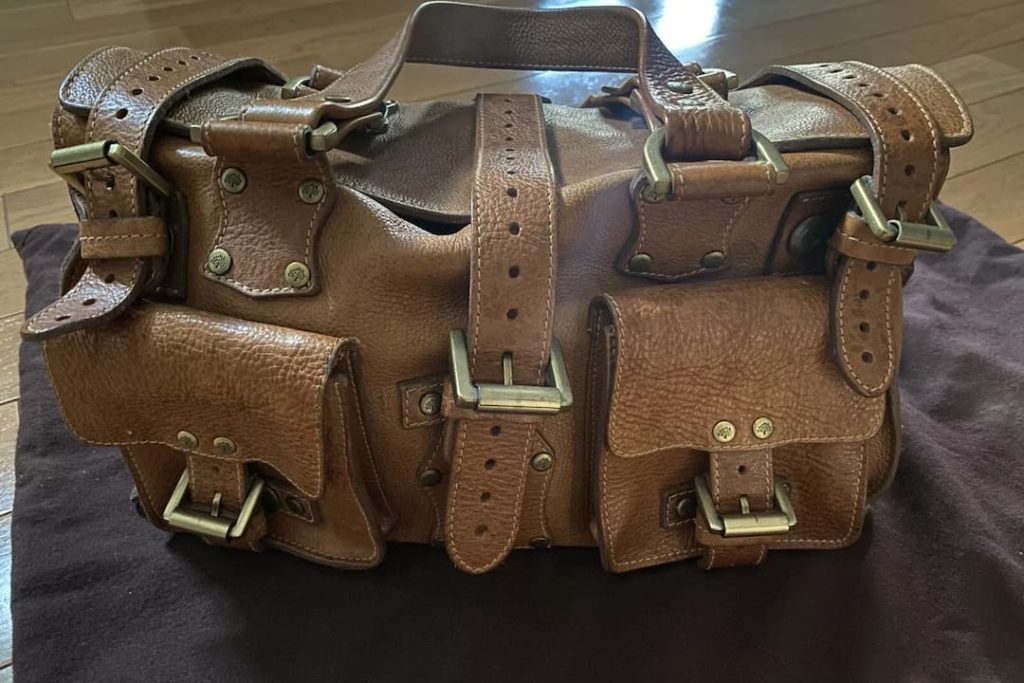
The renewed interest shows up in the numbers, not just in anecdotes. Searches for vintage Coach styles on eBay climbed 114 percent in 2024, per AOL Finance, and a chunk of that demand is coming from a generation that wasn’t around the first time these bags were new: one buying guide tracked a 20 percent jump in searches specifically for Coach’s curved “crescent” silhouette among Gen Z shoppers, according to Goodwill’s vintage Coach buying guide. Color plays into it too. Coach’s original runs included shades that are hard to find in leather goods now — bottle green, bone, rust, mustard — and pieces in those original colorways, along with pebbled leather or suede exteriors, tend to carry the biggest premiums, per the same guide. None of it requires digging through an estate sale, either. Some of the priciest finds are turning up on Goodwill’s own online auction site, sold by donors who had no idea what they were giving away.
The Pattern
It’s the same arc that’s already played out with vinyl records, raw denim, and heavy mid-century furniture: things built to be repaired rather than replaced were never actually disposable, they just had to wait long enough for the market to notice. A leather tanner in 1972 could have told you a well-made bag would outlast a trend. It just took fifty years, a resale app, and a generation of shoppers reading the fine print on a leather patch to prove it.

Leave a Reply