

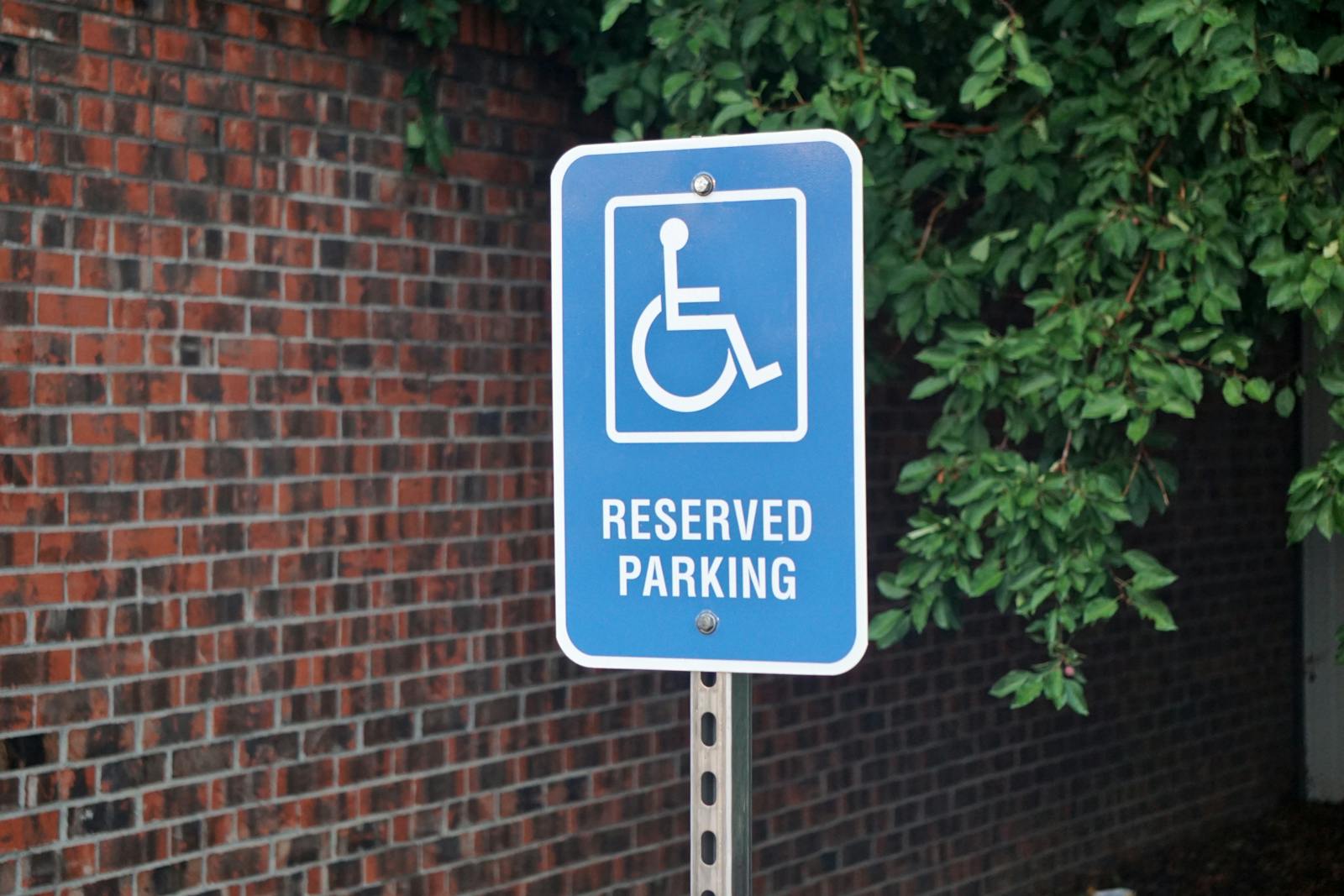
A woman’s creative retaliation against an inconsiderate driver has caught the attention of online communities, highlighting the challenges faced by those who need accessible parking. The incident began when she discovered a fancy vehicle parked in a way that obstructed her neighbor’s critical access to a handicap parking space.

Living in a residential area where only two handicap parking spots were available, the woman understood the necessity of equitable access to those spaces. She had a handicap plate herself, but she was aware that her elderly neighbor required the spot far more than she did. Instead of taking the second spot, the woman decided to take matters into her own hands when she saw the expensive vehicle parked carelessly, crossing the blue line and effectively blocking access.
What followed was a masterclass in passive-aggressive parking. The woman devised a plan to park her own minivan extremely close to the obstructing vehicle, leaving barely six inches of space between them. She even pushed in her passenger side mirror to maximize the proximity. With this maneuver, the owner of the expensive vehicle was left with no option but to crawl into their car through the passenger side.
Her neighbors, especially the elderly woman who often struggled with mobility, were amused by the clever bit of strategy. The woman’s actions not only addressed a pressing accessibility issue but also provided comic relief to those who shared her frustration. “It made her day!” the woman recounted, reveling in the light-hearted triumph against thoughtlessness.
Interestingly, the offending vehicle never returned to block the handicap space again during the following six months before the woman moved away. Her small act of rebellion seemed to have made an impact. As for any potential repercussions from the vehicle’s owner, she felt no fear. She had documented the license plate, ready to defend herself if anything escalated. She made it clear that mischief was not on her agenda; she simply wanted to protect the spaces meant for those who truly needed them.
The story resonates with people who have had similar experiences with drivers who disregard designated handicap spots. One person told her, “This is righteous anger expressed righteously.” Another reader remarked on the woman’s actions, labeling it as “Chaotic Good alignment,” suggesting that there’s something inherently just about her response.
Frustration over misuse of handicap parking is not uncommon. Many people have similar experiences, where they feel compelled to act against those who disregard the needs of others. Sharing their own anecdotes, readers chimed in with light-hearted stories of adjusting mirrors or parking in ways that made it difficult for inconsiderate drivers. One individual noted that they had often misaligned sideview mirrors of vehicles that occupied handicap spaces irresponsibly, celebrating those small victories without causing damage.
In many ways, this encounter speaks to a larger societal issue: the misuse of handicap spaces by those who do not need them. People with valid handicap plates rely on these designated areas for essential access, and when others fail to respect these spaces, it creates unnecessary hardships. The woman’s response was not just a personal victory; it underscored the communal frustration many feel when confronted with blatant disregard for accessibility needs.
While the woman’s clever parking became a point of laughter and bonding among her neighbors, it also illustrates a broader sentiment. Those who need wheelchair access or have mobility challenges often face real challenges when these spaces are occupied by those who do not require them. The social contract of shared community spaces can break down when individuals choose to prioritize convenience over consideration for others.
As her story gained traction online, it became a rallying point for those frustrated by similar difficulties. The woman’s actions, while cheeky and inventive, reflect a genuine desire for equitable treatment in public spaces. Yet, despite the laughter and support, the challenges of advocating for accessibility remain ever-present.
Ultimately, her decision to park in that manner was a light-hearted yet firm response to what she perceived as entitlement. While she found camaraderie with her neighbors, the broader question remains about how to effectively address the misuse of handicap parking without resorting to petty retaliation.
More from Vinyl and Velvet:

Leave a Reply