

Some time capsules come in a box in the attic. This one came on old video. @maddiesvintagee came across footage of herself from 1986 and shared it with a caption that says it all: “Found footage of me in 1986!!!! Oh the hair rollers + Madonna days.” The short clip has no narration, just music, and it does not need any. One look at the rollers and the style and anyone who lived through the decade is right back in it.
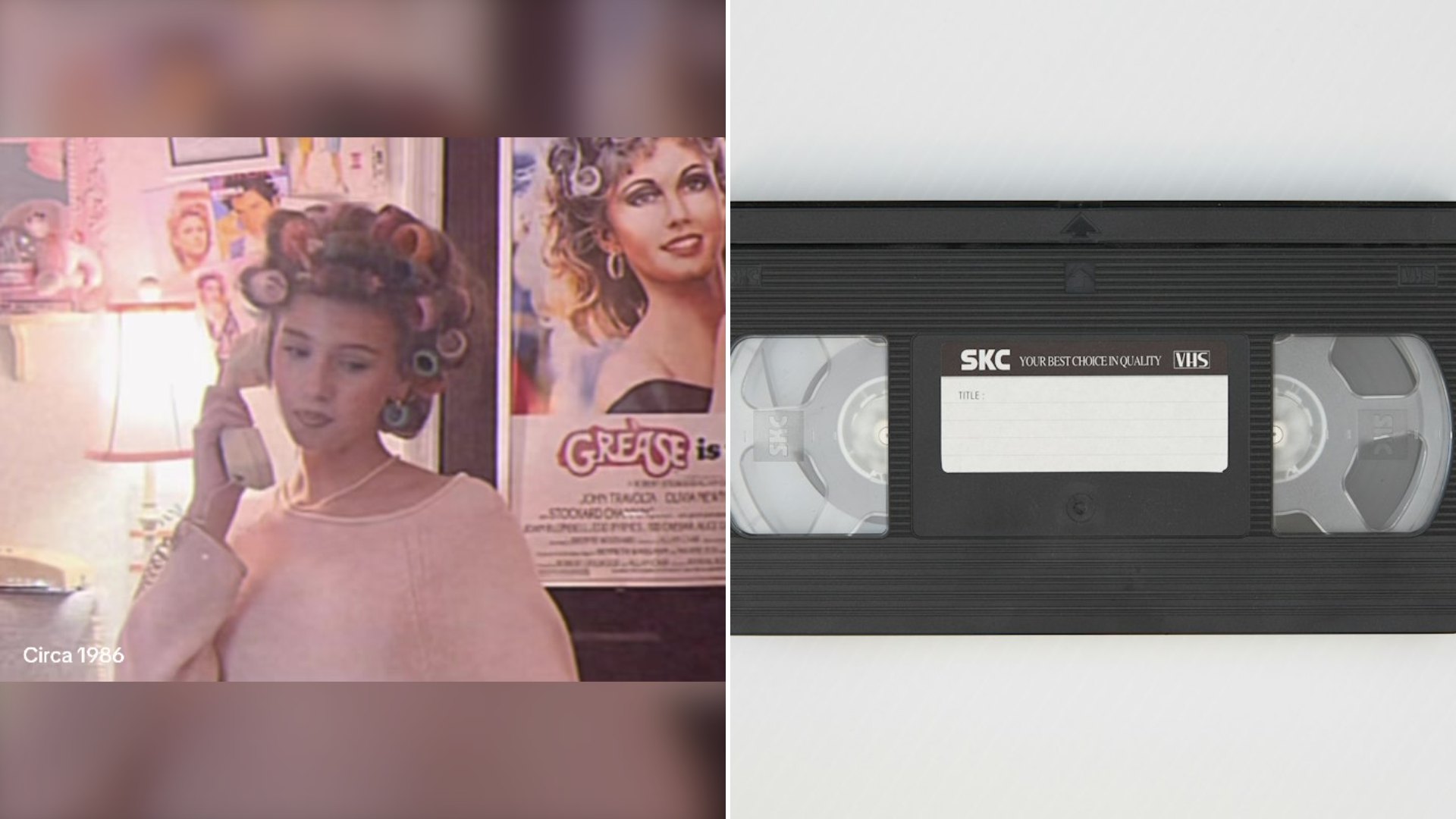
She tagged the post with nods to 80s music, hair and nostalgia, and that is exactly the mix the footage delivers. It is the kind of everyday moment nobody thought twice about filming back then, which is precisely why it feels so precious now. Home video in the mid-80s was still a bit of a novelty in many households, and families tended to point the camcorder at birthdays, holidays and whoever happened to be getting ready in the bathroom mirror.
For a lot of women, that bathroom mirror routine involved rollers. Heated rollers had been a staple of home beauty routines for years by then, and in the 80s they did the heavy lifting behind the big, bouncy volume everyone was chasing. Set the rollers, wait, brush it out, tease the crown, then finish with enough hairspray to hold it through a windstorm.
Why the Madonna Era Still Hits Home
Her caption calls it “the Madonna days,” and anyone who was there knows what that means. By 1986, Madonna had already released “Like a Virgin” and starred in “Desperately Seeking Susan,” and her look was everywhere. Teased hair tied up with lace bows or scarves, stacks of rubber bracelets, lace gloves, layered necklaces, bold eyeliner and bright lipstick were showing up in school hallways and shopping malls across the country.
That summer she released “True Blue,” and her image shifted again toward a cropped, platinum, more polished look. Fans followed every change, which is part of why the era feels so vivid in memory. Fashion moved fast, and a single home video can pinpoint the exact moment you were living in.
Clips like this one strike a chord because they are not posed portraits. They capture how people actually looked and moved on an ordinary day, rollers and all. For many, seeing them brings back the smell of the hairspray, the sound of a favorite cassette and the people who were standing just off camera.
@maddiesvintagee
How to Save Your Own Old Home Videos
If you have a shoebox of tapes sitting in a closet, this is your nudge to do something about them before they are lost. Magnetic videotape was never designed to last forever. Over time it can become brittle, grow mold in damp storage or lose picture quality, and the machines that play these formats keep getting harder to find.
Sort what you have. Most family footage from the 80s and 90s sits on full-size VHS tapes, the smaller VHS-C cassettes that fit an adapter, or 8mm and Hi8 tapes from compact camcorders. Label each one with what you know about the dates and events, even if it is just a best guess.
Inspect before you press play. Look through the little window on each cassette. White fuzzy spots or a powdery film can mean mold, and playing a moldy tape can damage both the tape and your machine. Set those aside for a professional who can clean them first.
Check your local library. A growing number of public libraries offer free digitizing stations where you can convert tapes, slides and photos yourself. Call ahead, since you may need to book a time slot.
Use a reputable service. Many pharmacies, big-box stores and local camera shops send tapes out for conversion. Ask whether your originals are shipped to another facility, how they are tracked and whether you get them back. For irreplaceable footage, a local business where you can hand over and pick up tapes in person may give you more peace of mind.
Try it yourself. If you still have a working VCR or camcorder, an inexpensive USB video capture device can connect it to a computer. It takes patience, because the tape plays in real time, but it costs far less for a large collection.
Keep the Memories Safe Once They Are Digital
Once your videos are converted, store the files in at least two places, such as an external hard drive and a cloud storage account. Give the files clear names with the year and the event so younger family members can find them later.
Hang on to the original tapes, too. Store them upright like books, in a cool, dry closet away from attics, basements, direct sunlight and anything magnetic, such as speakers.
While the footage is fresh, write down the story behind it. Who is in the room, whose house it was, what song was playing and what year it really was. Those details live in your memory, not on the tape, and they are what turn an old clip into a family history.
Then share them. Send a clip to a sibling, play one at the next family gathering, or ask the grandkids to help you post a favorite. As this short video proves, the moments that seemed too ordinary to matter are often the ones everybody wants to see again decades later.
More From Vinyl and Velvet
- Ten More Weird Defunct Candy Bars That Nobody Remembers Prove Your Childhood Snacks Are Gone for Good
- If You Were Born In 1986 You Are Now 40 And Remember The GE Alarm Clock Kmart Popcorn And Subs And The Wacky Wall Walker Crawling Down The Paneling
- 80s Kids Remember Government Cheese In Five Pound Blocks Garden Hose Water That Tasted Like Metal And Candy Sticks Dipped In Flavored Powder

Leave a Reply