

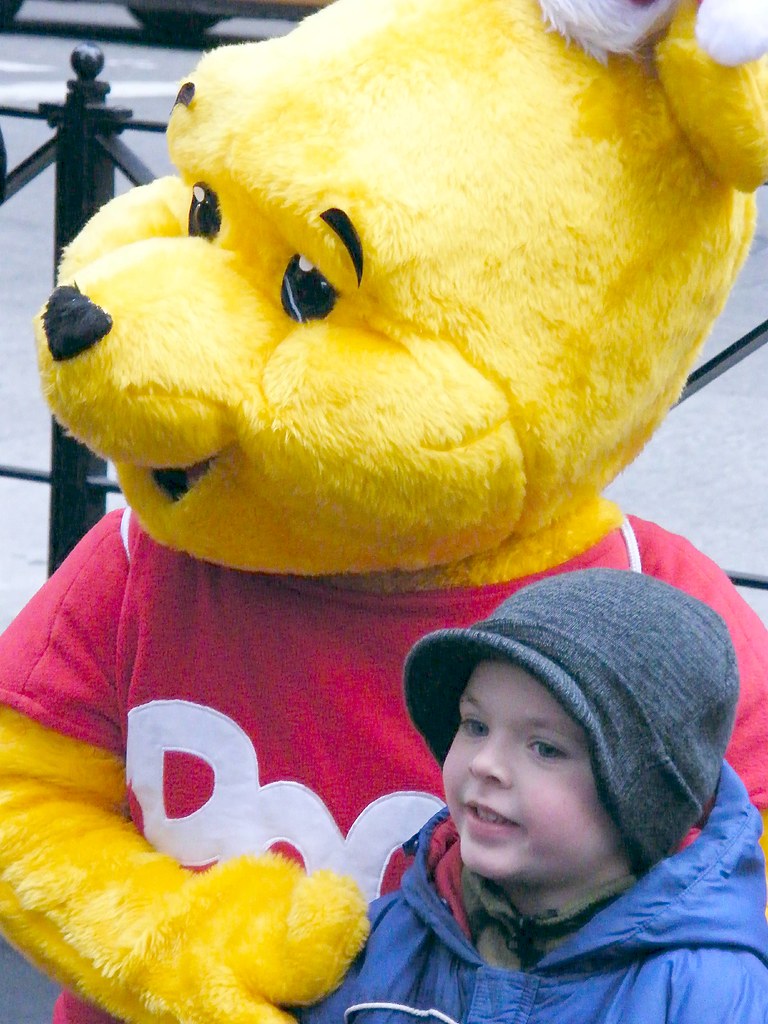
Winnie the Pooh turns 100 this year, and the world’s most famous bear started out as a very real, very specific animal purchased for $20 from a hunter in Ontario. Canadian army veterinarian Harry Colebourn bought the orphaned cub in August 1914 and named her Winnie, after his hometown of Winnipeg. She became his regiment’s mascot, crossed the Atlantic with him, and ended up spending the rest of her life somewhere neither of them planned: a zoo enclosure in London, where a small boy named Christopher Robin Milne visited her constantly.
A Cavalry Mascot Who Slept Under a Cot
Winnie traveled with the Fort Garry Horse cavalry regiment as part of the Canadian Expeditionary Force, and according to HISTORY, she settled into military life almost immediately. During training at a Canadian army camp, she reportedly slept under Colebourn’s cot and followed him around “like a puppy,” trained with rewards of apples and a mixture of condensed milk and corn syrup. Soldiers posed for photographs with her, and by the time the regiment shipped out for England aboard the S.S. Manitou in October 1914, Winnie was as much a member of the unit as any recruit.
A Soldier, a Cub, and a War That Got in the Way
Colebourn couldn’t keep Winnie once his unit deployed to France, so on Dec. 9, 1914, he left her at the London Zoo, planning to reclaim her once the war ended, according to the Zoological Society of London. He never did. By 1919, with the fighting over and Winnie thoroughly settled into zoo life, he donated her permanently, grateful for how well she had been cared for in his absence. A zookeeper at the time called her, per HISTORY, “quite the tamest and best behaved bear we have ever had at the zoo.”
The Boy Who Renamed His Own Teddy Bear
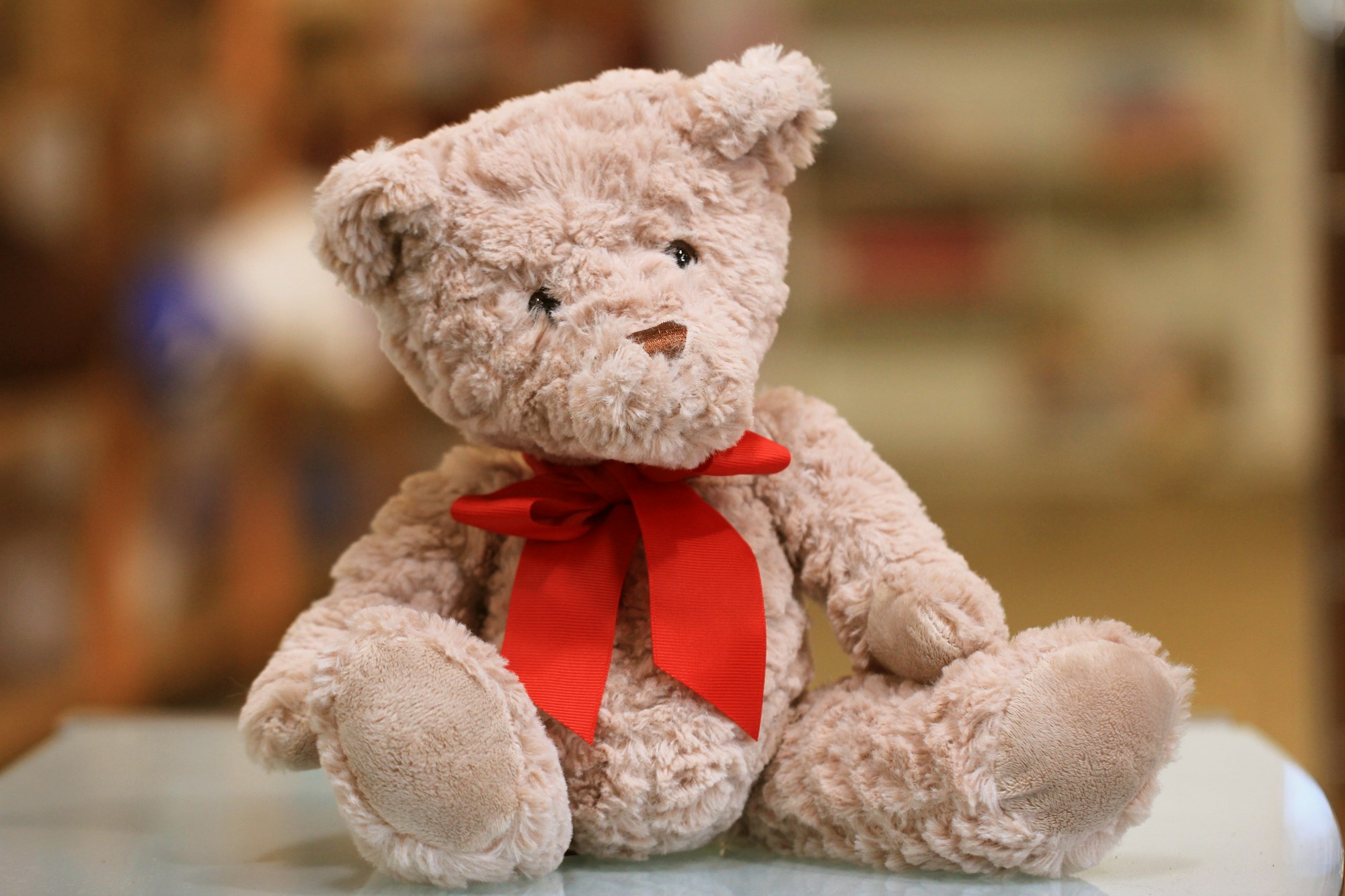
Winnie lived at the zoo’s Mappin Terraces, popular enough with visitors that children were allowed into her enclosure to ride on her back and feed her by hand, a level of access that would be unthinkable at a modern zoo. Christopher Robin Milne was one of those regular visitors, and he loved her enough to rename his own stuffed bear, previously called Edward, after her. He tacked on “Pooh,” borrowed from a swan he had met on a family holiday, and the combined name stuck to both the toy and, eventually, an entire fictional forest.
A Father Takes Notes
A.A. Milne watched his son play with that renamed bear and the rest of his stuffed-animal collection for years before he turned any of it into fiction. He published a book of poems first, When We Were Very Young, in 1924, followed by Winnie-the-Pooh itself on Oct. 14, 1926, and a sequel, The House at Pooh Corner, in 1928, all built largely around Christopher Robin’s real toys and their real names: Piglet, Eeyore, Kanga, and the rest. The real Winnie died in 1934 at the London Zoo, 20 years old, and her death made headlines around the world.
A Legacy That Outlasted the Bear Herself
Winnie’s fame didn’t end with her death in 1934. According to HISTORY, her skull was later preserved and put on display at the Royal College of Surgeons in London, a small, slightly unusual footnote to a story that otherwise reads like a children’s book on its own. The books she inspired kept selling long after both the bear and the family who inspired the fictional Hundred Acre Wood had moved on with their own lives, eventually growing into a global publishing and media franchise that Milne himself likely never could have predicted from a single afternoon at the zoo.
A century on, the detail that tends to get lost is how ordinary the whole chain of events actually was. One veterinarian bought a cub on a whim, a boy happened to visit that same zoo enclosure often enough to fall for her, and his father happened to be paying attention when it mattered. None of it was engineered to produce a character eventually translated into more than 50 languages, which might be exactly why it worked. A hundred years of Pooh Bear started with one small, specific kindness, a soldier who couldn’t bring himself to leave an orphaned cub behind at a train station in rural Ontario.

Leave a Reply