


A Reddit user recently shared an unsettling experience from a birthday dinner that left her questioning her self-worth. The story revolves around a young woman, 20, who was out celebrating her friend’s birthday with a small group when an unexpected interaction with their waiter took a surprising turn.
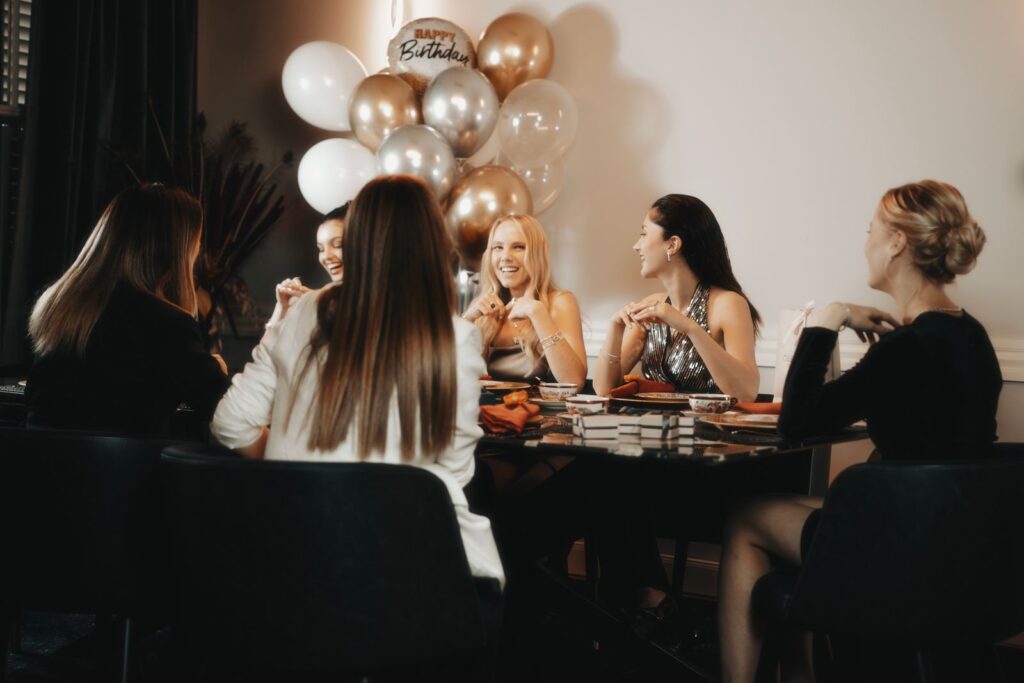
While enjoying their dinner, the group of friends joked about the waiter’s frequent attention, specifically teasing about how he seemed to be captivated by the birthday girl, referred to as Friend B. The atmosphere was light-hearted, filled with laughter and camaraderie, until Friend A, another member of the group, decided to directly engage with the waiter. She playfully informed him that the table found him attractive, causing him to blush and hurriedly attend to their needs.
Fast forward a few months, the young woman opened her direct messages on Instagram to find a surprising message from the waiter. He had tracked down her social media profile and asked for her friend’s number, signaling a distinct disinterest in her and reinforcing feelings of inadequacy. Despite having come to terms with her own appearance and recognizing her value beyond looks, this incident struck a nerve.
The young woman described herself as not conventionally attractive. She is aware of her size and her aesthetic preferences, having worked hard to develop confidence in who she is. Despite feeling comfortable in her own skin, the waiter’s approach forced her to confront insecurities she believed she’d put behind her. It brought back old wounds tied to the idea of being the “fat friend” in a group, often feeling overshadowed by her more traditionally attractive companions.
She articulated her pain, expressing that this experience felt particularly harsh because it was a reminder of how society often values looks over character. The casual manner in which the waiter sought to obtain Friend A’s number from her only deepened her feelings of being a mere stepping stone for her friends in the realm of attraction and relationships.
The young woman was not jealous of her friend’s newfound attention, but rather hurt by the notion that she existed primarily to make others feel good about themselves. She shared, “It makes me feel horrible that I am so upset about a random waiter liking my friend.” This statement resonated deeply, reflecting a common sentiment among many who struggle with self-image in social settings.
Another reader responded with empathy, suggesting that it’s natural to feel upset when our self-esteem is challenged, especially in situations that remind us of societal standards. They pointed out how tough it is when the perception of beauty seems to overshadow other qualities people bring to relationships. It’s a battle many individuals face, particularly in a culture that often emphasizes physical appearance.
While the young woman has made significant strides in cultivating her self-worth, this encounter has made her question whether she will ever find love or be seen for her true self. It’s a sentiment that many can relate to, where the external validation of beauty can overshadow personal accomplishments and kindness.
Another reader emphasized that everyone has their unique struggles, and just because the waiter preferred her friend does not diminish her worth. They reminded her that love comes in many forms and that connection can be forged in countless ways beyond the superficial.
Despite the supportive voices online, the young woman is left grappling with her emotions. She is aware that individual value should not be tied to physical attributes, yet the waiter’s blatant disregard for her feelings and request for her friend’s number made her feel invisible.
The experience has left her with lingering doubts about her desirability and place in social scenarios, particularly when it involves dating and romantic interests. She wonders if others feel as isolated in similar circumstances, leading her to a deeper reflection on friendships and the dynamics of attractiveness.
This incident serves as a reminder of the complex emotions surrounding self-image and social interactions, particularly among young adults navigating relationships and personal acceptance. While she has expressed her hurt and frustration, the young woman remains uncertain about how to process these feelings and whether to confront them head-on or to let them fade.
More from Vinyl and Velvet:

Leave a Reply