

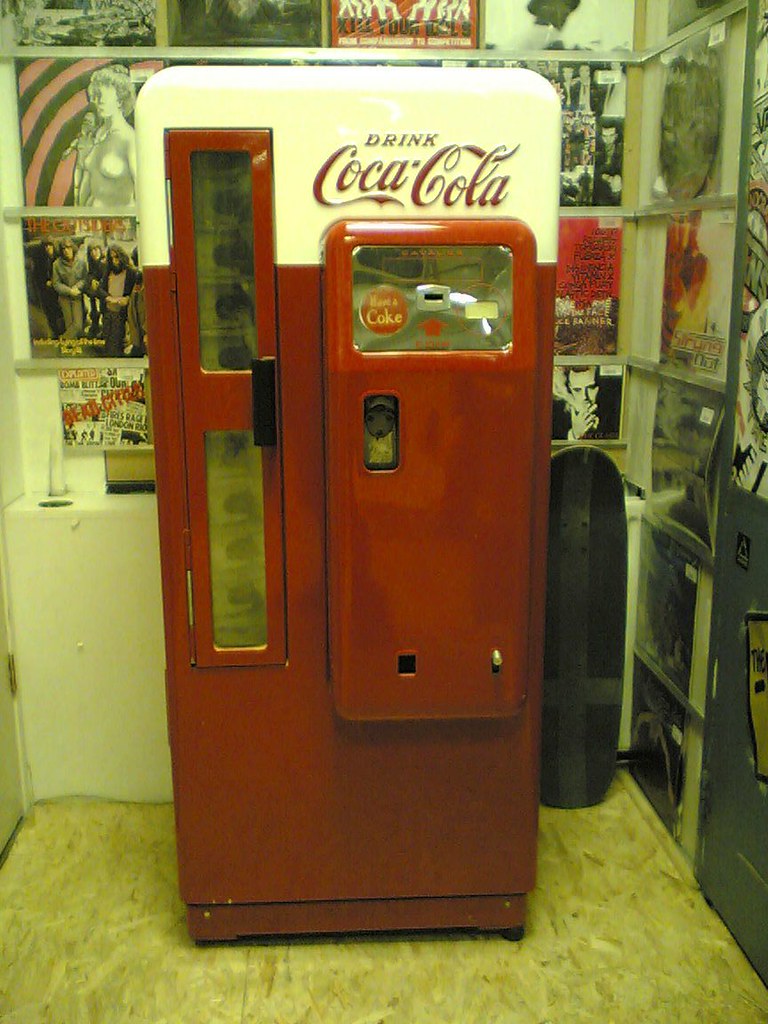
Search the price archives at LiveAuctioneers for Coca-Cola and the counter climbs past 120,000 documented auction results, a running ledger of what collectors have actually paid, in real auction houses, for everything from porcelain door pushes to hand-painted serving trays. That is not hype. That is a paper trail more than a century deep.
The story of how a soft drink sign became a five-figure line item starts, fittingly, with the drink itself. Coca-Cola was first served at Jacobs’ Pharmacy in Atlanta on May 8, 1886, according to the Library of Congress, the invention of pharmacist John Pemberton, who had been tinkering with tonics before local prohibition laws pushed him toward a non-alcoholic formula. What made the brand different almost immediately was how aggressively it advertised itself. Coca-Cola started handing out branded coupons, calendars, and serving trays to pharmacies and soda fountains within its first years on the market, decades before “brand marketing” was a phrase anyone used.
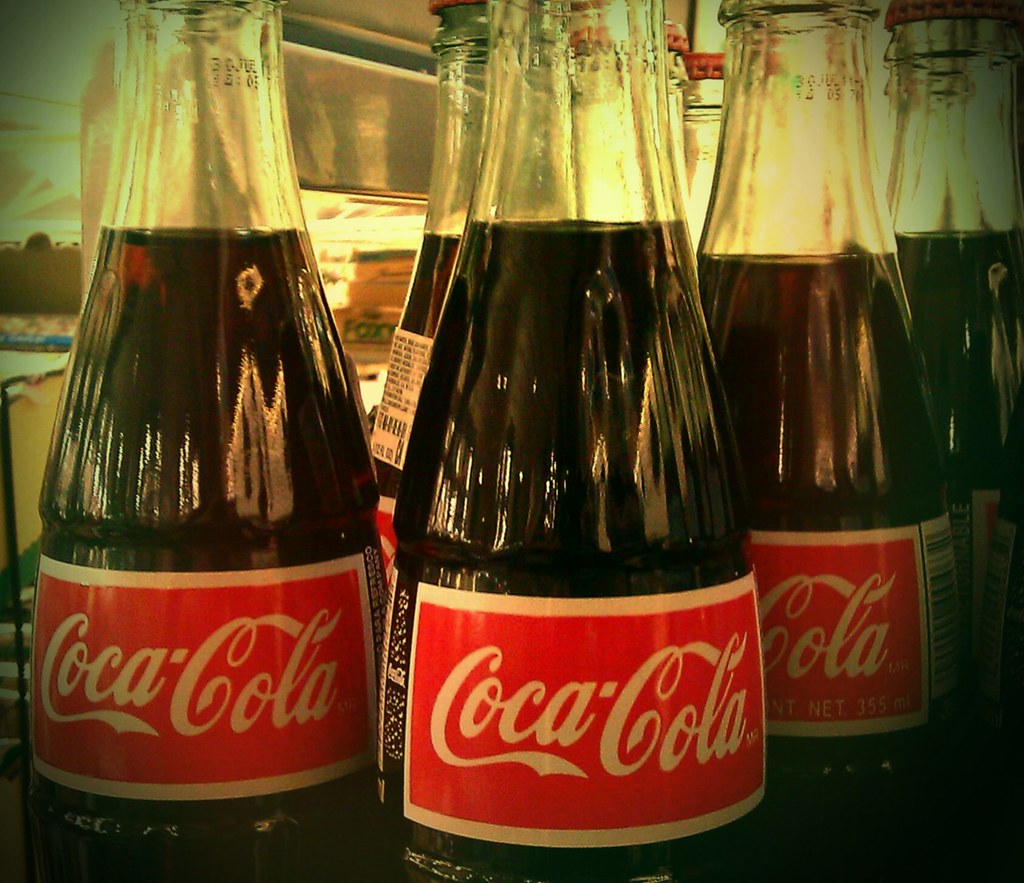
Those early giveaways are exactly what serious collectors now chase. According to Antique Trader, the market’s real high end lives in pre-1900 through 1960s material: porcelain signs, tin advertisements, calendars, and trays produced when Coca-Cola was still establishing itself as a national brand rather than a global one. The eye-popping numbers back that up. A rare 1893 Coca-Cola marble soda fountain, tied to a Chicago World’s Fair display, sold for $4.5 million in 2013. A 1949 Sprite Boy advertisement painted in oil went for $11,250 through Heritage Auctions. Even a comparatively modest 1936 triangle-shaped metal sign brought $3,000 at auction in 2018.
What’s notable is how organized this hobby became, and how early. Collectors were already trading and cataloging Coca-Cola memorabilia by the early 1970s, when writer Jim Cope published one of the first dedicated guides to soda advertising and Cecil Munsey followed a year later with “The Illustrated Guide to the Collectibles of Coca-Cola.” Allan Petretti’s price guide, first released in 1974, eventually ran through 12 editions and became something close to a bible for the category. Collectors themselves formalized things further in 1975, forming a club that would later become the Coca-Cola Collectors Club International, a group that still holds conventions and swap meets today.
That kind of institutional backbone is unusual for advertising memorabilia. Most soda, cigarette, and gasoline brands from the same era have collector followings too, but few have generated the sheer documented volume Coca-Cola has, and fewer still have a price-tracking apparatus this granular. A hundred and twenty thousand logged results doesn’t just mean a lot of people bought a lot of signs. It means there’s enough transaction history to spot real patterns: which years are scarce, which reproductions flood the market, which regional variants command a premium because a particular bottler only ran a design for a season or two.
Not everything in the category has held its value, and that’s worth saying plainly. Common trays and calendars from the mid-20th century, the kind that turn up at nearly every estate sale, have actually softened in price over the past couple of decades as the internet made supply visible all at once. A 1942 tray that might have fetched $450 at a specialty show in the 1990s can go for closer to $150 today, even in excellent condition, simply because buyers can now see how many exist. The rarest pieces, the ones tied to a specific short-lived campaign or a pre-Depression printing, are a different story entirely, and that gap between common and rare has only widened.
None of this is a closed hobby reserved for deep-pocketed collectors, either. Scroll through those same 120,000-plus LiveAuctioneers results and the bulk of them aren’t headline-grabbing five and six-figure pieces. They’re ordinary tin signs, bottle openers, and lunch trays that sell for the price of a nice dinner out, logged right alongside the record-setters because the same auction infrastructure tracks all of it. That’s part of why the category has stayed so stable for so long. A newcomer can start a collection for under a hundred dollars and still be participating in the exact same documented marketplace as someone bidding on a Sprite Boy oil painting.
What keeps the category alive isn’t nostalgia alone, though there’s plenty of that for anyone who remembers a red-and-white sign hanging in a grandparent’s garage or a small-town diner. It’s the fact that Coca-Cola treated advertising as a product in its own right from nearly the very beginning, which means there’s a century and a half of physical history to dig through. Somewhere between a dusty barn find and a museum-caliber Chicago World’s Fair fountain, there’s a version of this hobby for just about any budget, and the documentation to prove exactly what it’s worth.

Leave a Reply