

A 25-year-old woman has opened up online about her challenging relationship with her mother, revealing years of emotional abuse that has left her grappling with resentment. She shared her story on social media, describing how her childhood experiences have shaped her views on parenting and family dynamics.
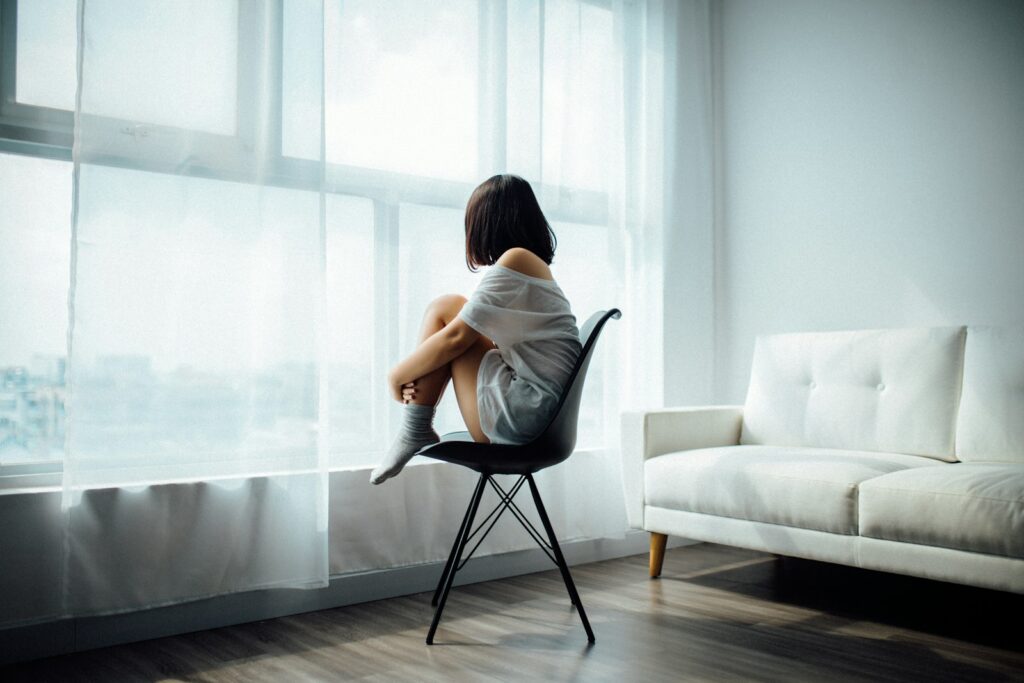
The woman, whose handle is u/challahaturgurl, said her mother often vented her frustrations on her, labeling her as “worthless” and “useless.” This emotional abuse wasn’t just verbal; the woman recounted instances where her mother physically shoved her or pulled her hair. These events, she claims, were part of a larger pattern of behavior that included belittling her for academic setbacks and making her a pawn in parental conflicts.
In her post, she detailed how her mother would call other family members to humiliate her during times of distress. Even in moments that should have been supportive, her mother turned to insults. This behavior left the woman with a dark legacy: a painful relationship with food that contributed to an eating disorder during her high school years.
Reflecting on her childhood, the woman painted a picture of a home environment filled with emotional instability. She often found herself in the middle of fights between her parents, carrying messages back and forth and absorbing all the family drama. Instead of a nurturing connection, her relationship with her mother became toxic, with the woman taking on a role akin to a therapist for her mother’s emotional struggles.
Things began to improve once she moved away for college. Distance gave her the chance to redefine her relationship with her family. She expressed a desire for a loving and healthy connection, which she believes is vital as she considers starting a family of her own. However, past traumas have left her hesitant about how her parents would fit into her future.
In an attempt to confront her mother about the lasting effects of her childhood, the woman decided to voice her feelings during a recent conversation. Unfortunately, she was met with defensiveness. Her mother’s response—that she could only criticize her parenting once she had raised a disabled child herself—has only deepened the rift between them.
This reaction has compounded the resentment the woman feels toward her mother. She is now questioning not only her own experiences but also her father’s complicity. She has expressed disappointment over his passivity during her upbringing, feeling that he should have intervened when she faced abuse from her mother. As she contemplates her own future as a parent, she fears that the emotional scars from her childhood will prevent her from allowing her parents to be involved with her own children.
In the aftermath of this confrontation, the woman is seeking therapy again. She recognizes that carrying her unresolved feelings is unhealthy and that she needs support in order to move forward. The desire for family therapy looms in her mind, but her mother’s rejection of that idea weighs heavily on her.
One reader pointed out that emotionally abusive patterns can be hard to break, especially when family dynamics are so deeply rooted. Another commenter noted that it’s important for her to prioritize her own mental health above trying to mend a broken relationship. As the woman reflects on her past, she finds herself torn between wanting to heal the family bond and protecting future generations from similar experiences.
As she navigates her feelings of resentment, the woman remains uncertain about how to approach her parents moving forward. With her father unwilling to stand up for her and her mother rejecting accountability, the future of their relationship hangs in the balance. The need for healing is evident, but the path to it is uncertain.
More from Vinyl and Velvet:

Leave a Reply