

On a recent Sunday evening, a dog owner stepped outside for a routine walk only to discover an injured starling. The bird lay on the ground, covered in mud and struggling to stand. The sight was distressing, prompting the dog owner to intervene.
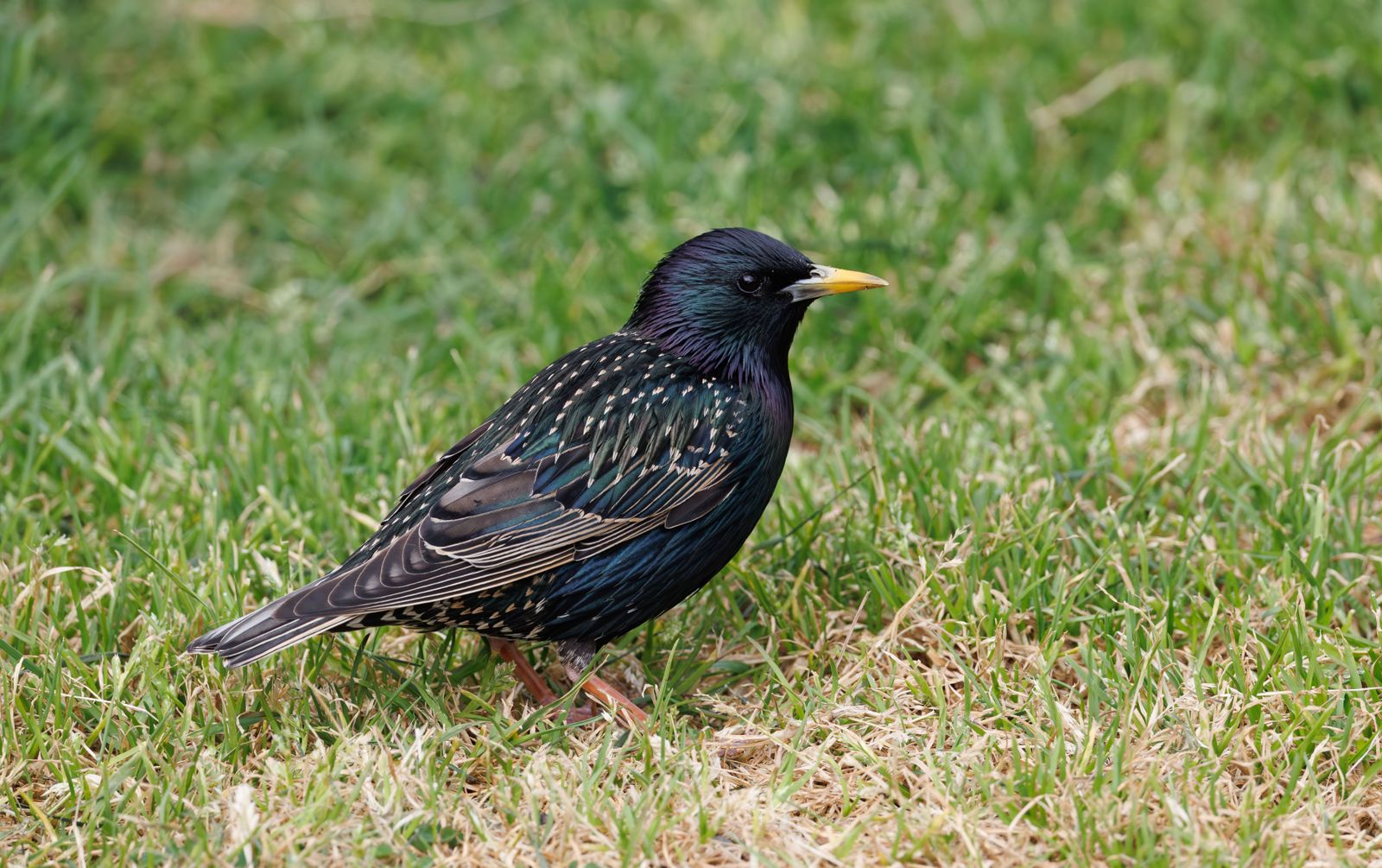
Initially, the owner attempted to help the starling by giving it water and cleaning its dirty feathers. However, as the hours passed, it became clear that the bird was not recovering. Deciding to take the starling home seemed like the right choice at the time, despite already having a dog and other pets. The intent was never to keep the bird as a pet but to nurse it back to health before releasing it back into the wild.
After bringing the starling home, the owner quickly reached out to friends for advice. Only one friend had experience with birds, but their pet parrot had never faced any health issues, leaving the owner feeling somewhat isolated in this situation. With limited resources, the owner sought help from a local veterinarian, but the only available vet lacked experience with birds.
The vet made some calls, providing a few recommendations and prescriptions for the starling’s care. However, despite the supposed guidance, the owner felt overwhelmed and confused. They realized they were doing many things wrong, such as handling the bird too much and trying to force it to drink water. Although there seemed to be minor improvements, like reduced swelling around the bird’s eyes, it was evident the starling was not eating and struggled to vocalize.
Tragedy struck later that evening when the starling passed away. Finding the bird lying flat and lifeless was heart-wrenching. The owner remarked on how the bird had failed to sit up, a sign of its deteriorating condition. The immense guilt settled in, weighing heavily on their conscience as thoughts circled around the decision to take the starling away from its natural habitat.
The owner couldn’t shake the image of the bird’s last moments. They began to think about how frightened and anxious the starling must have felt in an unfamiliar environment, surrounded by strangers. This realization intensified the guilt; what was meant to be an act of kindness had resulted in a tragic end. Each attempt to clean up the starling’s setup or cancel medication orders acted as a painful reminder of what had transpired.
In the aftermath of this experience, the owner voiced their anguish on Reddit, seeking solace from fellow users. Many empathized with their struggle, understanding the complexities of wanting to help a creature in distress while facing the harsh reality of nature and survival. One person told them, “Sometimes, the best thing you can do for wildlife is to leave them in their own environment.”
Another reader mentioned that taking in wildlife often leads to unintended consequences, highlighting the importance of understanding when to intervene and when to let nature take its course. These reactions pointed to a broader discussion about wildlife rehabilitation and the challenges faced by those who endeavor to assist injured animals.
The starling’s death stirred up questions about the owner’s actions. Was bringing the bird home truly the right choice? Could the outcome have been different if the owner had left it in its habitat or sought more experienced help? The emotional toll of the situation served as a harsh lesson, but the owner found themselves stuck in a loop of questioning, trying to make sense of the outcome.
As they processed the event, they continued to reflect on their actions and the lessons learned. The desire to help collided with the stark reality of the situation, leaving the dog owner with unresolved feelings of guilt and sorrow. They recognized the complexities of caring for wild animals and weighed the consequences of their good intentions.
This heart-wrenching experience left them at a crossroads. They could learn from this pain or let it consume them in regret. The difficult choice of whether to intervene again in a similar situation lingered in their thoughts as they navigated their emotions.
More from Vinyl and Velvet:

Leave a Reply