

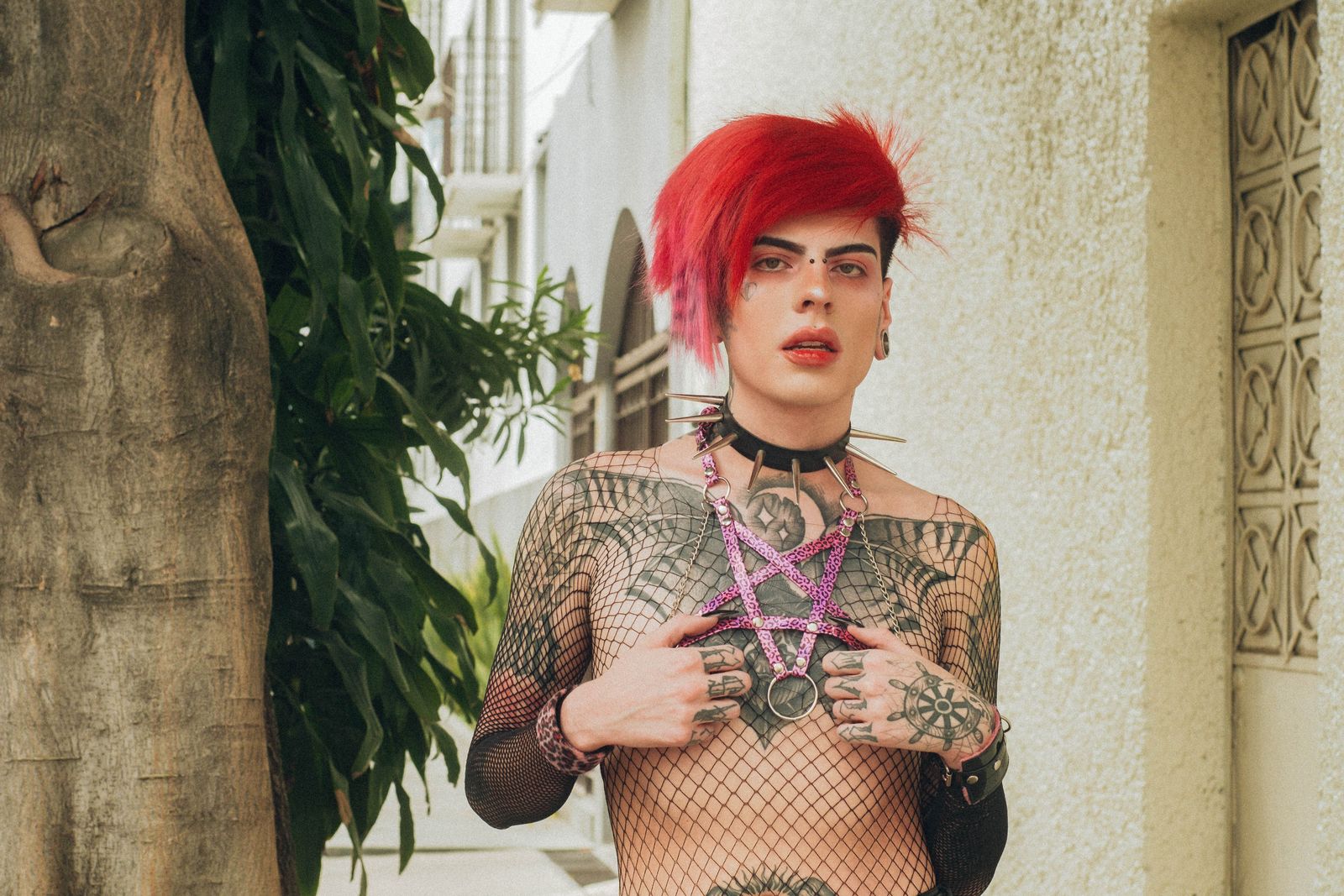
A trans man shared his experience of navigating a fraught relationship with his fiancée’s family, who openly rejected him on the grounds of his gender identity. In a recent post on Reddit, he detailed escalating tensions and the eventual fallout from their upcoming wedding plans, revealing a painful narrative that reflects ongoing struggles for acceptance within families.

The 29-year-old man, who has been living as a trans man for several years, had been dating his cisgender girlfriend for some time. While he felt comfortable presenting as male in most circles, his fiancée’s family had discovered his trans identity through social media, leading to uncomfortable and hurtful interactions. He described how her mother had referred to him with derogatory terms, labelling him a “he/she,” while her father crossed boundaries by inquiring about the couple’s sexual life.
These encounters culminated in an incident where his fiancée’s sister revealed his trans identity to her children, forcing him to have conversations he wasn’t ready for. The pressure and lack of support from her family hit hard. His fiancée, feeling the weight of the family’s discrimination, approached her mother and asked whether she would attend their engagement party and wedding. Her mother’s refusal was clear but came with a hollow claim that she still loved her daughter.
This rejection was a tipping point for the couple. His fiancée soon decided to cut off contact with her family, believing they were failing to support not only her but also their relationship. They viewed the wedding as more than just one day; it represented their commitment and future together. The trans man stood firmly behind her decision, asserting that her family was being both hateful and intolerant.
As the couple faced this family rift, they also dealt with the consequences of her relatives spreading negativity. Siblings and an aunt echoed the sentiment, refusing to participate in any wedding-related events because of his identity. They accused her of playing the victim, complicating an already sensitive situation. The trans man expressed frustration at their dismissive attitude, stating that to them, this rejection cut deep. It was not merely about a wedding day but about family acceptance and validation.
The comments from readers reflected a mix of support and frustration over the family’s reaction. One person told him, “Your fiancée is right to protect you and herself from that kind of toxicity.” Another reader said, “It’s understandable she doesn’t want people like that at her wedding; it’s a celebration of love, not a battleground.” Most seemed to agree that the family’s refusal to attend was indicative of deeper issues, such as their inability to accept change and embrace differences.
This ongoing struggle sparked discussions about the importance of family support in LGBTQ+ relationships and how external rejection can impact mental health. The trans man and his fiancée were left questioning whether they should try to reach out to her family again or continue with their decision to go no contact. The dynamic became a painful reminder of the challenges many face when their identities conflict with their loved ones’ beliefs.
As they navigate this difficult crossroads, they must decide how to move forward amidst this family conflict. The couple is now weighing their options for their future, contemplating whether the possibility of reconciliation with her family is worth the emotional toll it might bring.
More from Vinyl and Velvet:

Leave a Reply