

You do not need a lab coat to tell good from fake at a thrift store. A vintage hunter at @my_dolce_casa runs four simple tests at every vintage hunt, using a magnet for silver, a magnifier for hallmarks, a tape measure and a ring tap that makes real crystal sing.
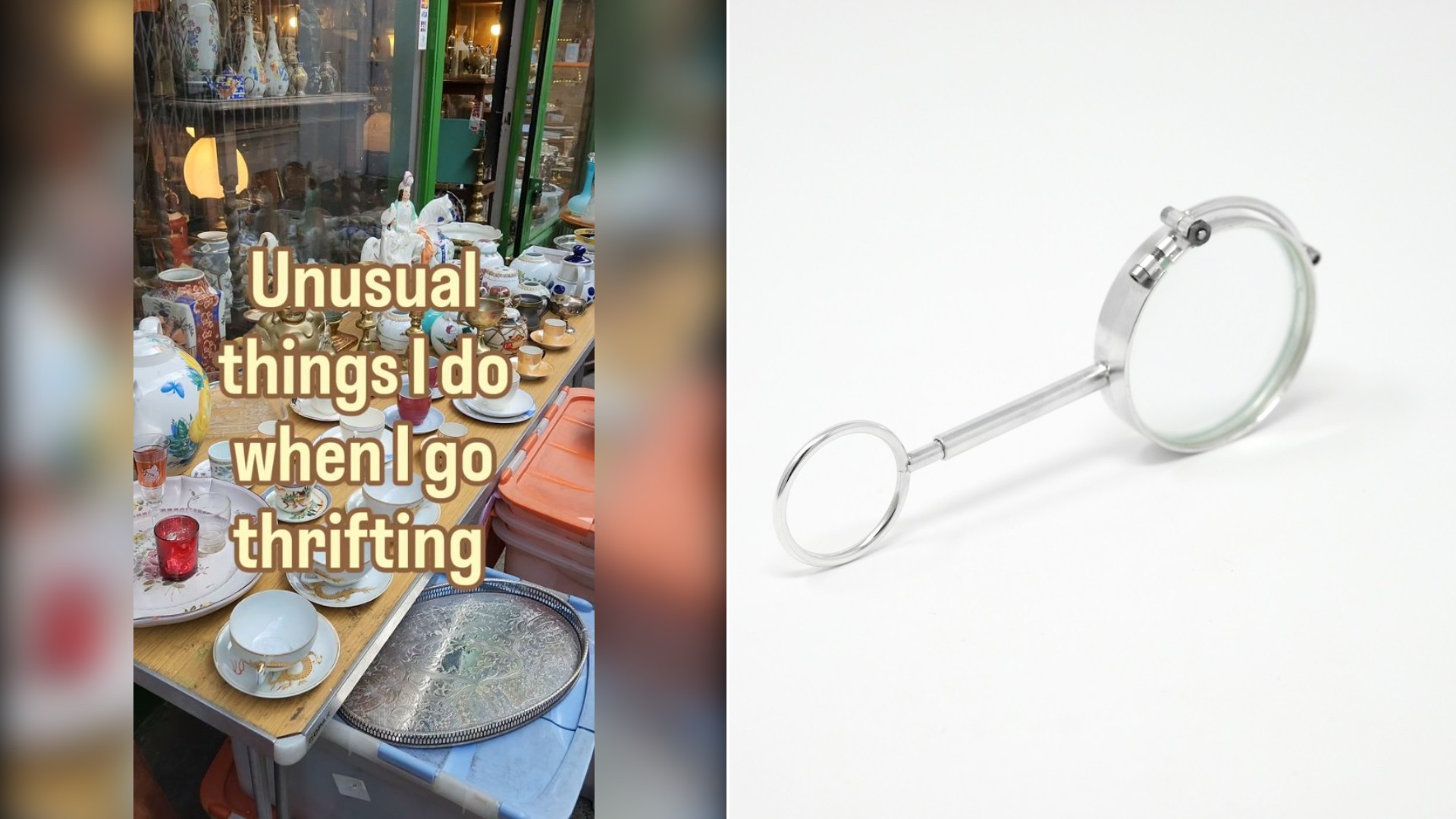
The tools fit in a purse or pocket, and the checks take seconds. Together they can help a shopper separate a true treasure from a pretty imitation before a single dollar changes hands.
Test One: A Magnet For Silver
The first tool is a small magnet. Solid sterling silver is not magnetic, so if a piece snaps to the magnet it is probably silver plate over a base metal, or some other material.
The test is useful but not perfect. Many metals are nonmagnetic, including brass and copper, so a piece that does not stick still needs another look.
View this post on Instagram
Test Two: A Magnifier For Hallmarks
The second tool is a jeweler’s magnifier. Silver, gold and other metals often carry tiny stamped marks that identify the maker, the metal and sometimes the year.
Common marks on silver include sterling, 925 and the names of makers. Under a magnifier, those tiny stamps become readable, and a shopper can look them up to learn the history of a piece.
Many vintage hunters use the same pair of tools for jewelry, flatware and serving pieces. A magnet and a magnifier together tell you far more than either one does alone, and they cost only a few dollars.
Test Three: A Tape Measure
The tape measure is the quiet hero of every vintage trip. Size matters when you are buying furniture, mirrors, frames or rugs, and a wonderful piece that does not fit your space becomes a costly mistake.
Measurements also help with identification and value. Collectors compare dimensions with published sizes to confirm a pattern, an edition or a maker, and a piece that is off by an inch may be a reproduction.
Test Four: A Ring Tap That Makes Real Crystal Sing
The last test is the most fun. Flick a wine glass or crystal bowl gently with a fingernail or tap it with a ring, and listen. Real crystal, which contains lead or minerals that give it density, tends to produce a clear, long ringing tone.
Ordinary glass sounds duller and the note dies quickly. A good ring is a sign to look closer, though condition and shape also change the sound.
Why The Tests Are Not Foolproof
The creator notes that these checks are not foolproof, and that is good advice. A magnet cannot prove a piece is sterling, and a ring can come from some kinds of glass as well.
Think of the tests as a quick filter. They help you decide what to pick up, and what deserves more research before you buy.
What The Marks On Silver Really Mean
In the United States, the word sterling means 92.5 percent silver, often stamped as 925. Silver plate, by contrast, is a thin layer of silver over another metal, and marks like EP or EPNS point to plating.
Plated pieces can be lovely and useful, but they are worth much less than solid silver. Learning the marks is the first step toward knowing which is which.
One more tip is to weigh a piece in your hand. Solid silver feels heavy for its size, while plated or hollow items often feel lighter than they look. Practice with pieces you already own so you learn the feel.
Gentle Ways To Check Crystal
Beyond the ring test, look for clarity and weight. Lead crystal feels heavier than regular glass of the same size, and cut patterns will have crisp, sharp edges. Hold a piece to the light, and you may see sparkling rainbow flashes.
Check for chips and cracks along rims and stems, since damage lowers value and can cause breakage. Run a finger lightly along the edge to feel for rough spots.
Building A Thrift Kit For Your Bag
A small kit makes a big difference, and you can put one together for very little money. Pack the tools in a pouch so they are always ready, and add a couple of extras.
Here is a handy list:
- A small magnet
- A jeweler’s loupe or pocket magnifier
- A retractable tape measure
- A flashlight to see into dark corners and under furniture
- A notepad or phone for looking up marks and sold prices
Do A Little Homework Before You Buy
The best vintage hunters pair their tools with research. Look up sold listings to learn what pieces really fetch, and consult maker mark guides for silver, pottery and glass.
When a price seems too good to be true, slow down and test. A few extra minutes in the store can save you from an expensive disappointment.
Small Tools, Big Finds
The tips from @my_dolce_casa show that great thrift finds often come from simple habits. A magnet, a magnifier, a tape measure and a gentle tap can turn a random browse into a smart hunt.
Pack the kit, trust your ears and eyes, and enjoy the treasure that follows.
More Stories You May Like
- Thrifter Finds A Dancing 2006 Fish Speaker For Just $3 That Originally Sold For $40 To $50 And Now Lists For Over $100 Online But There Is One Big Problem
- Def Leppard’s Vinyl Collection Volume 4 Includes An Unreleased Beatles Cover Of Revolution Recorded For A TV Ad That Never Aired
- Red Hot Chili Peppers Walk On Dressed As Rick Rubin In Giant White Beards, Restart Give It Away After Flea’s Bass Fails, And The Real Rubin Joins The Standing Ovation

Leave a Reply