

A stack of used records for ten dollars is a nice find on its own. A stack of mint records, most of them first mono pressings by the Beatles, is the kind of thrift story collectors repeat for years. Creator @816flipsvintage shared exactly that kind of story, telling how a whole pile of records with zero scratches came home for just $10 in total.
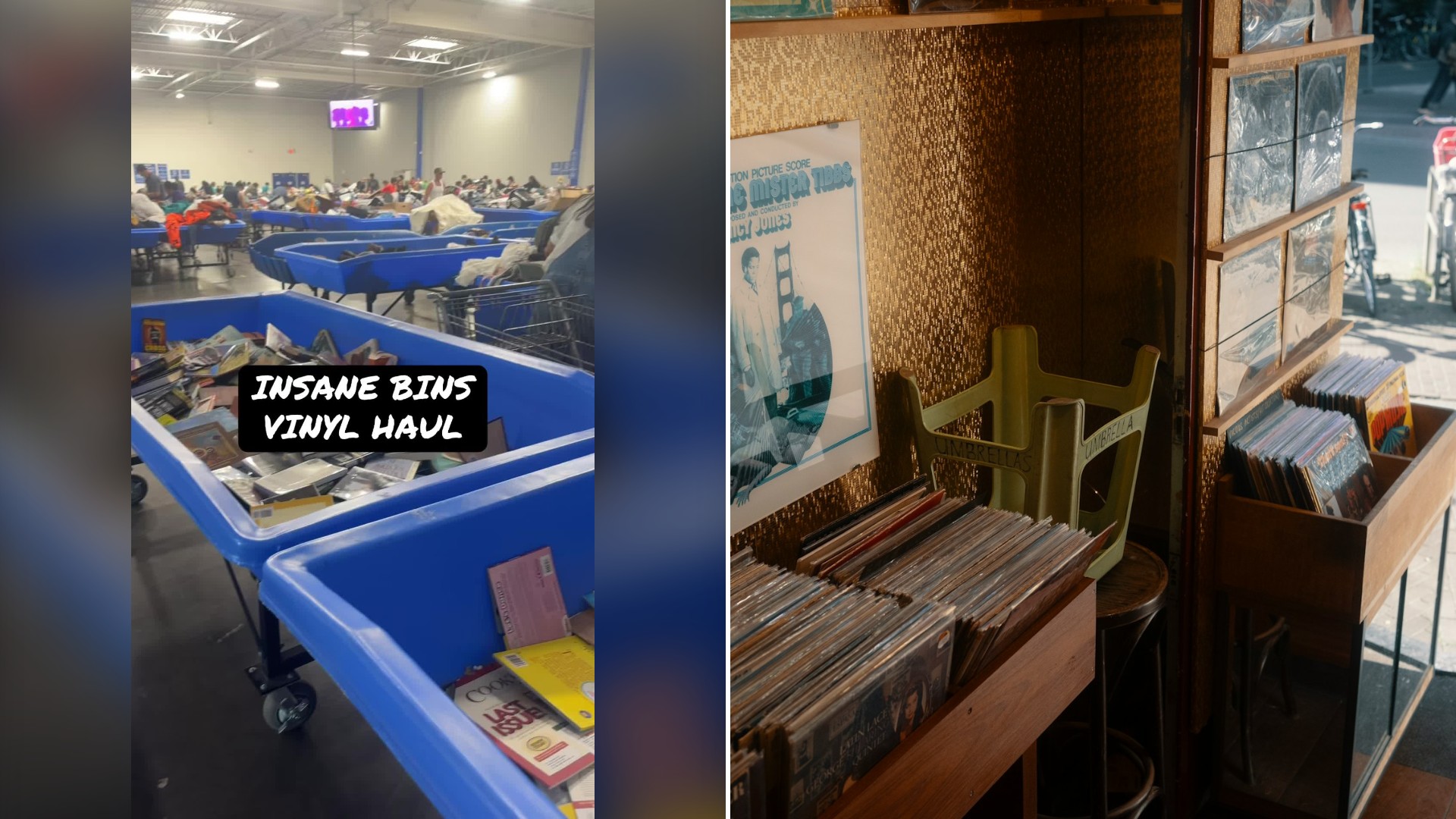
The story lands because it pairs two things record hunters love, a bargain price and a condition that most thrifted vinyl never reaches. Here is a closer look at why those details matter, and how to give yourself a better shot at a find like this one.
@816flipsvintage
What the Creator Shared
According to the creator, the whole stack cost $10 total. The records were in mint condition with no scratches, and most of them turned out to be first mono pressings of Beatles albums. That is the full list of what was shared, and it is plenty. A single low price for the entire pile, rather than a price for each record, is what makes the math so striking.
Thrift stores often price records at a flat low rate, because staff rarely have time to research every sleeve in the bin. That is general store practice, not something the creator described, but it helps explain how a knowledgeable shopper can walk away with a bargain.
Why Mono Pressings Matter to Collectors
In the early 1960s, mono was the main format for pop music, and stereo equipment was still uncommon in many homes. Because of that, albums from the era were often built around their mono mixes, and the stereo versions were sometimes treated as an extra. The Beatles were no exception, and many fans consider the mono mixes of the early albums to be the definitive versions.
A first pressing is one of the earliest copies made from the original stampers. Collectors tend to prize them for historical reasons and for the way they sound, which is why a first mono pressing can be far more interesting to a fan than a later reissue of the same album.
What Mint Condition Really Means
Record grading follows a rough scale. Mint is reserved for a record that shows no wear at all, Near Mint covers the best used copies, and Very Good Plus describes a record with light marks that still plays well. Many sellers consider true Mint very rare for anything decades old, so a stack described as mint with no scratches is unusual.
Condition matters because it multiplies everything else. A first pressing with deep scratches or a split cover can lose much of its appeal, while the same pressing in clean shape is what collectors hunt for. Both the disc and the sleeve count toward the grade.
How to Spot a First Pressing
Telling a first pressing from a later one takes a little homework. Start with the label design and the text printed around the center, since labels changed over the years as pressing plants and record companies updated their artwork. Next, look at the run-out groove near the label, where matrix numbers and stamped codes are etched. Those codes can be matched against a discography or price guide.
Also check the cover for the word mono, a barcode that should not be there on an older album, and any wording that suggests a reissue. No single clue settles the question, so compare several before you decide, and keep a phone handy to look up details before you pay.
Where to Dig and Tips for Your Next Record Hunt
Great records tend to surface where nobody has had time to sort them. Estate sales, garage sales, church rummage sales and donation centers all receive whole collections at once, often from households that kept their albums carefully in a cabinet for decades. Records stored upright in a cool, dry spot usually survive far better than those left in a damp basement or a hot attic.
Patience and timing help too. Donation centers put out new items throughout the week, so a bin that looked picked over on Monday can hold something wonderful by Thursday. Experienced diggers also flip through every record in the section rather than only the covers that catch the eye, because plain sleeves sometimes hide the best discs.
- Visit thrift stores often, since stock changes quickly and good records rarely last on the shelf.
- Pull the disc out of the sleeve and tilt it under bright light to check for scratches and scuffs.
- Look along the edge of the record for warping, which can ruin playback.
- Ask whether more records are in the back, in boxes, or waiting to be priced.
- Learn the label and matrix details for the artists you love before you shop.
- Store finds upright, away from heat and sunlight, in clean inner sleeves.
The Takeaway
A $10 stack of mint records with first mono Beatles pressings in it is the dream version of a thrift trip. Most trips will not end that way, but the habits behind it can be copied by anyone. Show up often, check every disc, learn what makes a pressing special, and stay curious about the crates that others walk past.
Thanks to @816flipsvintage for sharing the story, and happy digging.

Leave a Reply