

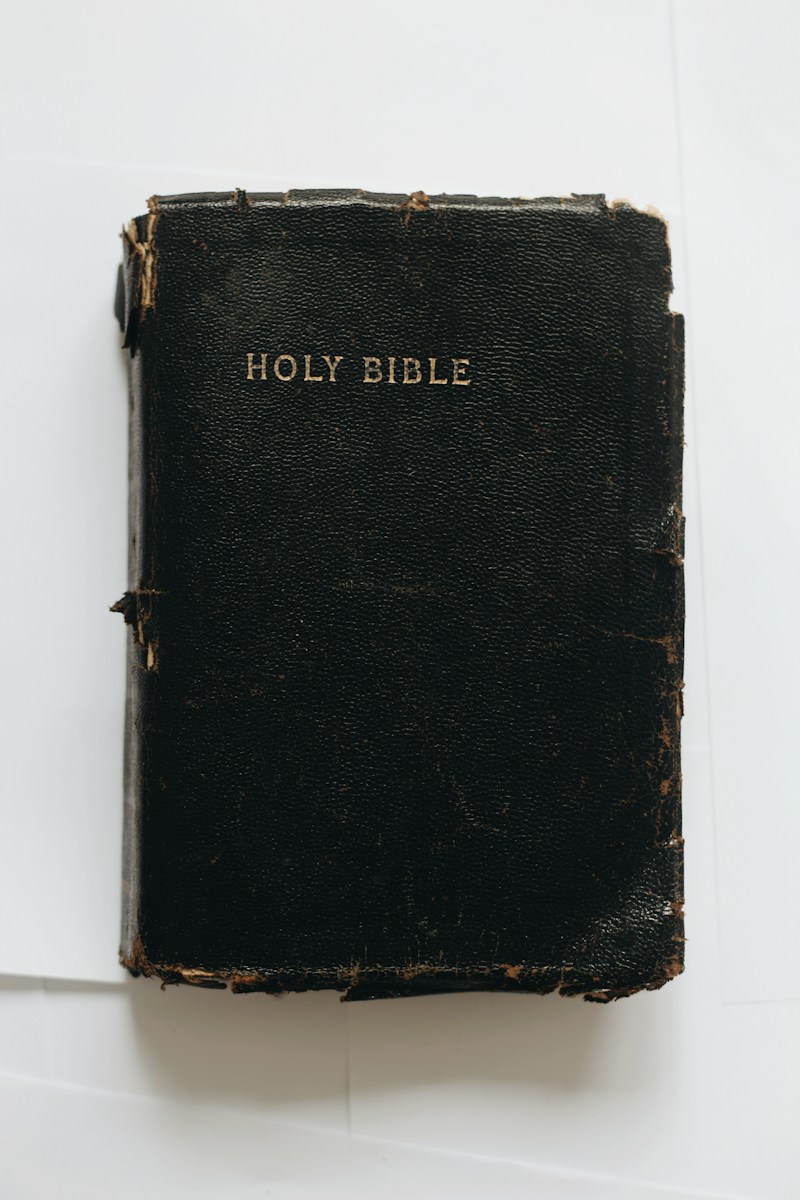
Some thrift finds are worth more than their price tag suggests, not in dollars but in the story they carry. One thrifter came across a 1947 illustrated family Bible, inscribed to a couple named Dorothy and Jack, with its record pages left blank. She shared the discovery on TikTok as Needle in the Haystack Finds, pausing to sit with what the object represented rather than treating it as just another find.
In her video, the creator shows the Bible’s illustrated pages and the 1947 inscription to Dorothy and Jack, a personal detail that immediately transforms the object from an old book into a specific family’s keepsake. She notes that the family record pages, typically used to log births, marriages and deaths across generations, were left blank, leaving the rest of Dorothy and Jack’s story untold by the object itself.
This piece intentionally does not speculate about who Dorothy and Jack’s descendants might be or attempt to crowdsource their identification, since doing so risks drawing uninvited attention to private individuals without their knowledge or consent. It’s also worth noting that no addresses or other sensitive family details were shown in the original post, and this piece includes none.
What makes the creator’s reaction resonate is the pause itself, rather than treating the Bible as simply another item to catalog and move past, she takes a moment to acknowledge that a family heirloom like this one, inscribed and personal, ending up in a secondhand store raises real questions about how it got there and what happened to the people it once belonged to.
Inscribed and personalized objects occupy a particular emotional register within thrift and vintage content, distinct from anonymous furniture or decor. A name, a date and a relationship turn an object into a fragment of someone’s actual life, and creators who acknowledge that weight rather than glossing over it tend to strike a chord with viewers who’ve had similar encounters with unexpectedly personal secondhand finds.
The Takeaway
If you come across an inscribed or personalized object while thrifting, a Bible, a photo album, a letter, it’s worth pausing to consider the person or family behind it rather than treating it purely as inventory. These objects often end up in secondhand shops through estate sales, downsizing or loss, circumstances that deserve a measure of respect even when the details are unknown. If you’re moved to share a similar find publicly, consider leaving out identifying details like full names paired with addresses, and avoid turning your audience into an amateur search party for a family that hasn’t consented to that kind of attention.

Leave a Reply