

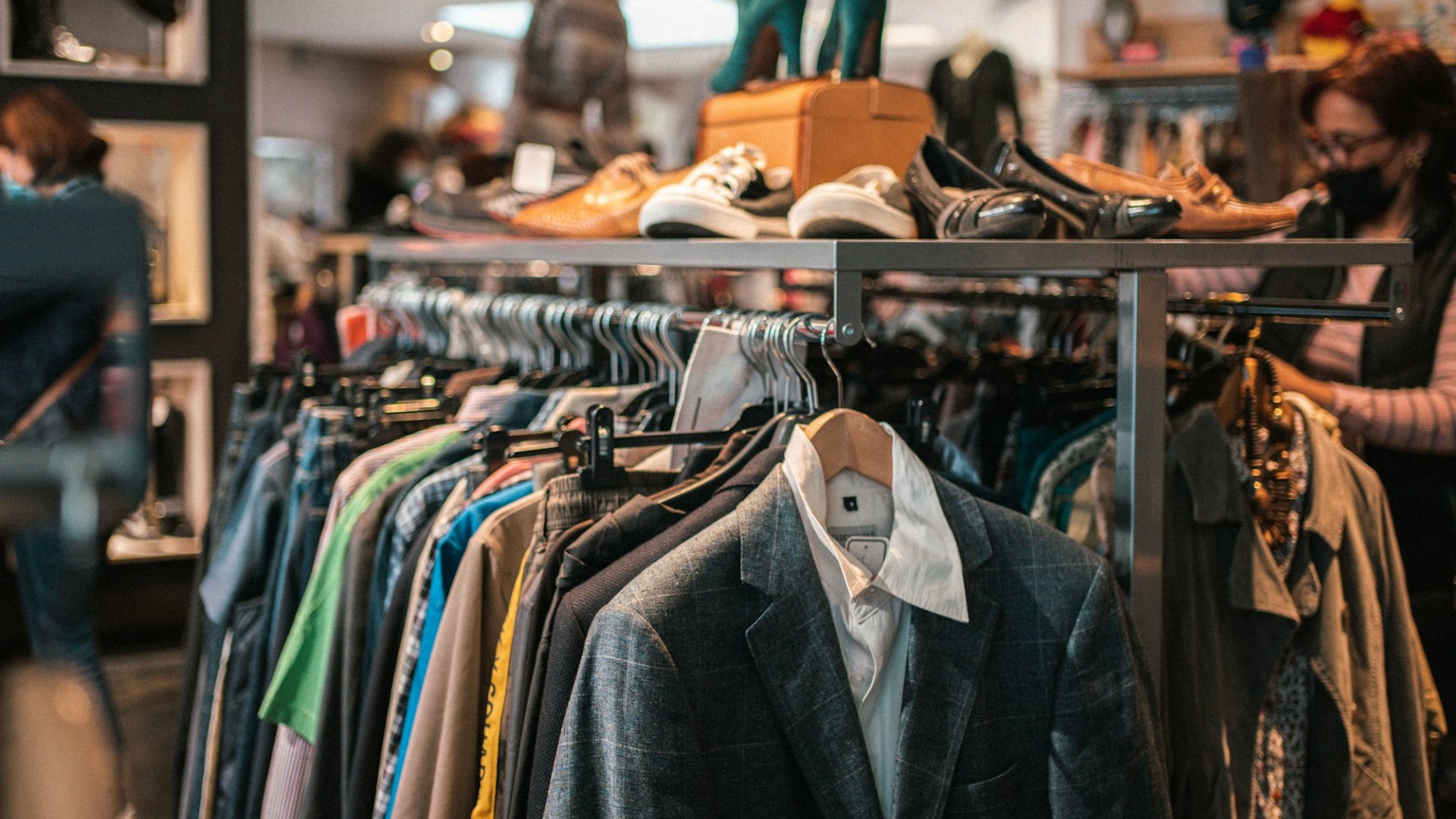
Secondhand fashion has been treated as a nice-to-have trend for years, the kind of thing people do for a bargain or a laugh before going back to buying new. A fresh set of numbers from the platform that’s been tracking this market longer than almost anyone else suggests that framing is badly out of date.
The Headline Number: $393 Billion by 2030
ThredUp released its 14th Annual Resale Report on April 2, 2026, and the topline projection is hard to ignore: the global secondhand apparel market is expected to reach $393 billion by 2030. In the U.S. alone, resale is projected to hit $78.8 billion over the same period, growing roughly four times faster than the broader retail clothing market. Globally, resale is expanding at about twice the rate of conventional apparel retail as a whole, according to WWD’s coverage of the report.
The report isn’t a projection pulled from thin air. ThredUp built it from a survey of 3,268 U.S. adults conducted in January and February 2026, input from the top 50 U.S. fashion retailers and brands, and analysis from research partner GlobalData. That’s the kind of methodology that makes the $393 billion figure worth taking seriously rather than treating it as marketing shorthand.
Growth That’s Already Happening, Not Just Projected
What makes this year’s report notable isn’t only the forward-looking number. The secondhand market grew 13% last year while new apparel sales stayed nearly flat, and ThredUp’s report forecasts a 9% compound annual growth rate for resale between 2025 and 2030. That’s growth that’s already measurably outpacing the traditional retail industry it’s competing with, not a hypothetical future trend line.
ThredUp CEO James Reinhart framed the shift bluntly, telling reporters that resale is “taking direct market share” from conventional retail rather than simply growing alongside it. That distinction matters. A market segment growing in parallel with retail as a whole is an addition to the pie. A market segment taking direct share is eating into it, and the report’s authors argue that’s exactly what’s happening as more shoppers treat secondhand as a first option rather than a fallback.
Why Younger Shoppers Are Driving the Curve
The report projects that Gen Z and Millennial shoppers will drive 71% of the market’s growth through 2030, a figure that lines up with years of anecdotal evidence about younger consumers treating resale as a default shopping habit rather than a niche interest. Reinhart has described this cohort as “resale natives,” shoppers for whom buying secondhand first isn’t a statement so much as simply how they shop.
Discovery habits are shifting right alongside buying habits. Nearly half of shoppers now say they find secondhand pieces through social media, creators, and influencer content rather than traditional search or browsing, according to the report. That shift toward social discovery is exactly the channel through which decade-specific, era-authentic pieces tend to circulate and gain visibility, since a single well-shot video showcasing an original vintage find travels much further on social platforms than a static resale listing ever could.
Supply, Not Demand, Is the Bottleneck
Perhaps the most counterintuitive finding in the report is that the constraint on resale’s growth isn’t shopper demand. It’s supply. ThredUp’s researchers found that the availability of quality secondhand goods, not consumer interest in buying them, is what’s actually limiting how fast the market can expand. For genuinely vintage, decade-authentic pieces specifically, that scarcity dynamic is even more pronounced, since original garments from a given era are a fixed, non-renewable pool by definition. Unlike gently used fast fashion, which keeps entering the resale stream continuously, an original 1960s dress or an authentic 1990s designer label can’t simply be replenished once it sells.
What This Means for Vintage Specifically
Read together, these numbers suggest an unusually favorable position for anyone holding onto or selling genuinely vintage pieces rather than recently discarded fast fashion. A market expanding at 9% annually, driven by younger buyers who discover pieces through social feeds and are actively constrained by supply rather than lack of interest, is exactly the environment where scarce, era-authentic items tend to command outsized attention and value. ThredUp’s own report doesn’t need to say the word “vintage” explicitly for the implications to be clear. The fastest-growing, most supply-constrained corner of a $393 billion market is precisely where decade-authentic pieces live.

Leave a Reply