

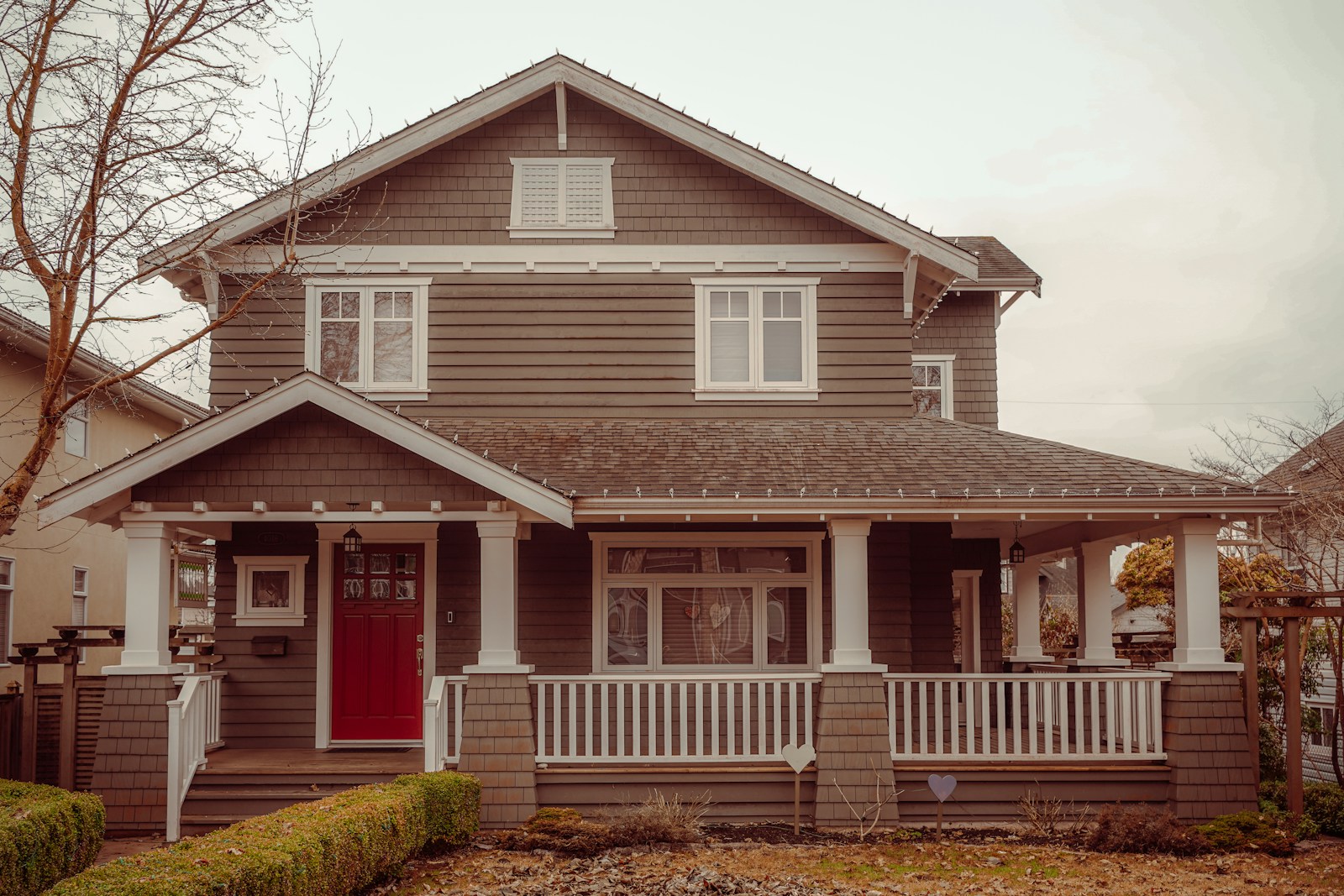
Between 1908 and 1942, Sears, Roebuck and Co. sold more than 70,000 mail-order house kits shipped by rail across North America, and the program’s busiest years — 1918 through 1930 — mean thousands of those surviving homes are turning 100 years old in 2026, according to the Wikipedia entry on Sears Modern Homes and a U.S. Department of Housing and Urban Development retrospective on kit housing.

Key Points
- Each kit shipped with roughly 30,000 precut, factory-stamped parts loaded onto one or more boxcars, along with a 75-page instruction manual, per Fine Homebuilding’s history of the program.
- Sears offered more than 370 different home designs over the catalog’s run, with prices in the first 1908 catalog ranging from $360 to $2,890 — roughly $13,000 to $104,000 in today’s dollars, per Wikipedia.
- Demand peaked between 1918 and 1930, the housing boom that followed World War I, when returning veterans needed affordable homes fast and Sears offered mortgages with five- to fifteen-year terms, according to HUD’s housing history series.
- To identify one today: look for lumber stamped with letter-and-number codes matching the original blueprints (used after 1916), shipping labels from Sears’ Norwood, Ohio or Port Newark, New Jersey millwork plants, and a circled “SR” mark cast into original bathtubs and sinks from the 1930s, per Fine Homebuilding.
- The largest surviving concentrations are in Pittsburgh, Pennsylvania (roughly 1,000 homes) and Cincinnati, Ohio (700-plus), according to HUD.
The Sears Modern Homes program was, in its own way, an early flat-pack furniture business scaled up to full houses: components were factory-cut in Illinois and Ohio mills, packed in the order they’d be needed on-site, and shipped by rail to a local station, where they were trucked the rest of the way. Premium “Honor Bilt” models used 16-inch on-center framing with rot-resistant cypress siding and cedar shingles, while cheaper Standard Built, Econo Built, and Simplex lines cut costs elsewhere, per Fine Homebuilding’s account.

Why It Matters Now
Most owners of these homes have no idea what they’re living in. Sears didn’t stamp a logo on the front door, and mortgage records that named the company as builder only ran from 1911 to 1933, per HUD, so identification usually comes down to hunting for stamped lumber in the attic or matching a floor plan against archived catalogs. With an estimated 18,000 to 22,000 kit homes still standing nationwide, per Fine Homebuilding’s estimate, 2026 is shaping up as a genuine milestone year for a slice of American housing stock that has quietly outlasted the mail-order catalog business that built it.

Leave a Reply