

Pull out the old turquoise Fiesta plates for Sunday dinner and it feels like a warm hug from the past. Those cheerful colors, that chunky shape, the clink of heavy dishware on the table. But before the mashed potatoes go on, there is a question worth asking. Is that dish actually safe to eat from?
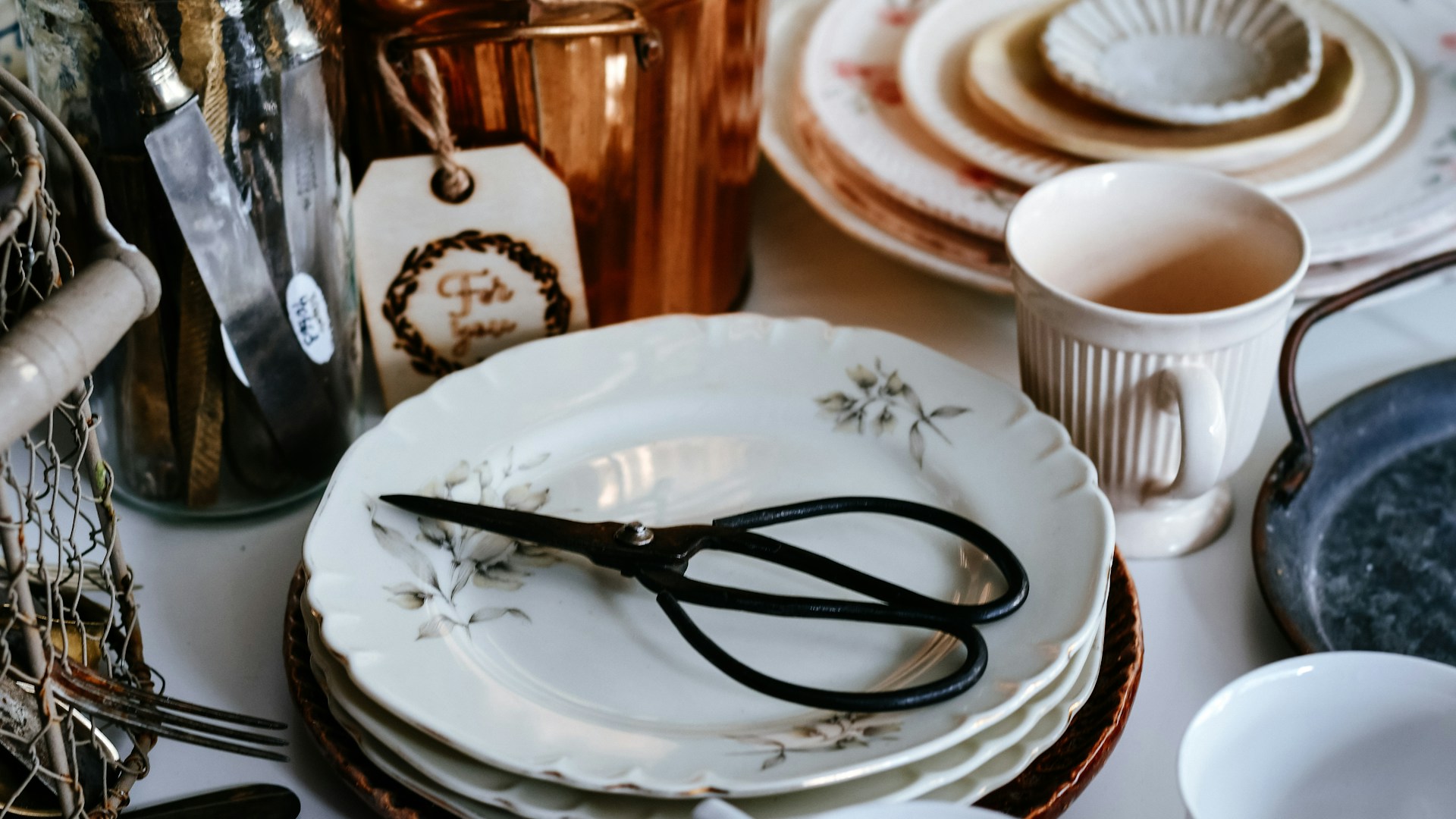
The answer is not always yes. Some older ceramic glazes were made with lead, and vintage dishes can be a hidden source of it.
Why Old Glazes Can Be a Problem
Lead was used in some glazes and decorations because it helped produce bright colors and a smooth, shiny finish. When glazing is done properly, lead can stay locked in. But if a glaze is poorly made, worn, chipped or crazed with tiny cracks, lead can leach out into food and drink, especially acidic foods and hot liquids.
Think tomato sauce, citrus, vinegar dressings, coffee and tea. Those are the kinds of foods that can pull more out of a problem glaze, particularly if they sit in the dish for a while.
What About Fiesta and Corelle?
These two names come up all the time at thrift stores and estate sales, and they are not the same kind of dish.
Fiestaware is ceramic with a colored glaze, and vintage pieces are exactly the sort of older glazed dishware where lead can be a concern. Bright reds, oranges and yellows in older ceramics are often the ones people worry about most. Because the glaze is the issue, the age and condition of a piece matter.
Corelle is made differently. It is a glass-based dinnerware, but older pieces with decorative patterns and printed designs have drawn questions about the decoration itself. That is why people talk about checking vintage patterns instead of assuming every old dish is fine.
The safest approach is not to guess from the name on the box. Look at the specific piece in your hands.
Warning Signs to Look For
- Chips, cracks or a worn, dull glaze
- A chalky or powdery feel on the surface of the glaze
- Fine crackle lines across the finish
- Bright decorations on the inside of a plate or bowl where food sits
- Handmade or imported ceramics with no clear information on food safety
- Faded or rubbed-off painted designs
None of these proves a dish contains lead, but each is a reason to be cautious about serving on it.
Do Test Kits Work?
Home lead test swabs are sold at many hardware stores and online, and plenty of collectors use them as a quick check. They can be a helpful first step. But they are not foolproof. A swab that shows no color change does not guarantee a dish is safe to eat from, and results can depend on the kit and how it is used.
If you want real certainty, a lab test is the most reliable route. For a dish you truly love, it may be worth it. For a plate you picked up for a couple of dollars, it may be easier to let it become a decoration.
Safer Ways to Enjoy Vintage Dishes
- Use them for display. Plate racks, open shelving and wall displays show off old dishes beautifully.
- Serve dry or non-acidic foods only if you choose to use them. Think of bread, cookies or wrapped items, and avoid hot, acidic or long-sitting foods.
- Do not store food in them. Letting leftovers sit overnight gives a problem glaze more time to do its work.
- Skip them for kids and expectant mothers. These groups are most sensitive to lead, so choose modern dishes you trust.
- Handle damaged pieces with care. Chipped or crazed dishes are better retired from the table.
- Do not use them in the microwave or oven. Heat can make the situation worse, and old glazes can be unpredictable.
A Good Option for Daily Use
For everyday meals, look for new dinnerware made by a reputable maker that sells it as food safe in the United States. That gives you peace of mind without giving up the fun of collecting. Keep your treasured vintage pieces for show, and let the modern plates do the hard work of holding dinner.
Where Thrift Shoppers Get Caught
Most of us do not buy vintage dishes with a test kit in our purse. We spot a pretty set for a few dollars and bring it home. That is exactly how an unknown dish ends up on the family table.
It helps to build a habit. When you find a set you love, ask yourself how you plan to use it. If the answer is display, enjoy it and relax. If the answer is dinner for the grandkids, stop and think. Look the pattern up, check the condition, and decide whether the risk is worth it for the sake of nostalgia.
The good news is that there is plenty of lovely dishware out there. You can still have that cheerful, colorful look on your table with modern pieces that are made and sold as food safe.
The Bottom Line
Old dishes are lovely, and there is no need to panic or throw out every piece. But a pretty plate is not automatically a safe plate. Look closely, test if you want extra information, and when in doubt, put it on the shelf instead of the dinner table.
More Stories You May Like
- Chunky Plastic Bracelets In A Thrift Store Bin Could Be Bakelite Worth Thousands And A Warm Water Smell Test Can Help You Tell
- Shopper Finds A Tote Of Nearly Complete China At Goodwill For $29.99, Unboxes Eight Place Settings On Camera, And Calls It Her Favorite Thrift Find To Date
- Estate Sale Shopper Hits the Mother Lode of Cozy Granny Sweatshirts at $5 Each and Walks Out With 17 of Them, and the Closet Now Needs Some Space

Leave a Reply