

A piece of thrift store art turned into a full detective story when creator @momsgotmoney spotted a painting that looked distinctly out of place among the usual secondhand inventory, the kind of piece that gave off every signal of having been donated by accident rather than intentionally. Rather than just buying it and moving on, she walked viewers through the process of checking its resale value on eBay, and what she found left her, by her own account, stunned.
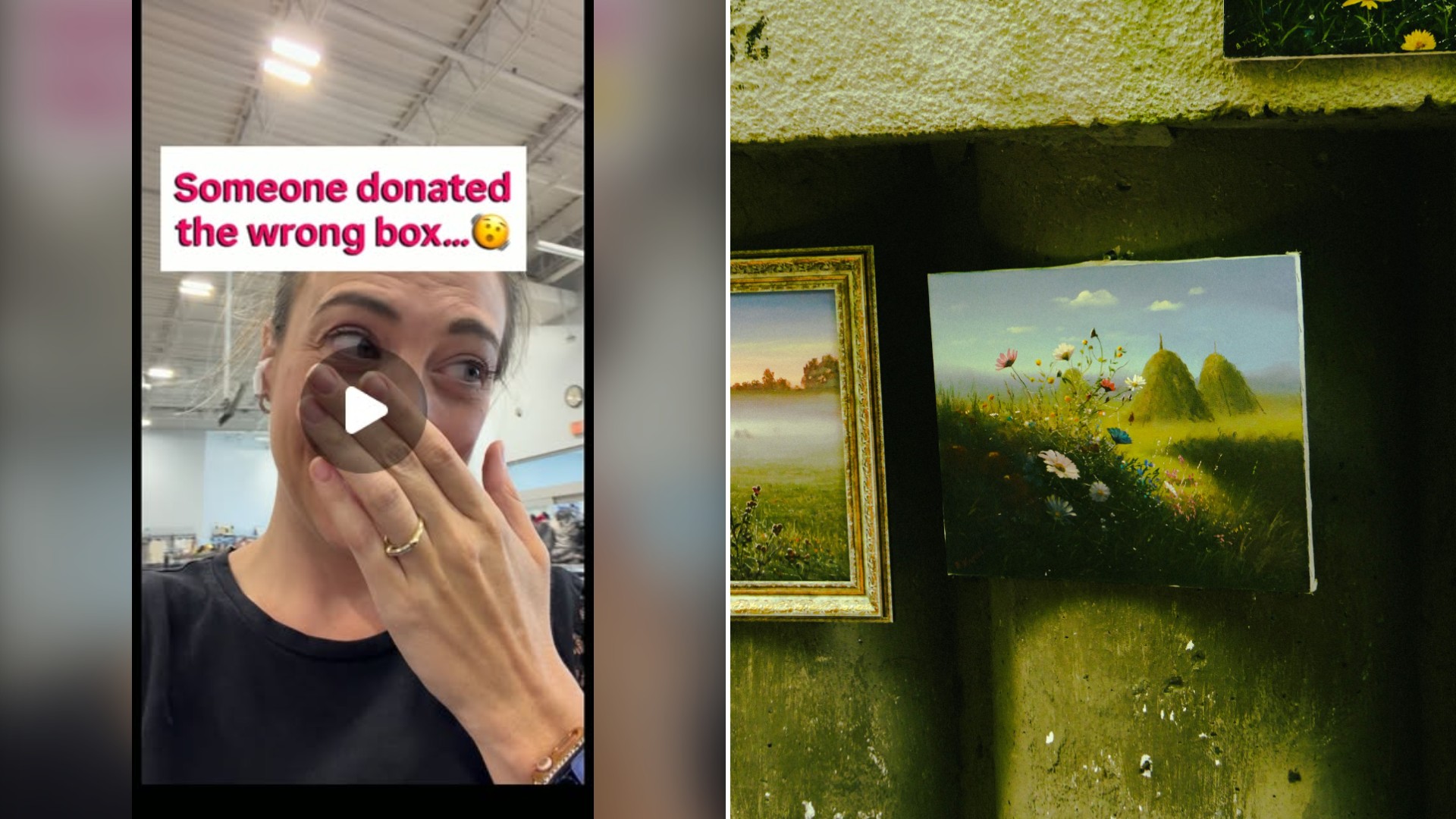
The video has become one of the biggest performers in its category, racking up 6.1 million views as viewers followed along with her research process in real time, from the initial spot on the shelf to the moment the comparable sold listings came up on screen.
Underpriced art at thrift stores is one of the most consistently profitable categories for experienced resellers, precisely because evaluating a painting’s worth requires a specific kind of knowledge that most thrift store staff simply don’t have time to apply to every donation that comes through the door. Staff pricing art typically rely on obvious visual cues, whether it looks expensive, whether it’s framed well, whether it matches a style they recognize as valuable, rather than researching the artist’s name, signature, or auction history, which means a genuinely valuable piece by a lesser-known but collected artist can slip through priced like a generic mass-produced print.
The process this creator walked through, checking sold listings on eBay rather than just active asking prices, is considered the gold standard for quick resale research precisely because it reflects what buyers have actually paid rather than what sellers hope to get. Active listings can be wildly inflated by hopeful sellers with no buyers in sight, while sold listings show real transaction history, giving a much more accurate read on genuine market demand for a specific artist, style, or subject matter.
Several factors typically separate a genuinely valuable thrift store painting from a worthless one. A legible signature that can be matched to a documented artist is the single biggest value driver, since an identified artist with any kind of auction record immediately moves a piece out of generic decor territory. Medium matters too, with original oil and acrylic paintings generally holding more value than prints or mass-produced reproductions, though a rare or limited-edition print from a known artist can still carry real worth. Condition, including any flaking paint, canvas damage, or water staining, factors heavily into final sale price regardless of the artist’s reputation, since restoration costs eat directly into resale margins.
The specific signals that suggest a piece was donated “by mistake,” as this creator described it, often come down to context rather than the art itself: a painting found mixed in with low-value decor, priced well below what its frame or canvas quality alone would suggest, or showing up in a donation batch that otherwise contained clearly unremarkable household items. Experienced thrift shoppers learn to trust that instinct and investigate further rather than walking past, since the cost of being wrong is typically just a few dollars, while the upside of being right can be substantial.
Beyond the specific find, this video has become something of a template for a now-popular genre of secondhand content: the on-camera research process itself, showing viewers exactly how to verify a hunch rather than just presenting a finished reveal. That transparency is part of why it’s resonated so widely, giving casual thrifters a real, repeatable method rather than just envy over someone else’s lucky find.
Whatever @momsgotmoney ultimately decides to do with the painting, her video has likely sent plenty of viewers back to their local thrift stores with a newly critical eye on every unassuming piece of wall art they pass.

Leave a Reply