

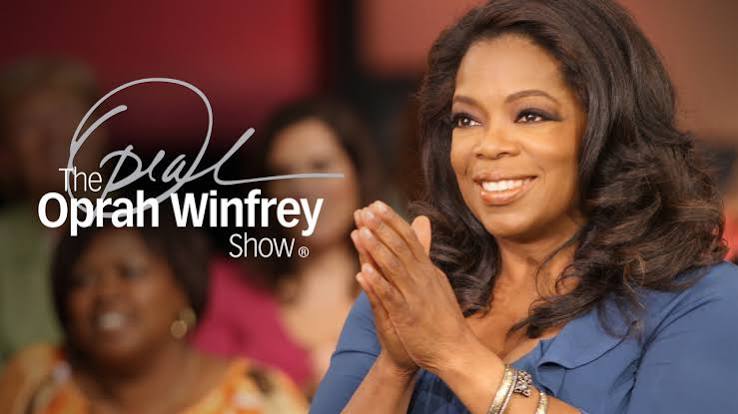
On September 8, 1986, “The Oprah Winfrey Show” stopped being a Chicago-only phenomenon and began beaming into living rooms across the country — a Monday forty years ago this week that quietly reset what daytime television was allowed to look like. Within its first season in national syndication, it had already overtaken every other talk show on the air, a run that would eventually make it the highest-rated talk show in television history.
Key Points:
- National syndication launched September 8, 1986, via King World Productions.
- The show had already been beating Phil Donahue’s program in the Chicago local ratings before going national.
- It ran for 25 seasons, ending in May 2011.
- Weekly US viewership reached an estimated 46 million by 2008, with the show airing in 149 countries at its peak.
From a Local Chicago Show to a National Reset Button
Before the syndication switch flipped, Winfrey had already proven something the networks hadn’t fully reckoned with: a local morning show hosted by a young Black woman in Chicago could out-rate Phil Donahue, the reigning king of daytime confessional TV, in his own backyard. Film critic Roger Ebert, of all people, was the one who pushed her toward a national syndication deal with King World.
Beating the Competition, Then Becoming the Standard
The show didn’t just win in year one — it stayed on top for essentially its entire run, becoming the number-one program in daytime television for years running and collecting 47 Emmy Awards before Winfrey pulled it from awards consideration in 2000. By the time it wrapped in 2011, it had aired more than 4,500 episodes and reached international audiences in 149 countries at its height.
A Ripple Effect That’s Still Running
The show’s fingerprints are still visible on the genre it reshaped. Its confessional, guest-forward format became the template for the talk shows that followed it out of the same production ecosystem, including Dr. Phil, Rachael Ray, and The Dr. Oz Show, all of which trace their DNA directly back to Winfrey’s Harpo Studios. Media watchers even coined a specific term, “the Oprah Effect,” to describe her singular ability to turn a single on-air book pick or product mention into an instant bestseller.
Forty years on, the September 8, 1986 flip of the switch reads less like a scheduling footnote and more like the actual start date of modern daytime television as viewers still recognize it.

Leave a Reply