

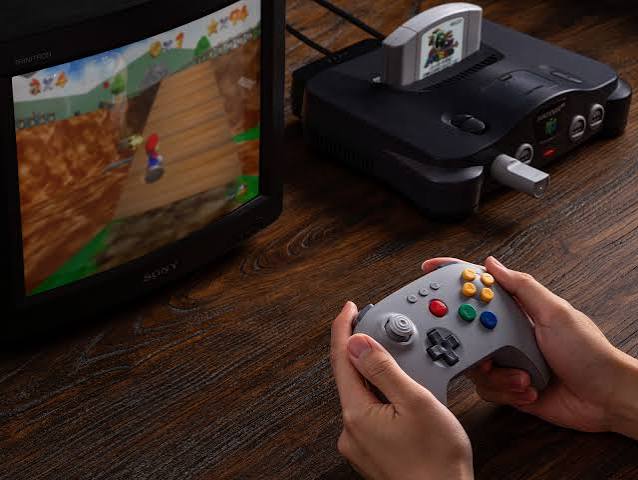
The Nintendo 64 launched in North America on September 29, 1996, at $199, with exactly two games on shelves and a technological ace up its sleeve that turned out to be the single worst business decision of the entire console generation.
A Console Delayed by Its Own Ambition
The N64 wasn’t supposed to arrive in the fall of 1996. Nintendo had originally eyed a Christmas 1995 launch, then pushed the date to April 1996, publicly citing the need for “software to mature,” according to a development history summarized from period reporting. Behind that official explanation was a messier truth: engineers at Silicon Graphics, Nintendo’s chip partner, found that early silicon was underperforming in testing and had to be redesigned. The console didn’t actually reach Japanese shelves until June 23, 1996, and the North American launch trailed a full three months after that.
The Cartridge Bet That Cost Nintendo the War
Nintendo insisted on sticking with cartridges for the N64 instead of moving to CD-ROM, the format Sony had bet on with the PlayStation. A PlayStation CD cost Sony’s publishers roughly $1 to manufacture. An N64 cartridge cost somewhere north of $25, and by some accounts over $30 per unit once packaging and testing were factored in. N64 games in their first year averaged $75.99 at retail.
Then there was the capacity problem. N64 cartridges topped out at 64 megabytes. A CD-ROM held over 650 megabytes — ten times the space, at a fraction of the cost.
The Publishers Who Walked
Square was the marquee defection. The studio’s cinematic ambitions for its Final Fantasy series needed disc-sized storage that cartridges couldn’t provide, and it moved the franchise to PlayStation instead. Enix shifted Dragon Warrior VII to PlayStation, Capcom built the bulk of its catalog for Sony’s machine, and even publishers who stayed loyal to Nintendo scaled back dramatically — Konami, for instance, shipped 29 games for the N64 against more than 50 for PlayStation, based on the sourced comparison on Wikipedia’s Nintendo 64 Game Pak entry. Even Sony’s own former hardware chief has said Square directly pleaded with Nintendo to reconsider before the N64 shipped, and Nintendo said no anyway, according to reporting on those comments.
The Gamble That Almost Didn’t Pay Off
None of this sank Nintendo outright — the N64 still moved over 500,000 units in its first week in Japan and went on to sell tens of millions of consoles worldwide. But the cartridge decision is widely credited with handing PlayStation the software library and ultimately the console-war lead that Sony never really surrendered for the rest of the decade. Nintendo’s home console business wouldn’t fully recover its market-leading position until the Wii, nearly a full decade later.

Leave a Reply