

Schwinn sold roughly 45,000 units of a brand-new bike in the first couple of months after launch in 1963, according to a historical account compiled at Bike History, blowing through its tire supply so fast the company spent the rest of the year just trying to keep up. That bike was the Sting-Ray, and Schwinn’s own brand history now calls it, flatly, “the bestselling bike in Schwinn’s history.” One original example now lives permanently in the Smithsonian. A lot of the rest are still sitting in garages, and a surprising number of those are worth real money.
From California Custom Job to National Obsession
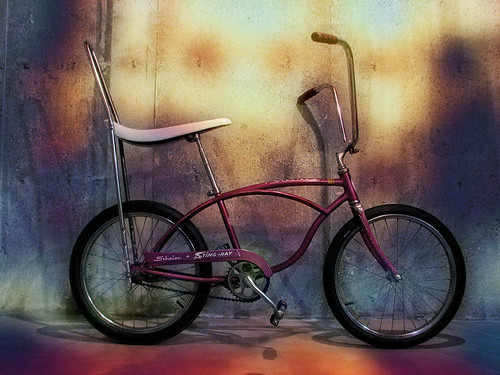
The Sting-Ray wasn’t dreamed up in a boardroom. Per Schwinn’s own account, it was reverse-engineered from what Southern California kids were already doing to their bikes, stretching seats, raising handlebars, and chopping frames to look like the motorcycles and dragsters they saw on the street. Schwinn productized that look: 20-inch wheels, an elongated banana seat, and ape-hanger handlebars built for popping wheelies, not commuting.
The formula worked immediately. The company’s history page describes the bike becoming “synonymous with suburban youth in the 1960s,” and by 1968 Schwinn expanded the concept into the Krate line, adding stick shifters, front suspension forks, and drum brakes to models named Orange Krate, Apple Krate, and Lemon Peeler.
A Museum-Grade Object That Started as a Toy
The Smithsonian’s National Museum of American History holds a 1965 Super Deluxe Sting-Ray in its permanent bicycle collection, donated directly by Schwinn’s predecessor company, Arnold, Schwinn & Co. The museum’s own catalog entry describes the bike as the product of “Southern California custom bike culture” that Schwinn turned into “a nationwide phenomenon,” citing its low-slung frame, Longhorn handlebars, and eye-catching factory colors like Flamboyant Lime and Violet.
That a mass-market kids’ bike earned a spot alongside the museum’s broader cycling history says something about how thoroughly the Sting-Ray reshaped what an American bicycle was supposed to look like. It wasn’t built for utility. It was built to be wanted, and it worked well enough that the shape still reads as “cool bike” six decades later.
What a $49.95 Bike Sells for Now
Original 1960s Sting-Rays retailed for around $49.95, per Bike History’s account of early pricing. Today, clean, correct examples routinely clear that by a wide margin. A recent Barn Finds writeup on a private collection of eight Krate-era Schwinns priced the whole lot at $24,000, or roughly $3,000 per bike, for machines with disc brakes and their original slick rear tires still intact.
Not every Sting-Ray in a garage is worth that kind of money. Condition, originality, and model year all matter enormously, and a rusted-out frame with mismatched parts is still just a rusted-out frame. But a Krate-series bike with its correct fenders, its factory paint, and its original components represents a completely different market than the base Sting-Rays turned out by the thousands. Rarer color runs and low-production variants push even higher.
What to Actually Check Before Selling One
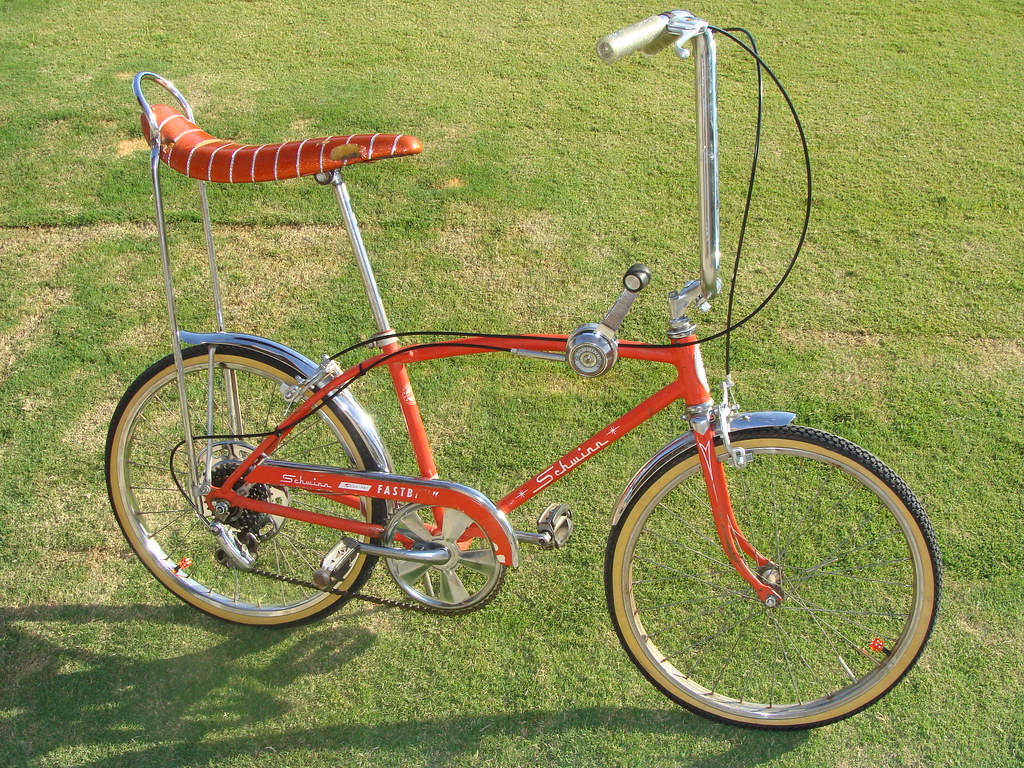
Serious buyers look past the obvious “Schwinn” head badge and get specific about model year and drivetrain. Early Sting-Rays with a simple single-speed coaster brake are the most common survivors and the least valuable. The Krate line that followed in 1968 is where the real premiums live, largely because those bikes shipped with parts that were expensive to make then and are even harder to replace correctly now: the spring-loaded sissy bar, the front drum brake, the mechanical disc in back.
Originality tends to matter more than a flashy repaint. A bike with its factory decals, its correct-year reflector, and its original slick tire is worth chasing down a serial number for before assuming it needs restoration. Schwinn stamped frame numbers that collectors still use today to date a bike to the month, which turns a rusty garage find into a fairly precise research project rather than a guess.
Why a Kids’ Bike Still Moves the Market
Part of what keeps Sting-Ray values climbing is simple math: these were ridden hard, by children, outdoors, for years, then usually left in a garage, a shed, or a landfill once the next model came out. Survival in complete, unmolested condition is genuinely uncommon, which is the same dynamic driving up prices on 1960s muscle cars built in similar numbers. The difference is a Sting-Ray fits in a hallway.
What started as a California kid’s mash-up of a bicycle and a dragster ended up defining an entire design era, then landing in the Smithsonian, then quietly turning into one of the more accessible entry points in American collectible vehicles. Not bad for a bike that used to cost less than fifty dollars.

Leave a Reply