

Take a slow look at the holiday table this year. Somewhere in a cabinet, a cupboard or a grandmother’s china hutch, there might be a small crescent-shaped dish that nobody in the family can explain.
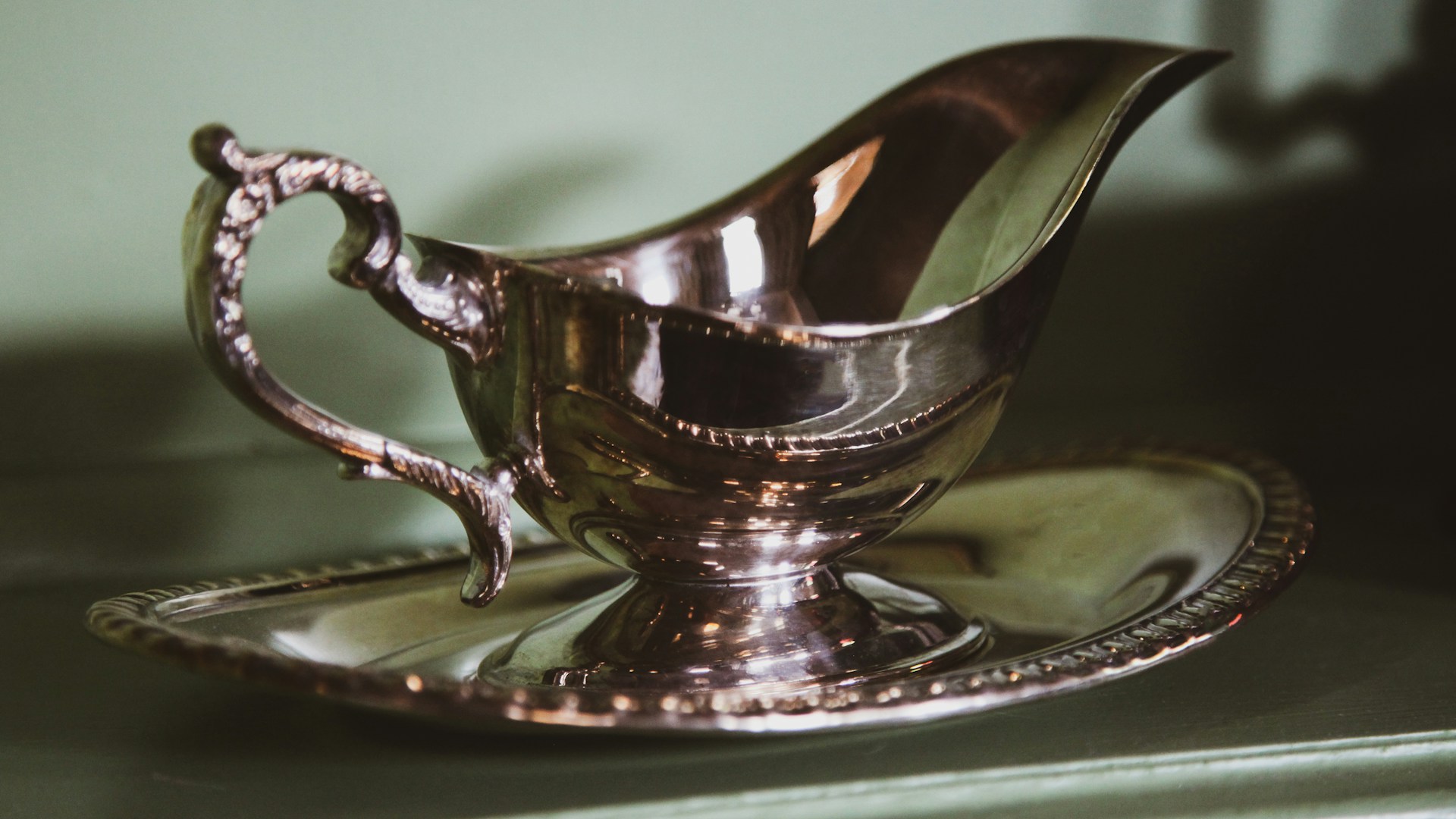
Antiques pro @noraknowsantiques shared exactly that mystery piece just before Thanksgiving, and it turns out to be one of the most charming bits of old dining etiquette around.
Her message is simple: in the Victorian and Edwardian eras, dining pieces could have very specific jobs, and these odd crescent dishes had one of the most specific of all.
View this post on Instagram
They Are Fishbone Plates, And They Sat At The Upper Left Of Your Dinner Plate
The mystery dishes are called fishbone plates. They were designed to sit at the upper left of your dinner plate so you had somewhere to discard fish bones while you ate.
It sounds fussy, and it was. But think about a formal dinner with the good tablecloth, a crowd of guests and a fish course on the menu. Nobody wanted a pile of bones on the dinner plate or, worse, on the linen.
A small curved dish tucked right beside the plate solved the problem neatly. The curve was shaped to nestle against the round dinner plate, so it took up very little room on a crowded table.
The Examples Shown Date To 1912 To 1918, More Than 100 Years Old
The pieces in her post are the real thing. She says they date to 1912 through 1918, which makes them more than 100 years old.
That is a sobering thought for anyone who has ever worried about chipping a modern plate. These little dishes survived well over a century of family dinners, moves, attics and yard sales, and they still sit pretty on a table.
They also come from a time when a proper table setting was a point of pride. Households that could afford it owned separate pieces for soup, fish, salad, bread and dessert, and each one had its place.
Genuine Antiques For A Few Dollars Is Not A Typo
Here is the part that surprises people. She says you can still find pieces like these for just a few dollars, which makes them an affordable way to start collecting genuine antiques.
Most folks assume that anything more than 100 years old must cost a small fortune. Plenty of everyday dining pieces tell a different story, because the specialized serving dishes of the Victorian era have fallen out of use, and fewer people go looking for them.
That is good news for a beginner. You can hold, wash gently and display something from the early 1900s without spending what you would pay for a dinner out.
Many cooks and collectors say the best part of antique shopping is the hunt itself. A dollar-bin dish with a fascinating purpose gives you a story to tell at the table, and that is worth more than the price tag suggests.
It also keeps a bit of history in use. A plate that has been washed and passed around for over a hundred years deserves a second life, and a thoughtful buyer can give it one for pocket change.
Fishbone plates are only one example. Victorian and Edwardian homes had tools for asparagus, ice cream, olives, celery, sardines and more, and each of those odd shapes tells you something about how people once lived.
How To Start A Little Collection Without Getting Burned
If a crescent dish has you curious, a few simple habits will help you shop wisely. Antiques pros say the same things again and again, and they apply whether you are at an estate sale or an online marketplace.
- Turn the piece over and look for a maker’s mark, a country name or a pattern number.
- Run a fingertip along the rim and surface to feel for chips, cracks and repairs.
- Hold it up to the light; hairline cracks often show as dark lines.
- Compare several sold listings before you pay, and stay within your budget.
- Buy what you love to look at, since an affordable piece is meant to be enjoyed.
Matching sets are harder to find, but a single odd dish can look wonderful as a candy dish, a spoon rest, a place to set a tea bag or a spot for olives and pickles at a holiday dinner.
What Was On Your Family’s Table?
She closes with a question that deserves an answer: do you remember seeing unusual dishes like this at your parents’ or grandparents’ house? Many families have a relish tray, a gravy boat shaped like a swan or a set of tiny butter plates that came out only on special days.
Those pieces carry stories. Someone saved up for them, got them as a wedding gift or inherited them from an aunt, and they came out for Thanksgiving, Christmas and Easter year after year.
So this week, before the gravy gets passed, take a second look at the dishes on your table. You might find a little piece of Victorian dinner-party history looking back at you, and you can tell the kids exactly what it was built to do.
More Stories You May Like
- Survivor Player Returns From Fiji To Find His Storage Unit Auctioned Off, Bids $400 On His Own Belongings, And Loses His General Cheetah Painting To A Stranger
- Hayley Williams Brings Out Seu Jorge In Sao Paulo To Sing His Portuguese Bowie Cover Life On Mars, The Same Cover That Inspired A Verse On Her Song Zissou
- J Mascis Says Thieves Followed Dinosaur Jr. And Stole A Trailer Load Of Vintage Fenders, And He Would Still Recognize Them All These Years Later

Leave a Reply