

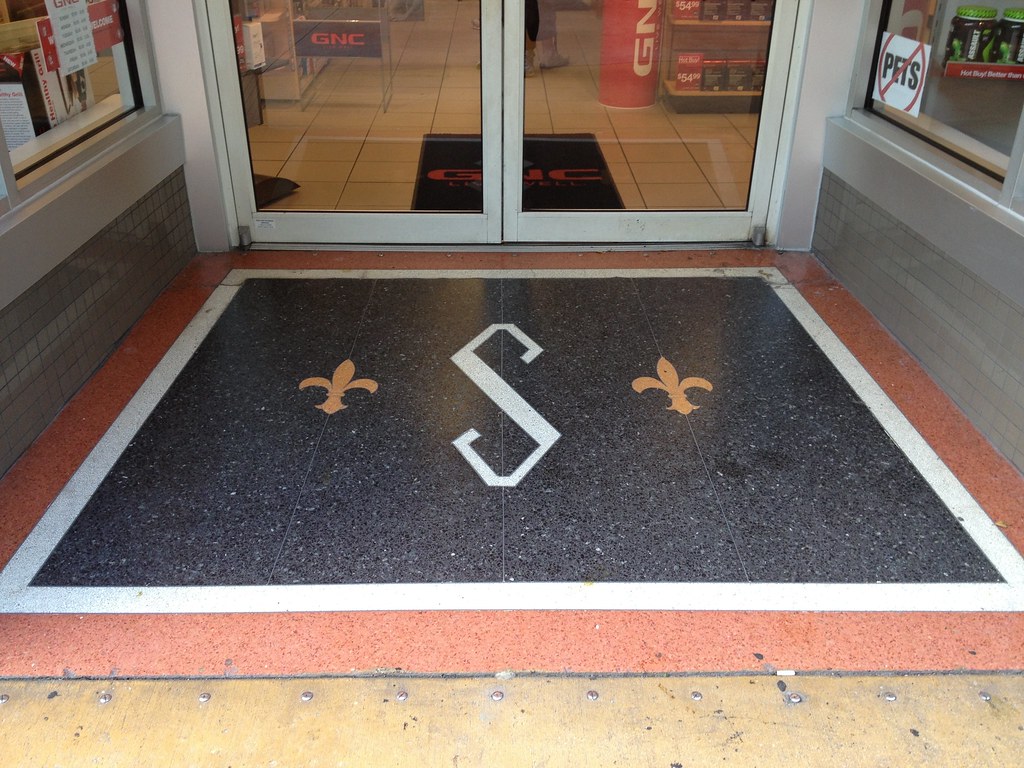
If you ever did homework on a speckled countertop or waited for a movie on a lobby floor that looked like it had been sprinkled with confetti, you already know terrazzo. That flooring is having a real moment again in 2026, and unlike most nostalgia trends that stay decorative and expensive, this one is spreading because it finally got affordable. Design outlets from tile manufacturers to home publications are naming terrazzo one of the flooring stories of the year, and the reason it is showing up in kitchens and bathrooms instead of just school hallways comes down to a single material shift: porcelain.
A Floor With Five Hundred Years on Its Resume
Terrazzo did not start in a 1960s ranch house. Italian artisans in Venice were embedding leftover marble chips into cement floors more than five centuries ago, originally as a thrifty way to use up stone scraps from other jobs. The technique crossed the Atlantic and became a fixture of American mid-century design, showing up in schools, hospitals, hotel lobbies, and eventually plenty of home kitchens and bathrooms during the poured, polished flooring boom of the 1960s and 70s. That era is exactly why terrazzo reads as instantly retro today: the speckled, confetti-like surface is baked into the visual memory of anyone who grew up around mid-century buildings.
What faded over the following decades was not the look itself but the price tag attached to getting it. Traditional terrazzo is poured in place, ground down, and polished by hand, a process that takes skilled labor and real time, which pushed it firmly into commercial budgets and only the most ambitious residential renovations.
Porcelain Tile Is Doing the Heavy Lifting
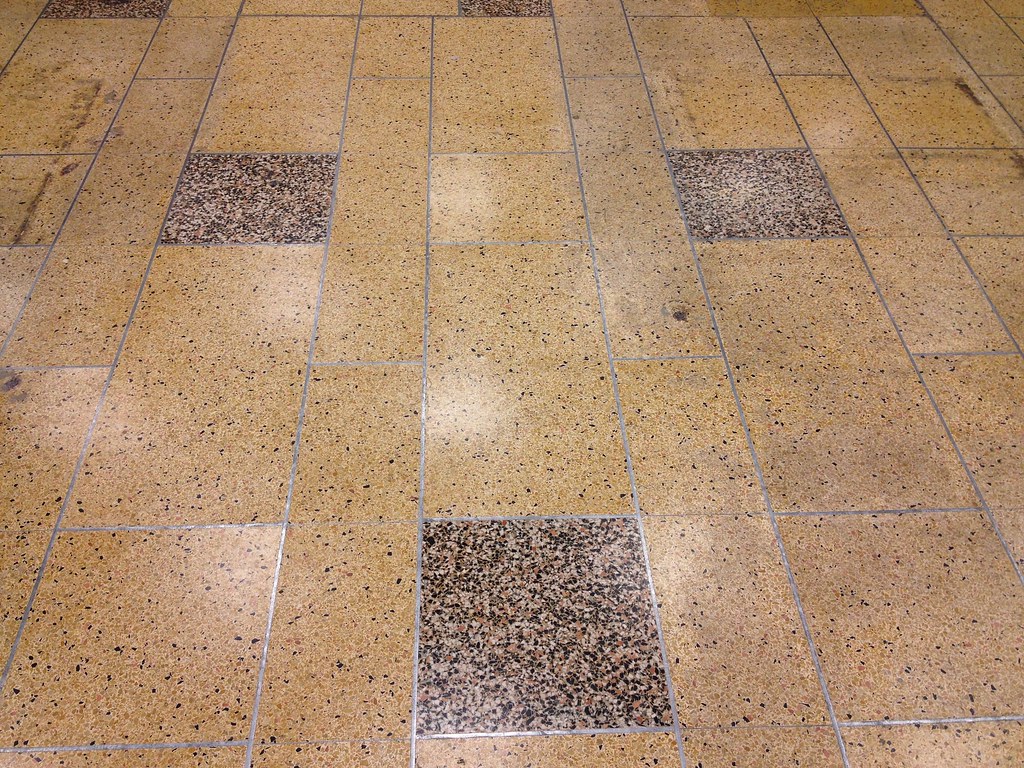
The reason terrazzo is suddenly everywhere again is that manufacturers figured out how to print and press that same speckled pattern into porcelain tile. According to House Digest’s rundown of the trend, design studios are already predicting porcelain terrazzo tiles with both large and small aggregate fragments will be everywhere this year, and tile retailers are seeing that same demand from homeowners who want the look without the poured-floor price. Porcelain terrazzo tile installs the way any large-format tile does, on a standard subfloor with standard labor, which is a big part of why the cost comes down so dramatically compared to a poured slab.
As MMG Tile and Stone explains in its own look at the 2026 trend, pre-made terrazzo tiles are easier and cheaper to install than poured versions, and while a careful eye might spot the grout lines between tiles, most people notice the speckled pattern before they notice anything else. That tradeoff, a few visible seams in exchange for a fraction of the cost and installation time, is exactly what is letting terrazzo move from hotel lobbies into ordinary primary bathrooms and kitchen floors.
Coverage of the trend from tile-industry outlets like Crossville’s roundup from the Coverings trade show points to the same shift, with terrazzo-style tile named among the patterns manufacturers expect to dominate showroom floors this year.
How to Use It Without It Using You
Terrazzo’s biggest design advantage is also its biggest trap: it is busy enough to be a room’s whole personality, so it works best when it is allowed to be the loudest thing in the space. Designers are leaning toward light, bright chip patterns in high-traffic zones like entryways and kitchen floors, while saving bolder, high-contrast color combinations for smaller footprints like a powder room or a shower floor where the pattern reads as a deliberate statement rather than visual noise. Pairing it with plain walls, simple cabinetry, and warm wood or brass accents keeps the floor from competing with everything else in the room.
It also helps that terrazzo was never just a pretty face. The material is dense, extremely durable, and needs little more than regular sweeping and an occasional damp mop, which means this particular nostalgia trend comes with a practical argument attached. A floor that already survived decades of school hallway traffic is not exactly going to struggle with a residential kitchen.
So if that confetti-speckled floor has been living rent-free in your memory since childhood, 2026 might be the year it is finally worth a second look. Between the vintage lovers who never stopped wanting it and the newer tile technology that makes it realistic on a normal renovation budget, terrazzo is proving that some trends do not just come back, they come back better.

Leave a Reply