


A student in an apartment has recently relocated their workspace into a spacious walk-in closet, seeking refuge from a noisy and disruptive roommate. This move was more than just a change of scenery; it was a necessary step to regain some peace and productivity at home.
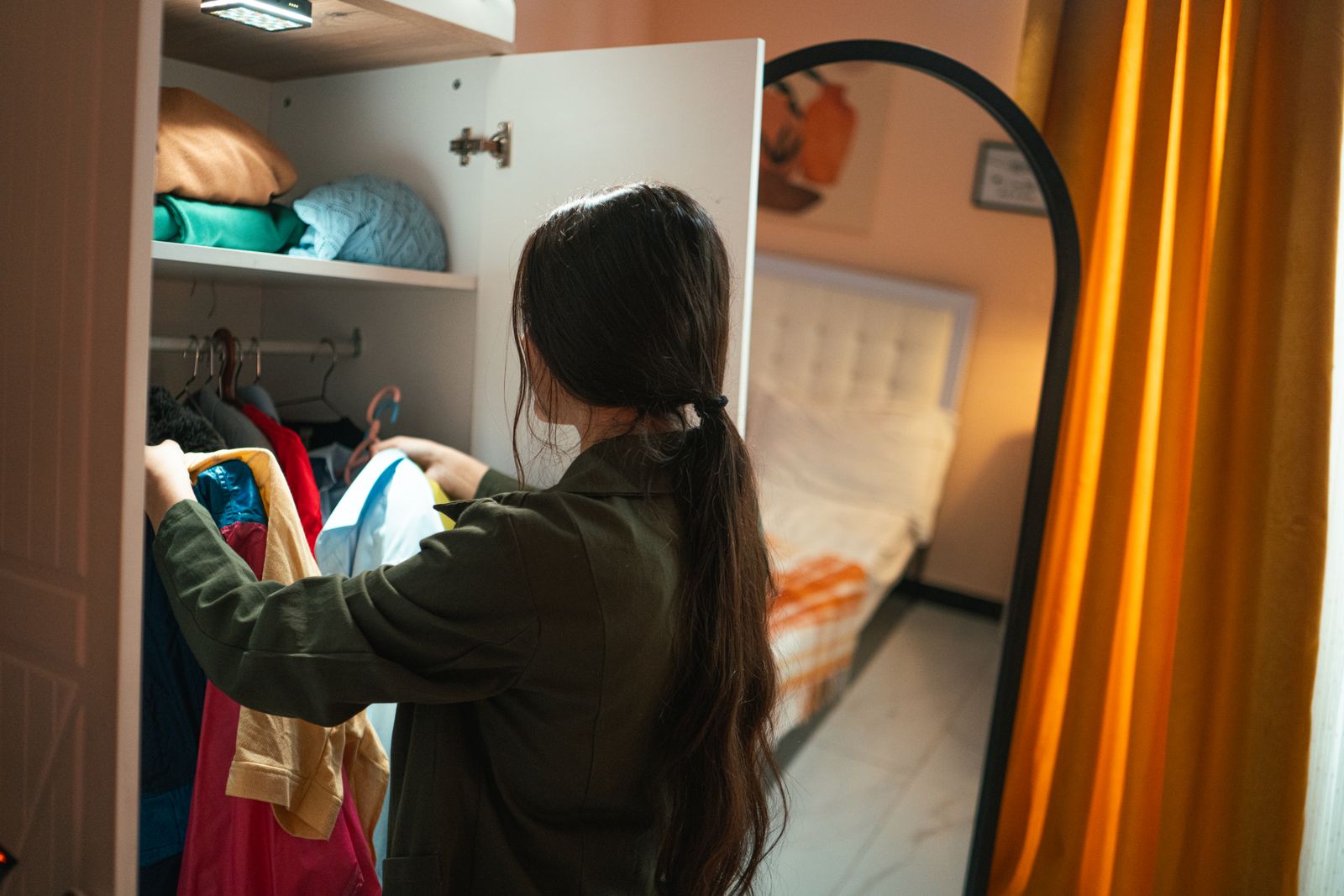
Before this shift, the student struggled with constant interruptions from their roommate. Whether it was loud music, phone calls, or general chatter, each noise made focusing on work nearly impossible. Frustration mounted over time, leading to the decision to move the desk away from the chaos and into the quiet confines of the closet.
However, now the challenge is beating the heat in that closet. The student recently acquired a Costway portable air conditioner, which has the added feature of heat, to create a comfortable working environment year-round. Yet, there’s a catch: the closet doesn’t have a window, leaving the student scrambling for a way to vent the AC unit effectively.
The solution they considered involves running the exhaust hose under the door and aiming it toward the bathroom exhaust fan. While this idea seems unconventional, the desperation for cool air has pushed the student to explore all possible options. They’ve turned to a public forum seeking advice on this innovative yet sketchy workaround.
One person told them that running the exhaust hose under the door could work temporarily, as long as the AC unit doesn’t overheat. Another reader suggested that creating a small opening near the bottom of the door could help with airflow and ensure the AC functions adequately. These suggestions reflect a variety of creative ideas that people have utilized when faced with similar situations.
However, the student remains cautious about this approach. The exhaust from an air conditioner is typically hot air that needs to be expelled efficiently. Venting it into a bathroom exhaust fan may not be the most effective strategy. Concerns linger about whether this could lead to an inefficient cooling system or worse, potential damage to the AC unit and the ventilation system of the apartment.
This predicament highlights a significant issue many apartment dwellers face: how to adapt living spaces to fit their needs while working with the limitations of the structures themselves. The student’s experience is relatable for anyone who has ever lived with a troublesome roommate or dealt with the challenges of inadequate ventilation and heating systems.
Beyond the immediate concern of cooling the closet, there’s the broader context of roommate relationships and the compromises often necessary in shared living arrangements. It’s not just about finding solace from noise; it’s also about preserving one’s mental health and productivity.
As the student navigates this situation, they are still left pondering whether to stick with their current plan or explore other methods to keep the closet cool. The idea of venting the AC toward the bathroom fan seems risky, yet the need for relief from the heat is pressing. They aren’t ready to abandon the comfort they’ve found away from their roommate’s interruptions.
This scenario raises a question that resonates with many: how far will someone go to create a peaceful workspace in a less-than-ideal living situation? The decision to venture down an untested path using a portable AC underscores the lengths individuals will go to when seeking comfort and concentration.
While there are no straightforward answers, the ongoing dialogue about inadequate living conditions and creative solutions remains vital. The student may yet discover a way to make their work-from-home situation more bearable, even if it involves some unconventional tactics.
As they mull over their options, the pressure of the heat weighs on them. Will they risk the potential chaos of hot air swirling around their closet in pursuit of a chillier work environment? The decision remains open.
More from Vinyl and Velvet:

Leave a Reply