

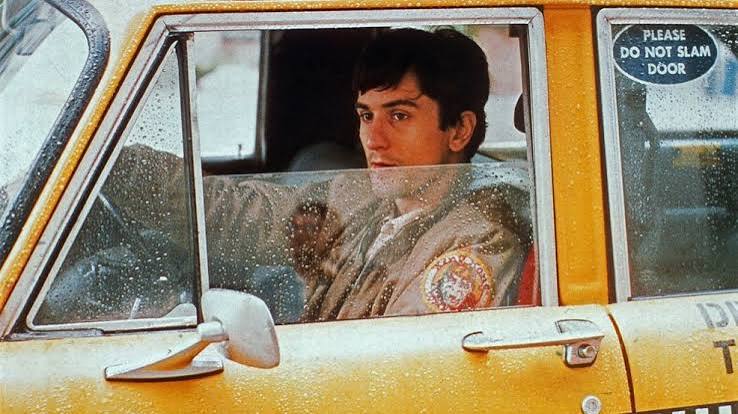
Taxi Driver turns 50 this year, and the film that got a mixed reception at its own Cannes premiere ended up walking away with the festival’s top prize. Martin Scorsese’s portrait of a sleepless, spiraling New York cabbie hit theaters in February 1976 with Robert De Niro as Travis Bickle, alongside Cybill Shepherd and a 13-year-old Jodie Foster. It wasn’t a quiet arthouse release, either. The film climbed all the way to the No. 1 spot at the box office in its sixth week, according to Parade, and it hasn’t loosened its grip on the American film canon since.
Cannes Wasn’t Sure What to Do With It
The film’s reception in France set the tone for decades of debate about it. Despite a divided response at its premiere, Taxi Driver took the Palme d’Or, the top prize at the 29th Cannes Film Festival, and went on to collect four Oscar nominations back home, per Parade. That combination, a movie critics fought over and audiences still turned into a box-office hit, is rare enough that it has become part of the film’s own legend.
De Niro Drove an Actual Cab to Get the Part Right
Robert De Niro didn’t just study the role. He lived it for a month first. According to AOL, De Niro obtained a real New York City taxi license and worked 15-hour shifts picking up actual passengers, absorbing what the outlet described as “the rhythm, language and loneliness of the job.” Only one rider recognized him the entire time, despite his recent Oscar win for The Godfather Part II. He also recorded conversations with Midwestern soldiers to help build Travis Bickle’s flat, disconnected voice, and reportedly took just $35,000 to play the role, a fraction of what he could have earned elsewhere that year.
Jodie Foster’s Casting Came With Real Guardrails
Foster was 12 when she was cast as Iris, a role that required specific protections most child actors never need. Her older sister Connie, who was over 18 and similarly built, stood in for scenes involving sexually suggestive content, and California’s Board of Education required Foster to demonstrate she was, in her own words reported by AOL, “competent” enough for the material given her age. Foster has described having her sister on set as feeling like “a family affair thing,” noting it was “nice” not to be alone with such heavy scenes at 12 years old.
The Most Famous Line Wasn’t in the Script
Travis Bickle’s mirror monologue, “You talkin’ to me?”, never appeared on the page. De Niro improvised it on set, reportedly borrowing the loose, talk-to-yourself energy he had seen watching Bruce Springsteen work a crowd, according to Parade’s anniversary retrospective. Screenwriter Paul Schrader had written a much shorter beat there. The version that stuck, rambling, paranoid, and endlessly quotable, became one of the single most repeated lines to come out of 1970s American cinema.
The Mohawk Everyone Remembers, and What We Actually Know
Travis Bickle’s shaved-sides haircut, worn only in the film’s final act, remains one of the most recognizable images in Scorsese’s filmography, still reproduced on posters, T-shirts, and Halloween costumes five decades later, per an ABC 33/40 retrospective on the film. Various accounts point to a specific real-world inspiration behind the look, but no clean, verifiable interview traces it definitively enough to state as settled fact here. What’s certain is the effect: the haircut arrives right before Travis’s violent unraveling, and it still reads as a warning sign fifty years later.
A Score Finished Just Before the Composer Died
Taxi Driver’s tense, brass-heavy soundtrack turned out to be the final work of legendary film composer Bernard Herrmann, best known for his scores on Psycho and Vertigo. According to NPR, Herrmann composed the Taxi Driver score in 1975, the same year he died, closing out a decades-long career with a sound that felt entirely different from his earlier suspense work. The music still gets cited by film composers as a case study in how a soundtrack can do half the storytelling on its own.
Taxi Driver has spent five decades being rediscovered by new audiences, cited by filmmakers from Paul Thomas Anderson to the Safdie brothers, and it keeps showing up on best-of lists that have otherwise turned over entirely since 1976. Fifty years after a sweaty, sleep-deprived Scorsese pushed the film through the Cannes gauntlet, it remains the era’s definitive portrait of urban isolation, just with a fresh city to feel true in every few years.

Leave a Reply