


A woman at a bar had an unexpected confrontation that shed light on the judgment surrounding body image. While waiting for her husband, she overheard a group nearby mocking her appearance, specifically her breast implants.
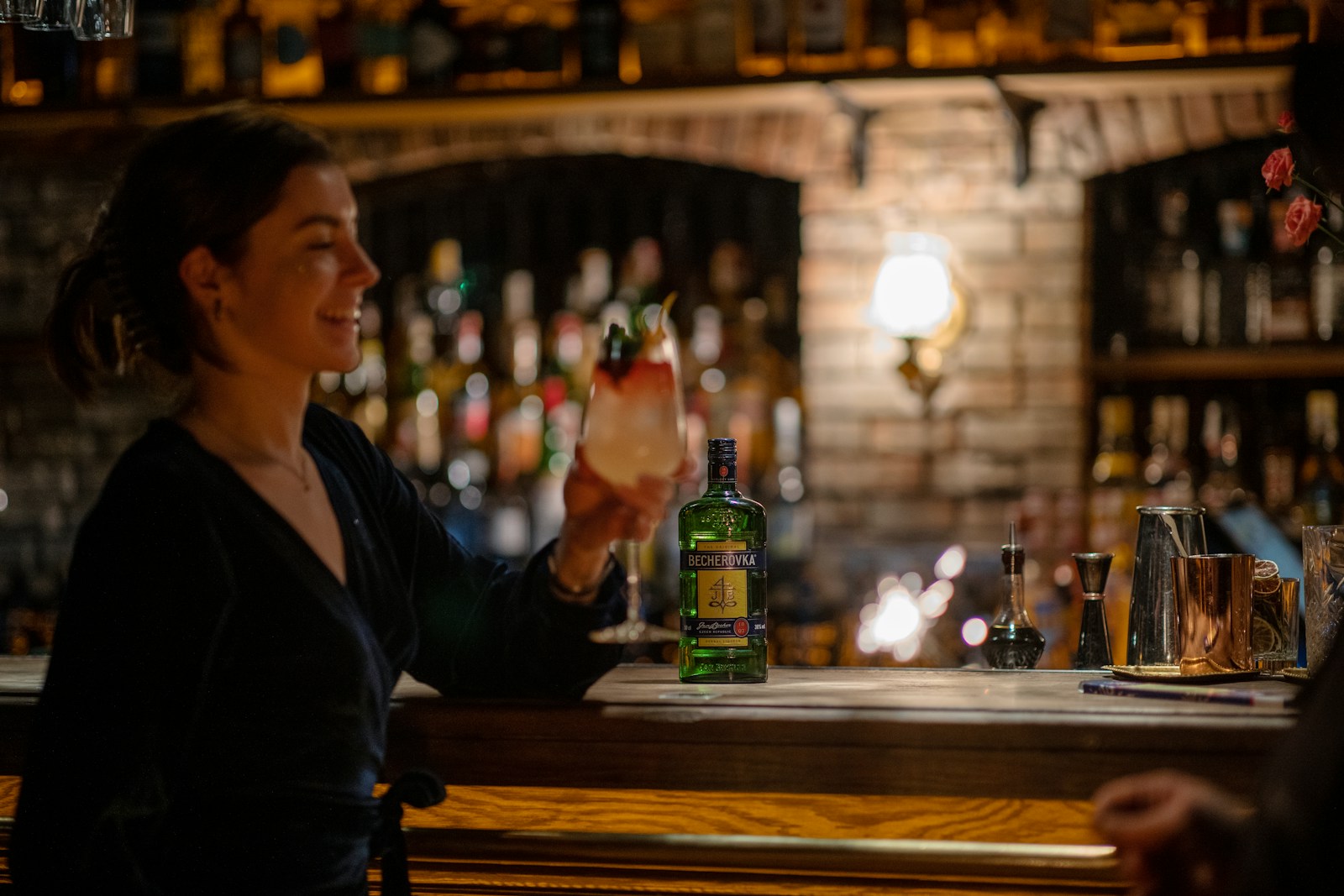
The encounter took place on the couple’s anniversary. She wore a low-cut blouse, allowing her to feel confident in her new breasts after undergoing a double mastectomy due to hereditary breast cancer. Although she was proud of her strength in facing the illness, the aftermath of her surgery left her with new breasts that had not yet settled, making them look different from what many might consider “natural.”
As she enjoyed her time at the bar, she heard the drunken comments from the nearby group. They were loud and dismissive, expressing disdain for women with breast implants while labeling them as “fake.” The comments were harsh and, for a moment, it felt as if they were all talking directly about her.
Feeling frustrated but determined to stand up for herself, she turned to the group and asked, “You know what I hate more than fake breasts?” The sudden silence that fell over the group showed her words had caught them off guard.
“Breast cancer,” she stated plainly. The impact of her words was immediate. The tone shifted from mockery to awkward murmurs, and someone in the group uttered, “Shit, sorry…” before they quickly gathered their things and left. The tension in the air enveloped the bar, marking a stark contrast to the earlier boisterous atmosphere.
When her husband arrived soon after, they shared a laugh about the encounter, turning an uncomfortable moment into a bonding experience. The incident highlighted a reality many face regarding body image and the judgments cast without context.
This incident is a reminder that not all stories are visible at first glance. The judgments made on appearance can often overlook deeply personal battles. Her experience resonates with many who have faced similar situations, where assumptions shape perceptions unfairly.
One person reflected on her story, saying it emphasizes how vital it is to consider what someone might be going through. “You never know what people are fighting,” they noted. This sentiment captures the essence of empathy, urging everyone to think before casting judgments.
As the woman enjoyed the rest of her evening, she couldn’t shake off the contrast of emotions from that brief confrontation. She had reclaimed a moment of power, standing up to a group that was quick to judge without understanding her journey. The evening was supposed to be a celebration, and despite that moment, she managed to find the joy in being with her partner.
Another reader remarked on how important it is to approach others with kindness, stating, “You have no idea what someone has been through.” The idea of empathy and understanding is critical, especially in social settings where people often feel free to express opinions without considering the consequences.
As the woman wrapped up her night, she reflected on how public perceptions can often overshadow personal truths. She had faced a battle with breast cancer and made choices to reclaim her life and body, yet all some could see were assumptions based on appearance. The experience resonated with her, transforming a moment of mockery into a powerful reminder of resilience.
Even as she left the bar that night, the encounter lingered in her mind. Her laughter with her husband turned bittersweet as she processed how different people respond to appearances, often detached from the reality behind them. Should she speak up more often when faced with ignorance, or was walking away the best way to handle it?
Ultimately, she faced a choice. To continue sharing her story or let it be a moment that faded away. The power of her words had an effect, even if only for a fleeting moment, challenging those around her to question their assumptions. She had given a face to the issue, but what next?
More from Vinyl and Velvet:

Leave a Reply