


A 48-year-old stepfather’s harsh response to his 12-year-old son’s injury has raised eyebrows online, especially considering the boy’s history of self-harm. The boy was reportedly injured by the family dog while under the stepfather’s supervision, leading to a dramatic confrontation once the father returned home.
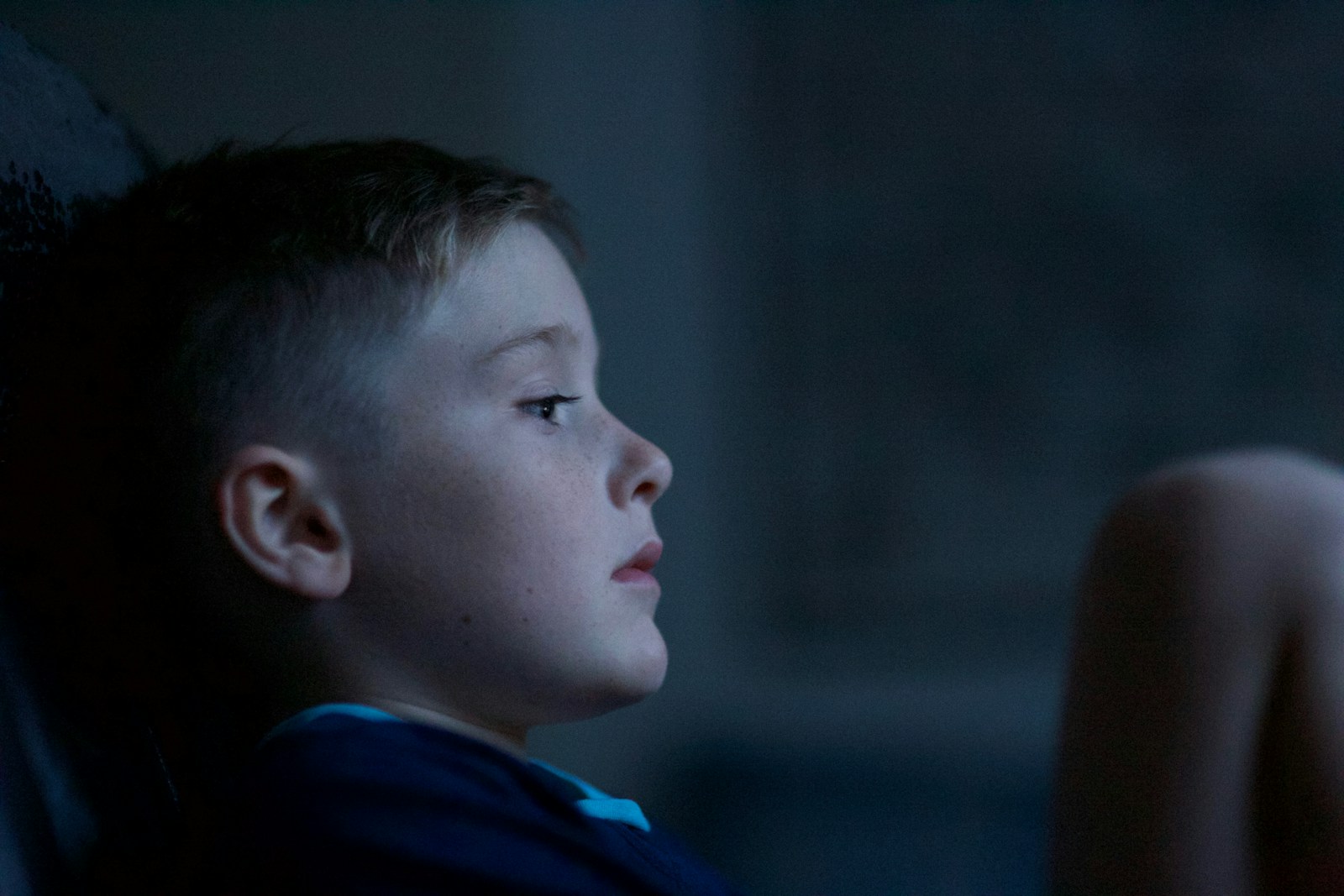
As the stepfather and his partner were busy packing for a move, they had instructed the boy to watch over his younger brother and the family dog, which has attachment issues. When they arrived back home, the 12-year-old was crying and claimed that the dog had caused him a significant injury. The stepfather, however, dismissed the boy’s pain, believing he was exaggerating to gain attention.
“My dog would never hurt my child that bad,” he stated, expressing disbelief over the depth of the cut the boy described. Instead of offering comfort, the stepfather snapped at his son, attributing his behavior to his history of self-harm, a tactic he believed was used in the past to elicit attention from adults. This reaction has led to further strain in their relationship.
After the confrontation, the stepfather’s frustration was compounded by the stress of the moving process. “I was so tired… I snapped,” he wrote in a Reddit post seeking validation or criticism for his actions. His wife defended him, suggesting that his stress played a role in his response. Yet, the boy’s reluctance to speak to him afterward indicates that the damage may have been done.
Many online observers found the stepfather’s approach concerning. One person noted how dismissing the child’s injury could lead to lasting trust issues. They pointed out that children often need reassurance rather than skepticism, especially in moments of distress. “You can’t just label a child’s pain as drama,” the commenter argued.
Another reader emphasized the importance of addressing a child’s emotional state. “Just because he has a past doesn’t mean he is being dramatic now. You should listen and not dismiss him,” they suggested. The sentiment echoed a common theme in responses, advocating for empathy in parenting, particularly when mental health histories are involved.
In light of these reactions, it appears many believe that the stepfather’s past comments and attitudes toward self-harm were inappropriate, irrespective of his son’s previous behavior. They argue that the child’s current emotional distress warranted a different approach—one grounded in support rather than skepticism.
The stepfather’s admission that he treated the situation as a performance reveals a deeper issue about how he perceives his son’s mental health struggles. While he may view the boy’s past self-harm as a cry for attention, this perspective can be harmful. It risks invalidating genuine moments of hurt and emotional turmoil that children experience.
This incident has sparked a conversation about parenting styles and how past behaviors can cloud current perceptions of a child’s needs. Dismissing a child’s injury, especially one that could be distressing, can lead to feelings of isolation and hurt. The stepfather’s statement that he is unsure why his son is now unwilling to talk to him suggests a disconnect that could have been avoided through better communication.
As the story unfolds, it remains to be seen how the family will navigate these troubled waters. The young boy’s silence speaks volumes, indicating that he may need reassurance of his worth and feelings rather than dismissal. The stepfather’s self-reflection will be crucial if they aim to mend their relationship.
Parents and guardians are often tasked with striking a balance between concern and discipline. In this case, the stepfather’s reaction raises important questions about how to respond when children express pain. Validating their feelings can foster trust and open communication, steering clear of misunderstandings.
As the 12-year-old continues to grapple with the aftermath of the dog incident and his stepfather’s comments, the family dynamics may shift. The path to reconciling their relationship seems fraught with challenges, requiring both sides to engage in an understanding dialogue.
More from Vinyl and Velvet:

Leave a Reply