

One of the eeriest horror films of the 1960s did not come from a Hollywood studio. It came from a small group of Kansans who usually made educational and industrial films, a $50 rental on an abandoned lakeside pavilion, and a budget of about $30,000. TikTok film history creator @hollywoodhistory calls Carnival of Souls “one of the most iconic horror films of the 1960s” and one of their personal favorites, and the video explains how this little movie was made against all odds.
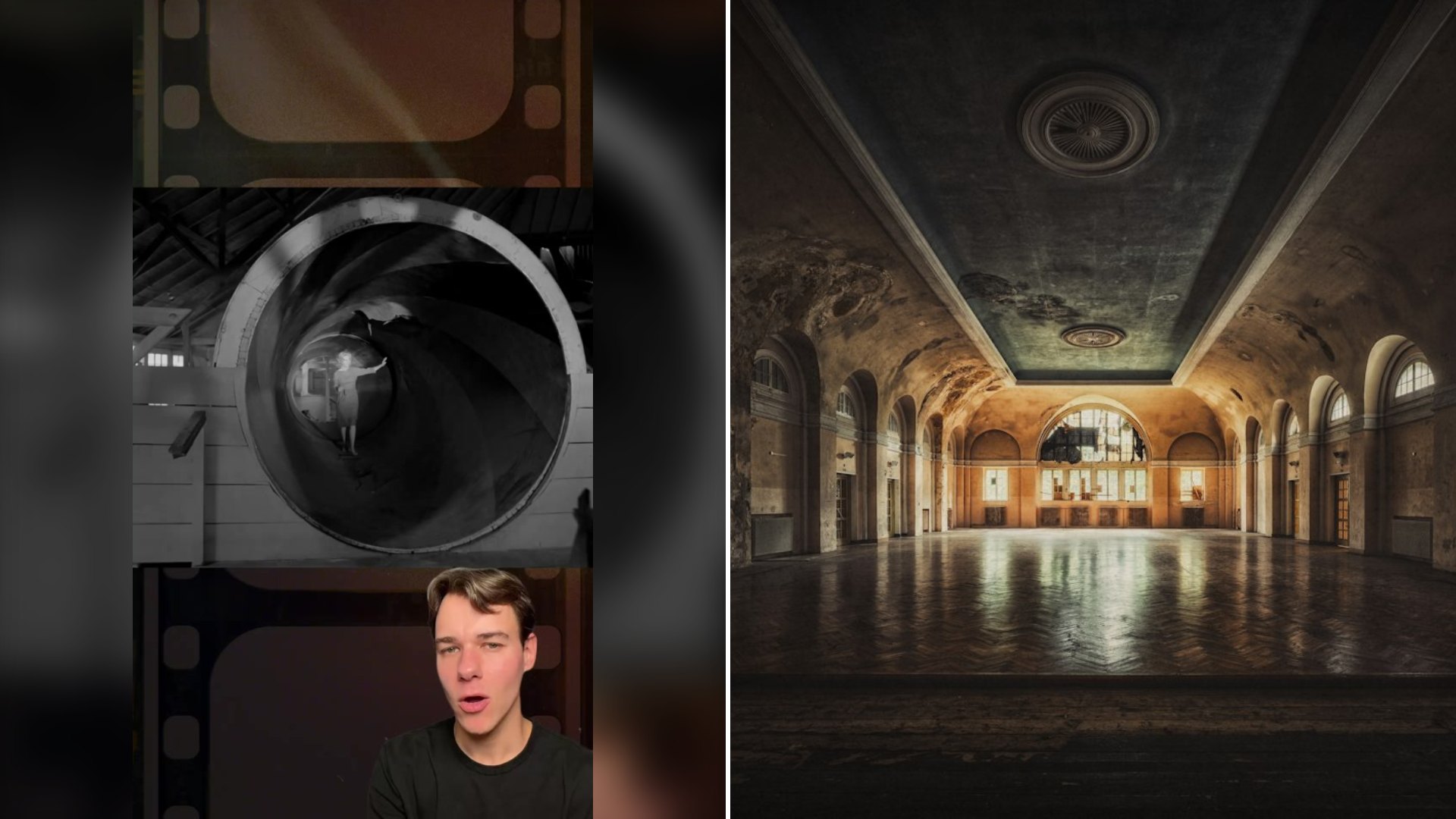
The story begins in 1961. Herk Harvey, who made industrial and educational films in Kansas, was driving back home when he passed a decaying resort called Saltair. “The pavilion had been a destination for swimming, dancing, and entertainment,” the creator explains, “but by the early 1960s it was sitting abandoned beside the Great Salt Lake.”
Harvey discovered he could rent the whole place for only $50.
Back in Kansas, he went to his co-worker, writer John Clifford, and asked him to write a movie that ended with creatures dancing inside the abandoned ballroom. Clifford wrote the screenplay in about three weeks and built the story around locations they could get cheaply.
That practical thinking shaped the entire plot. Clifford knew the Reuter Organ Company in Lawrence and thought it would look great on film, so he made the main character an organist. He then gave her a job at a church in Salt Lake City, so she would have a reason to drive past Saltair.
@hollywoodhistory
A Movie Made on a Shoestring
The money was tight from start to finish. Harvey first raised about $17,000, then another $13,000 to complete the film, bringing the total to around $30,000.
Candace Hilligoss, the lead, was the only professional actor in the movie. She was paid $2,000, which, as the creator notes, she later said felt like a fortune. The rest of the cast was mostly found around Kansas. The crew numbered only about six people, and they shot the film in about three weeks.
The filmmakers got creative wherever they could. For a department store scene in Salt Lake City, the crew “basically walked in, paid a real sales clerk $25 and had her perform as an actor in the scene.”
The result, as the creator describes it in the caption, is a “relatively simple film, but very atmospheric.” The video praises the organ score as “a great match for the black and white photography,” noting that it gives the movie a unique feel, with the main character almost always isolated.
A Flop That Refused to Die
When Carnival of Souls premiered in 1962, it did not do well. The creator explains that almost everyone rejected it because it did not have enough romance or violence for the audiences of the day.
A small distributor finally took it on and later sold bootleg prints to television stations. Those copies, ironically, are what kept the movie alive. Carnival of Souls found its audience on late-night TV, where people who stumbled across it never quite forgot it.
Harvey went back to industrial filmmaking, where he made hundreds of educational and commercial films over his career. Carnival of Souls is the only theatrical feature he ever made. Today, the creator notes, the film exists in a restored 4K edition from Criterion, and it stands as “a great example of independent horror.”
Why It Still Works, and How to Watch It This Halloween
For anyone who has never seen it, the setup is simple. Hilligoss plays Mary Henry, a young woman who survives a terrible accident when the car she is riding in plunges off a bridge into a river. Afterward, she leaves town for a job as a church organist and finds herself haunted by a pale, ghostly man and strangely drawn to the empty pavilion by the lake. Harvey himself plays that eerie figure.
Part of what makes the film unsettling is what it leaves out. There is very little gore, no big special effects and not much explanation. Instead, it relies on mood: long, quiet shots, empty spaces, the strange sound of the organ and a heroine who seems more and more cut off from everyone around her. Fans and filmmakers have long pointed to its influence on later horror, including George A. Romero’s Night of the Living Dead.
It is also a wonderful film for anyone who prefers chills to blood. If you grew up on the black and white monster movies and spooky late-show broadcasts of the 1950s and 1960s, Carnival of Souls will feel familiar in the best way.
Here are a few easy ways to make it part of your Halloween season:
- Look for it on streaming. The film turns up on several free and subscription services, and its long history on television means plenty of versions are floating around. For the best picture, seek out the restored edition.
- Check your library. Many public libraries carry classic films on DVD and Blu-ray, and some offer free streaming services with a library card.
- Make it a double feature. Pair it with another black and white classic for an old-fashioned spooky movie night with the grandkids. At about 80 minutes, it is short enough for an evening.
- Watch with the lights low. This is a movie about atmosphere, and it plays best in a dark, quiet room.
Not bad for a $50 ballroom, a Kansas organ factory and a crew of six. As @hollywoodhistory says in the caption, it is one of their favorites to watch around Halloween, and after hearing how it was made, it may become one of yours, too.
More From Vinyl and Velvet
- If You Were Born In 1986 You Are Now 40 And Remember The GE Alarm Clock Kmart Popcorn And Subs And The Wacky Wall Walker Crawling Down The Paneling
- Why some records have a giant hole in the middle and others a tiny one comes down to a format war between Columbia and RCA that jukeboxes quietly helped RCA survive
- 31 year old opens a pile of late night nostalgia orders from his childhood including a 20 dollar wooden Plank from Ed Edd n Eddy, a glowing Poke Ball and a talking Magic Conch shell

Leave a Reply