

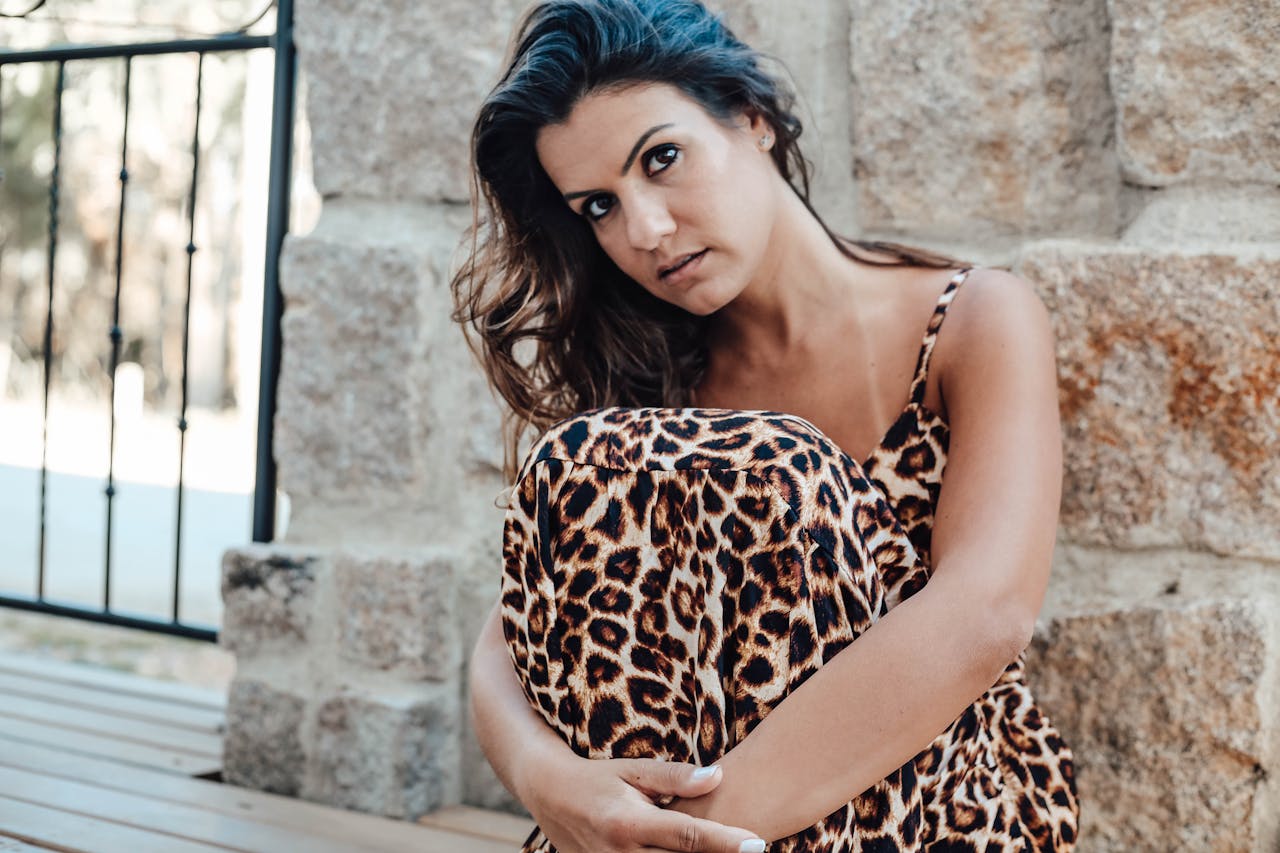
On July 8, 1996, a song reportedly recorded in under an hour hit British radio and set off a five-way fashion experiment that outlasted the band’s original lineup. “Wannabe” spent seven consecutive weeks at No. 1 on the UK singles chart, the second-longest reign by an all-female act in British chart history, trailing only Shakespears Sister’s “Stay.” Thirty years later, the chorus is still inescapable at karaoke night, but what’s held up just as well is the styling behind it: five distinct, mass-marketable personas built into one girl group, each one still turning up on runways, red carpets and Halloween costume racks. The Spice Girls didn’t just sell records. They sold five different closets.
That wasn’t an accident of five friends who happened to dress differently. The lineup came together through open auditions at a London dance studio in March 1994, and the “Girl Power” branding that followed leaned hard on the idea that fans could pick a favorite and copy her, specifically, rather than the group as a blur. Thirty years on, that persona-first playbook is still how boy bands and girl groups get built, right down to the assigned “types.”
Ginger Spice and the Dress That Made Fashion History
Geri Halliwell’s most famous outfit wasn’t planned as a fashion statement at all. At the 1997 Brit Awards, she decided her black Gucci dress was too plain on its own, so she had her sister Karen stitch a Union Jack tea towel onto the front and add a peace symbol to the back, according to CNN. The improvised patriotic mini became shorthand for the “Cool Britannia” mood of late-1990s Britain — brash, a little chaotic, unbothered by good taste — and it worked well enough that Hard Rock Cafe co-founder Peter Morton bought the actual dress at auction the following year for £41,320, at the time reportedly the most expensive piece of pop-star clothing ever sold at auction, CNN reported. Every attempt since to repeat the trick, including a later flag-print clothing line from Halliwell herself, has landed with a shrug, which suggests the moment mattered more than the formula.
Scary Spice Turned Leopard Print Into a Personality
Mel B treated animal print less like a pattern and more like a mood. Looking back three decades later, Who What Wear singles out her rotation of leopard-print coats as the most instantly recognizable wardrobe choice in the group, essentially inseparable from her stage persona. Leopard print didn’t originate with the Spice Girls, but Scary Spice’s version of it — worn loud, worn constantly, paired with combat boots instead of anything demure — helped drag the pattern out of 1980s excess and onto a decade of teenage bedroom posters.
Posh Spice’s Uniform Was Simpler Than It Looked
Victoria Beckham’s contribution to the group’s fashion legacy was subtraction, not addition. While her bandmates leaned into color and print, she built a rotation around tight little black dresses and minimalist tailoring, an aesthetic Who What Wear still holds up as work that reads current decades later. It isn’t a coincidence that Beckham went on to found an actual fashion label built almost entirely on the same idea: clean lines, dark colors, a dress that does the talking without needing a slogan across it.
Sporty Spice Was Wearing Athleisure Before the Word Existed
Mel C spent the mid-1990s in tracksuits and trainers at a moment when that combination read strictly as workout clothes, not outerwear. Retrospective coverage now credits her with making athleisure “a thing decades before it happened”, per Who What Wear — a description that looks less like exaggeration and more like a plain summary of a sportswear-as-streetwear market that barely existed when “Wannabe” came out.
Baby Spice’s Platforms Solved an Actual Problem
Emma Bunton’s baby-doll dresses and pigtails got most of the attention, but the platform trainers underneath were doing structural work. Bunton has said she fell short of the group’s roughly 5-foot-3 height requirement and started wearing chunky Buffalo platform sneakers from a Covent Garden shop to close the gap, according to Parade — a practical fix that turned into one of the era’s most-copied shoe silhouettes almost by accident.
None of these looks needed a stylist’s mood board to work, and that’s arguably the actual lesson. The Spice Girls turned five ordinary wardrobe categories — a flag dress, a print, a black dress, a tracksuit, a platform shoe — into five separate, instantly identifiable personal brands, and pop groups have been trying to replicate that trick, with mixed success, ever since.

Leave a Reply