

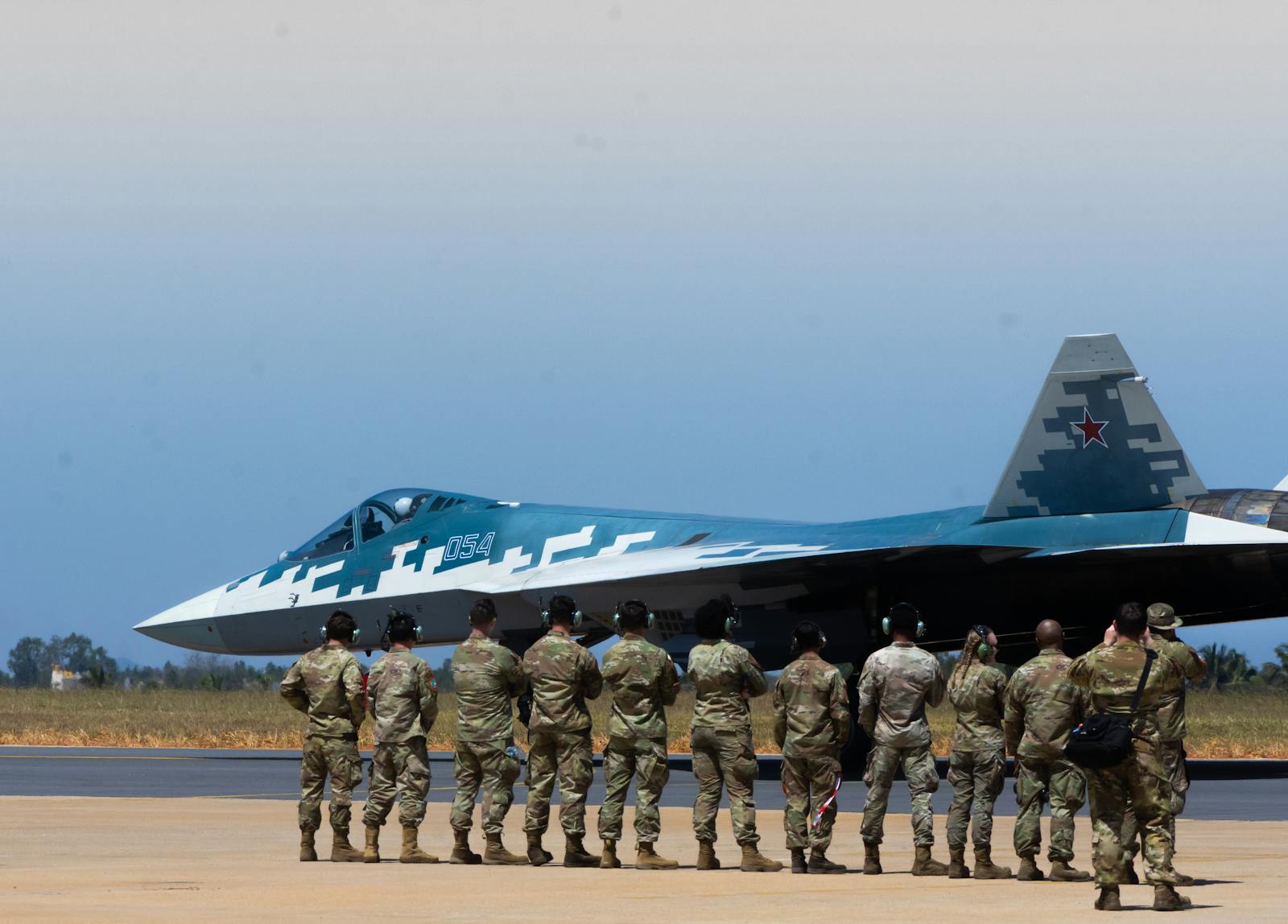
During a recent military exercise at a Spanish air base, confusion erupted over the ever-changing vehicle registration rules imposed by local authorities. American troops, who deployed to the base along with around 200 personnel, faced increasing restrictions that forced them into an unexpected compliance crisis.
Initially, the process of registering rented vehicles went smoothly. A small advance team of about 15 airmen arrived to prepare for the main group’s arrival and managed to register around 50 rented cars with little hassle. Each person was permitted to register up to five vehicles under their name, allowing for an efficient handover of keys upon the rest of the group’s arrival.
However, this cooperation soon hit a wall. After just a few days, an official notice arrived that completely reversed the initial agreement: each person was now only allowed to register a single vehicle. This sudden change forced the airmen to scramble and transfer excess registrations among themselves, running back and forth to the gate for nearly two hours to comply with the new rule.
But even this arrangement didn’t last long. Just a week later, soldiers trying to leave the base found no exit unless the person whose name appeared on the vehicle’s registration was present in the car. This created an impossible situation, as the troops were assigning vehicles based on operational needs rather than the arbitrary rule set by the Spanish authorities.
After pleading for a more workable solution, the troops were met with a dismissive attitude. The authority’s response that “if it was absolutely necessary, the vehicle could simply be re-registered” felt less like a solution and more like a method of bureaucratic harassment. Frustration bubbled up among the airmen as they realized these arbitrary rules were creating significant delays and unnecessary chaos.
In an unexpected twist, the soldiers decided to engage in a form of “malicious compliance.” They instructed their fellow airmen to start driving to the gate in pairs, swapping vehicles as necessary, and constantly re-registering them. The volume of re-registrations skyrocketed, with approximately 50 changes occurring each day. The guard office soon became overwhelmed with paperwork, creating a backlog that made the enforcement of the original rule impractical.
Within just two days of this countermeasure, the authorities appeared to relent. No longer did it matter whether the registered person was present in the vehicle. The ordeal quickly lost its rigidity, demonstrating how the power of collective action among the airmen forced a change in policy.
This saga serves as a reminder of how quickly rules can shift and how creatively people can respond to bureaucratic red tape. A situation that started with a seemingly straightforward task of vehicle registration devolved into a game of cat and mouse between military personnel and local authorities. The airmen’s strategy of flooding the guard office with re-registrations turned a frustrating experience into a humorous rebellion against absurd regulations.
While the details of the exercise, including the playful tactics used by the U.S. personnel, may fade over time, the lessons about the unpredictable nature of military bureaucracy and the resilience of service members remain clear. Many can relate to the frustration of dealing with arbitrary rules that seem to serve little purpose beyond creating obstacles.
One reader pointed out, “It’s ridiculous how these rules seem to come out of nowhere. It’s like they’re trying to make life harder for everyone involved.” Another echoed the sentiment, saying, “Sometimes you have to play their game to turn the tables.”
The humorous angle of this tale doesn’t overshadow the realities of operational logistics in military exercises, nor does it erase the hassle of compliance faced by the troops. It highlights the creativity and spirit of those who serve, revealing how they adapt to the quirks of military life while maintaining operational readiness.
As the airmen forged ahead, they were left with a story that encapsulated their wit and ability to handle unexpected challenges. The playful back-and-forth between soldiers and the Spanish authorities, while amusing, also raises questions about the effectiveness of communication and collaboration during international exercises.
More from Vinyl and Velvet:

Leave a Reply