

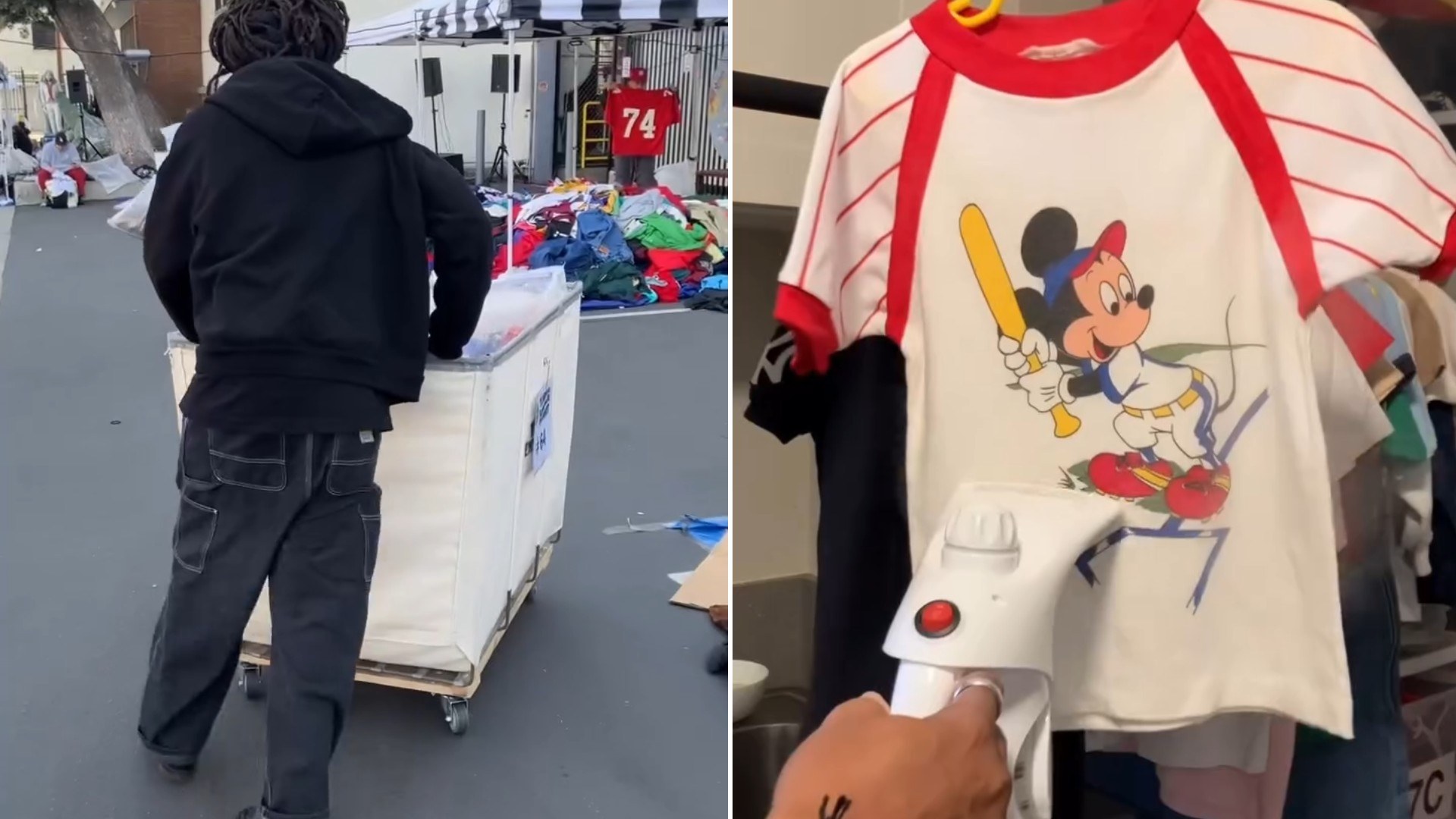
Two years is long enough to know whether a business idea was a fluke or something real, and for creator @usedtocarry, the anniversary of her vintage children’s clothing business became a moment worth reflecting on in full. Rather than simply posting a quick celebratory message, she used the milestone to narrate the entire process that keeps her shop running, from digging through bins in search of old kidswear worth saving, to hand washing each piece with care, to finally packing everything up and shipping it out to customers who are, in a very real sense, giving these tiny garments a second childhood.
What stands out most in her reflection is the credit she gives to the original video that launched her shop in the first place, describing it as the moment that changed the rest of her story. That’s a detail worth sitting with, because it captures something a lot of small business owners experience but rarely articulate so clearly: the way a single post, sometimes made almost on a whim, can quietly redirect the entire trajectory of someone’s life and work. Businesses built on passion often don’t start with a five-year plan. They start with one video, one sale, one small proof of concept that convinces someone their idea might actually have legs.
View this post on Instagram
Vintage children’s clothing occupies a genuinely interesting niche within the broader secondhand fashion world. Kidswear generally gets outgrown far faster than adult clothing, which means a huge amount of it barely shows wear before it’s passed along, donated, or simply forgotten in a bin somewhere. That turnover creates a steady supply of genuinely well-preserved vintage pieces for someone with the patience and the eye to sort through it all and find the pieces worth saving, which is exactly the unglamorous part of the process she highlights: the digging through bins that happens long before anything gets photographed for a listing.
The hand washing step deserves particular attention too, because it’s the kind of detail that easily gets overlooked by customers who only ever see the finished product. Vintage fabric, especially anything decades old, often can’t handle the same washing methods as modern clothing without risking damage, shrinkage, or fading. Taking the time to hand wash each piece individually, rather than running everything through a machine in bulk, is exactly the kind of labor-intensive care that separates a genuinely thoughtful small vintage business from a mass reseller simply moving volume as quickly as possible. It’s slower, it’s more work, and it’s also precisely why customers trust businesses like this one to deliver items in condition that matches what was promised.
There’s something worth noting, too, about the emotional dimension of selling children’s clothing specifically, as opposed to adult vintage fashion. A lot of buyers aren’t simply looking for a good deal or an interesting design; they’re often parents looking to dress their own kids in pieces that carry a sense of history, sometimes even echoing styles the parents themselves wore as children. That adds a layer of sentimentality to the transaction that doesn’t exist in the same way with most other resale categories, and it likely explains part of why a business built around this specific niche has managed to sustain itself for two full years rather than fading after an initial burst of interest.
For anyone thinking about starting their own small resale or vintage business, this two-year milestone offers a useful, honest look at what that path actually involves day to day, well beyond the polished final product customers eventually see. It’s digging through bins that may or may not turn up anything worthwhile. It’s the tedious, repetitive labor of hand washing and drying items one at a time rather than in bulk. It’s the packing and shipping logistics that have to happen reliably, order after order, long after the initial excitement of launching has worn off. Businesses like this one succeed not because the founder had some singular stroke of luck, but because they were willing to keep showing up for the unglamorous parts of the process long after the novelty faded.
There’s also a broader point worth taking away about how businesses like this one actually grow over time. It’s rarely a single dramatic moment that turns a hobby into a sustainable income source. It’s small, steady momentum: one video that catches on, then months of quiet, consistent work that most of the audience never sees, then eventually enough repeat customers and word of mouth to reach a real milestone like two years in business. Sharing that whole process rather than only the highlight reel is exactly what makes creators like this one relatable to anyone else considering the same leap, and it’s a reminder that patience and consistency tend to matter more in the long run than any single viral moment ever could.
There’s also something worth appreciating about the choice to build a business around kids’ clothing specifically. It’s a niche with genuine repeat demand, since children outgrow clothing on a predictable cycle, meaning customers who buy once often return months later as their kids grow into the next size. That recurring need gives a business like this a natural rhythm one-off vintage sales simply don’t have.
For anyone weighing whether to turn a personal passion into an actual business, this two-year mark is a useful data point. Two years is long enough to prove a concept works and short enough that the founder still remembers, clearly, what it felt like to be uncertain whether any of it would pan out at all.

Leave a Reply