

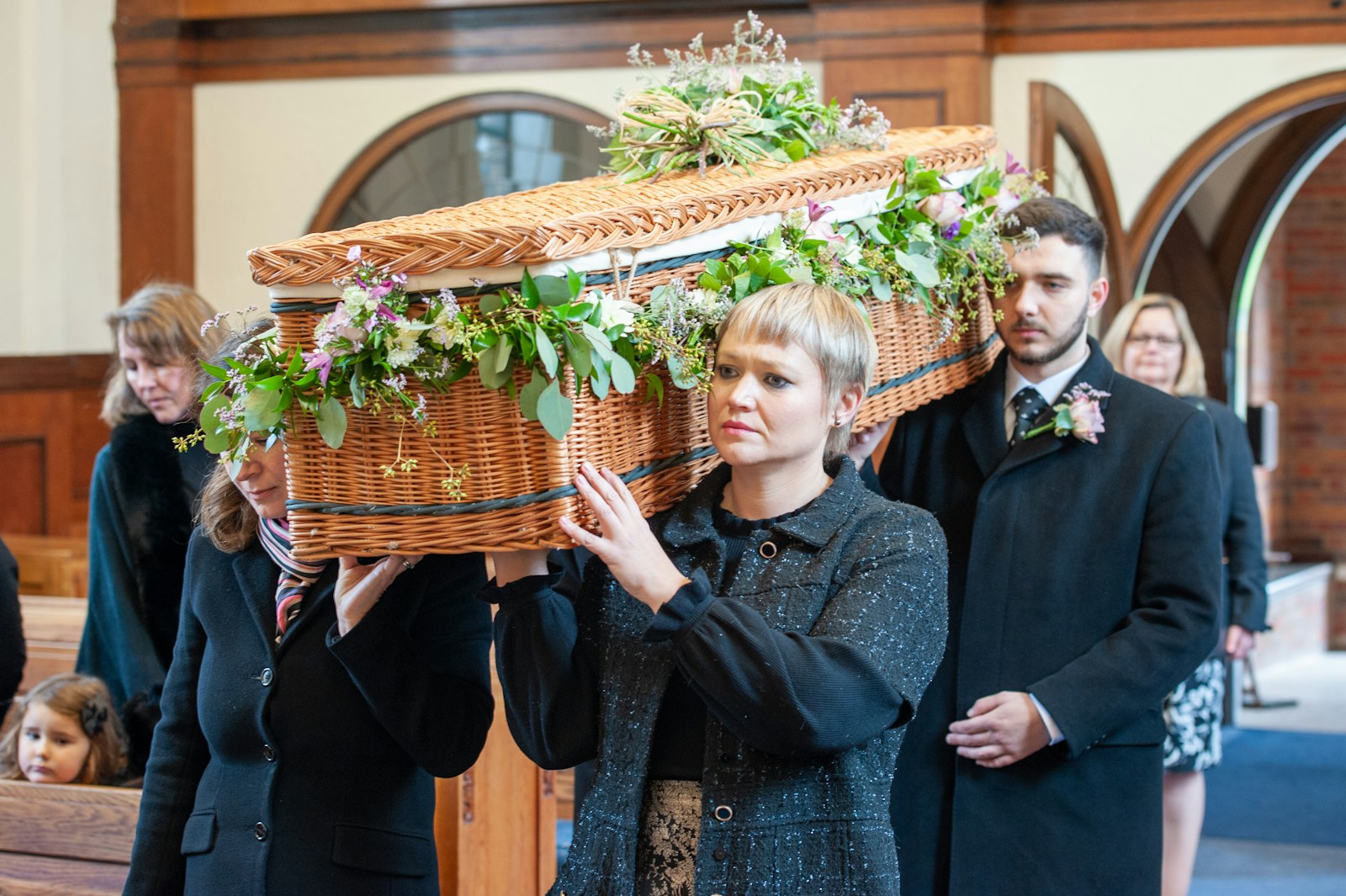
When a beloved family member passes away, emotions can run high, and unresolved conflicts can resurface, complicating the grieving process. In a recent Reddit post that sparked widespread discussion, a woman found herself at odds with her oldest sibling after deciding to honor their father’s wishes regarding his death—wishes that included no formal funeral service and a request for a quiet cremation. The disagreement raised questions not just about family dynamics, but about the obligations of surviving loved ones when it comes to honoring the last wishes of the deceased.
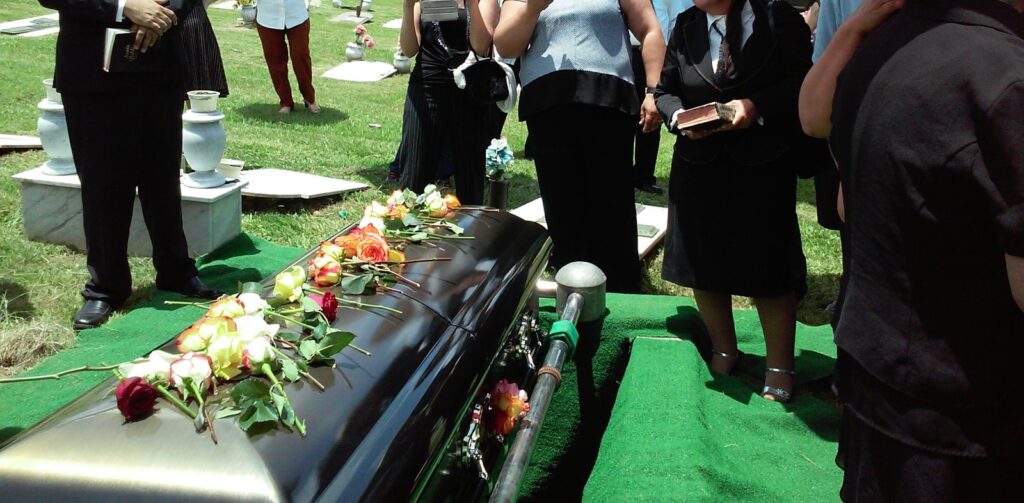
This story begins with a father who led a long life filled with love and challenges, including a battle with advanced Alzheimer’s and heart issues. As he neared the end of his journey at nearly 80 years old, he expressed a clear preference for simplicity. Over the years, he discussed his end-of-life plans with his wife, opting for a quiet passing without the fuss of a big funeral service. Instead, he asked that donations be made to a wildlife refuge he cherished, along with the plans for a private scattering of his ashes in some of his favorite places. His wishes were straightforward and compassionate, aiming to avoid any unnecessary emotional turmoil for his family.
However, the oldest sibling, who had a history of difficult family relationships, was not content with the arrangements. She wanted to hold a formal funeral to provide a gathering place for relatives—many of whom had not been in contact with their father for years, and some whom he had actively distanced himself from in life. This sibling’s desire for a larger production at the end of their father’s life brought to light the complexities that often accompany familial grief. It also raised the question: should the needs and wishes of the living take precedence over the final requests of the deceased?
Complicating matters further, the sibling’s request echoed a past familial conflict tied to their father’s first marriage. Their oldest sibling had previously refused to delay the funeral for their father’s first wife, which prevented another sibling from attending. This refusal fostered a rift that endured for over 15 years. The current family dynamic was fragile, and their mother was understandably apprehensive about repeating history. She wanted to avoid additional strife and heartache for her family during a time already heavy with grief.
In the wake of their father’s passing, the situation raises many questions about how families handle the end of life. While some may argue that honoring the deceased’s wishes is paramount, others may insist that a communal grieving process through a traditional funeral serves an essential role in closure for the living. In this specific case, however, it appears that the family chose to prioritize their father’s expressed desires over the expectations of family members who had a tenuous relationship with him.
Despite the emotional upheaval, the decision not to hold a funeral was ultimately rooted in respect for their father’s life and preferences. After decades of navigating complicated family relationships, the surviving spouse and children opted for a route that felt true to the man they knew and loved. They understood that funerals often serve to appease the living, and in this instance, the family felt more at peace honoring the quieter, more personal wishes laid out by their father long before his health began to decline.
In the age of social media and public displays of grief, it’s easy to lose sight of the quieter, more personal ways to mourn. The Reddit discussion surrounding this family’s decision highlighted both the difficulties faced by mourning families and the importance of clear communication about end-of-life wishes. While the oldest sibling may feel that a funeral is necessary for closure, the family’s commitment to honoring their father’s legacy in a way that aligns with his desires ultimately showcases a profound respect for his life and wishes.
As family dynamics evolve and the conversation around death continues to shift, these stories serve as reminders of the many factors that play into how families navigate loss. When faced with the death of a loved one, the choices made can often reflect the values and communication styles of those left behind, shaping the collective memory of the one who has passed.
More from Vinyl and Velvet:

Leave a Reply