

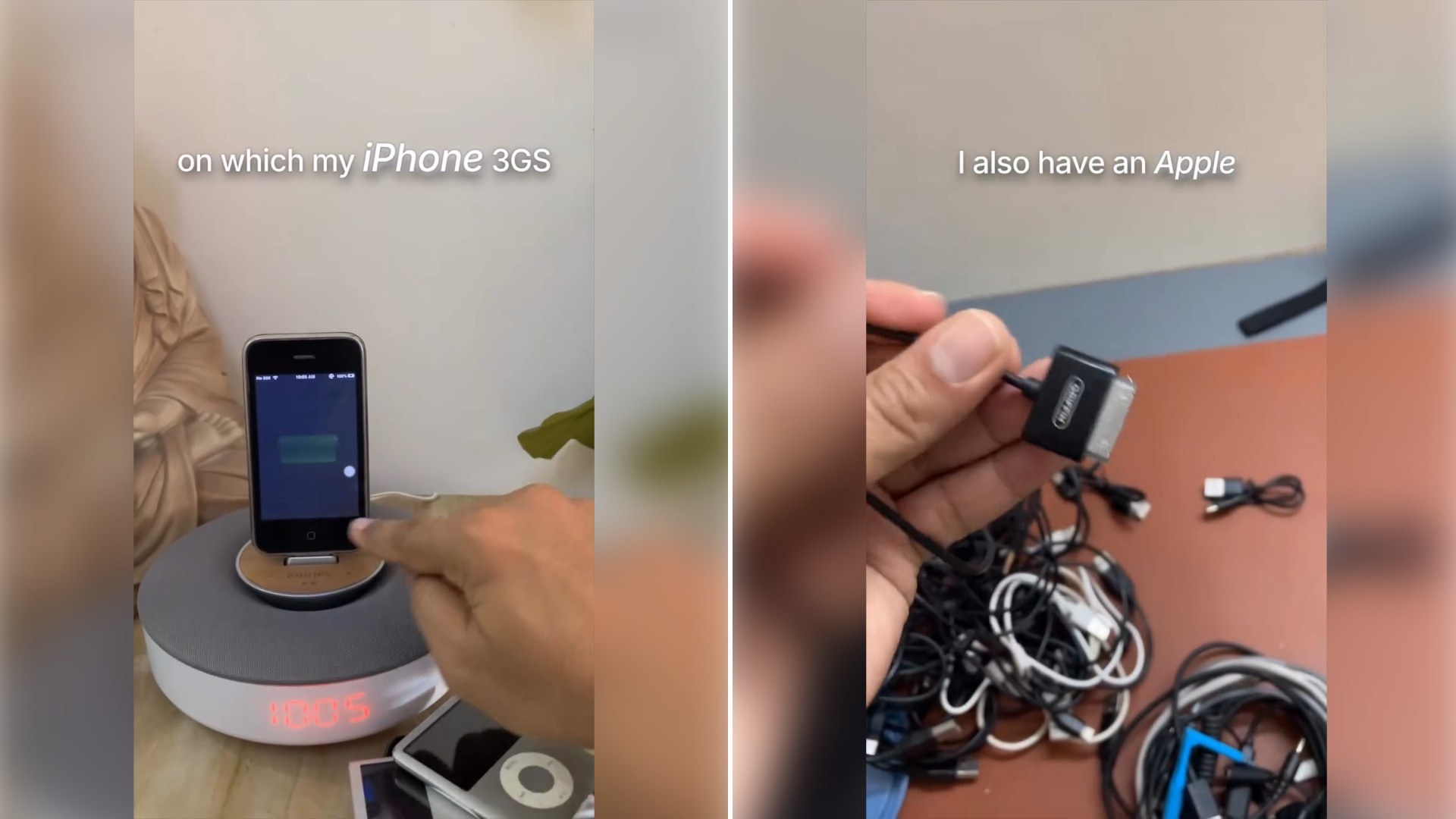
Old tech carries a very specific kind of suspense that other secondhand categories simply do not, since there is no way to know if it still works until the moment you actually try it, and @dishantdaily builds an entire video around exactly that uncertainty. After picking up several old-generation Apple iPods at a flea market, he brings them home and tests each one individually, waiting to see which devices still power on after years of disuse.
The format is simple and effective: one device at a time, a brief pause, and then either the small triumph of a screen lighting up or the quiet disappointment of nothing happening at all. That binary outcome, working or not working, gives the video a built-in tension that plays on nostalgia for early-2000s portable music players as much as it does on the gamble of buying untested electronics secondhand.
Vintage iPods occupy a growing corner of tech nostalgia collecting, driven partly by genuine affection for the devices that defined an entire era of personal music listening before streaming took over, and partly by the distinctive click-wheel design and interface that has not been replicated since Apple discontinued the line. Flea markets remain one of the more common places to find them, often sold by sellers who have no real sense of whether the devices still function or what a working unit might actually be worth to a collector.
That uncertainty around functionality is exactly what separates buying vintage tech from buying most other secondhand collectibles, since a working unit and a dead one look completely identical sitting on a table, and the only way to tell the difference is to take the gamble and plug it in once you get home.
Part of what makes old tech so uniquely unpredictable compared to other vintage categories is the sheer number of small, hidden failure points involved. A battery can fail even when everything else works perfectly, a charging port can corrode from years of disuse, internal components can degrade in ways no amount of external inspection would ever reveal. A vintage record, by contrast, can usually be assessed reasonably well just by checking the vinyl surface and the sleeve for damage. Tech offers no such shortcuts, which is exactly why a testing video like this one carries genuine, unscripted suspense rather than a predictable outcome.
The click-wheel interface specifically deserves credit for why iPods in particular have held onto such a devoted nostalgic following, long after touchscreens became the industry standard. That tactile, physical way of scrolling through a music library offered a kind of deliberate, satisfying interaction that a flat touchscreen simply cannot replicate, and collectors chasing a working unit today are often chasing that specific sensory experience as much as the nostalgia of the brand itself.
Flea markets occupy an interesting middle position in the secondhand tech economy, generally offering lower prices than a specialized vintage electronics reseller but with none of the testing or guarantees that a more curated seller might provide. That trade-off, lower cost against higher risk, is exactly the gamble this video documents, and it is a decision every vintage tech buyer eventually has to make: pay more for peace of mind, or pay less and accept the odds.
There is also something worth noting about how a multi-device test like this one, rather than a single unit, changes the emotional arc of the video. Testing just one iPod would produce a single binary outcome, works or does not, but testing several in sequence creates a kind of unfolding scorecard, each new device raising or lowering the overall odds of the trip having been worth it, right up until the very last one is tested.
For anyone drawn to collecting old tech, videos like this one are a useful, honest preview of what the hobby actually involves: patience, a tolerance for disappointment, and the occasional small thrill of watching an old screen flicker back to life after years of sitting silent.
There is also a broader nostalgia economy worth considering here, since vintage iPods sit at an interesting intersection of practicality and pure sentiment. A working unit can still genuinely play music, making it more than a purely decorative collectible, but the experience of using one today is inevitably colored by comparison to a modern smartphone’s vastly larger storage and streaming access. That means most people picking up a vintage iPod are not doing so because it is the most practical way to listen to music, but because the specific object itself, the click wheel, the chunky plastic body, the startup chime, carries a sensory weight that a phone simply cannot replace.
It is also worth pointing out how flea markets specifically function as a kind of unofficial clearinghouse for exactly this category of object. Sellers at this level often have no particular expertise in vintage electronics and are simply moving inventory that accumulated through estate sales, storage cleanouts, or general downsizing, which means pricing rarely reflects genuine collector value in either direction. That inconsistency is part of what makes flea market tech hunting simultaneously risky and potentially rewarding in a way a specialized reseller’s carefully priced inventory never quite replicates.
Whatever the final tally ended up being, working devices against dead ones, the real value of a haul like this one was clearly in the process itself, the slow, suspenseful ritual of finding out one device at a time.

Leave a Reply