

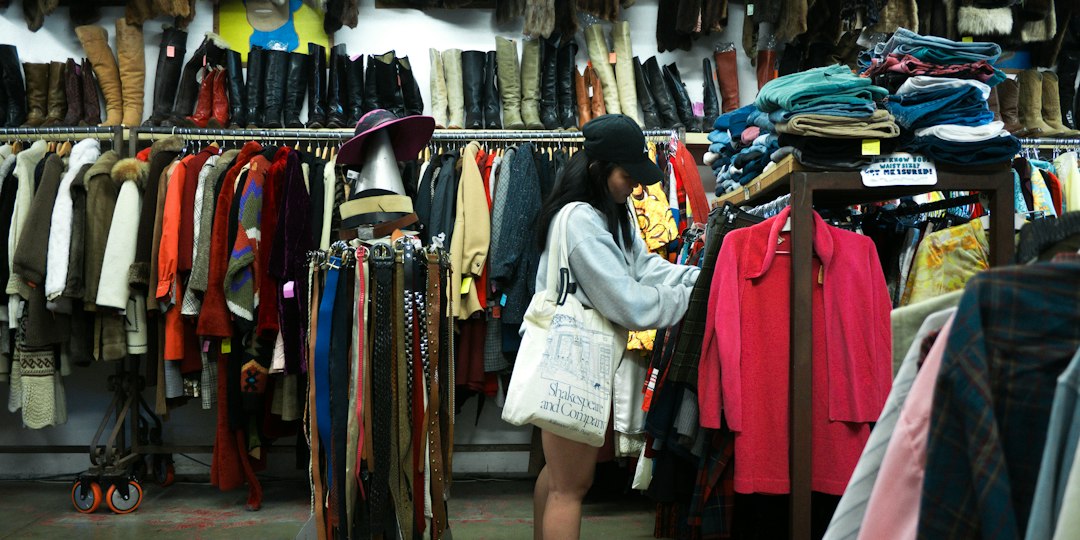
A new report highlighted this week by KFYR confirms what thrift store regulars and resale app sellers have suspected for years: more Americans than ever are buying secondhand and used clothing. The data adds another fresh data point to what has become one of the most consistent retail trends of the past decade, a steady, structural shift away from fast fashion and toward resale.
This surge did not happen overnight, and it is not driven by any single cause. Rising prices on new apparel, growing awareness of fast fashion’s environmental footprint, and a cultural shift that now treats thrifting as a legitimate, even aspirational, way to shop have all converged at once. What used to be viewed primarily as a budget necessity has increasingly become a style statement in its own right, with secondhand finds proudly featured in outfit videos across social media rather than something to hide.
The resale apps that have exploded in popularity over the last several years deserve real credit for this shift too. Platforms that let anyone photograph a closet full of unwanted clothes and list them for sale in minutes have lowered the barrier to both buying and selling secondhand dramatically, turning what used to require a trip to a physical thrift store into something that can happen entirely from a phone. That convenience has pulled in a huge number of younger shoppers who might never have set foot in a traditional thrift store but have no hesitation buying gently used items through an app interface they already trust.
There is also a quality argument that keeps surfacing in coverage of this trend. Many shoppers report that older, secondhand garments are simply better made than much of what fills fast fashion racks today, with sturdier stitching, better fabric weight, and construction built to survive years of wear rather than a single season. That perception, whether or not it holds true for every single item, has helped reposition vintage and secondhand clothing as a smarter long-term purchase rather than a compromise.
For the broader thrifting and vintage community, continued growth in secondhand shopping is unambiguously good news. More buyers in the market generally means more sellers willing to list interesting pieces, more foot traffic through physical thrift stores that might otherwise struggle, and more cultural legitimacy for a hobby that was, not so long ago, treated as a last resort rather than a first choice.
Read the full report via KFYR.

Leave a Reply