


A man living with a troublesome roommate in a shared house is facing escalating challenges as his roommate prepares to move out in just a month. Upon returning home recently, he discovered his comfort severely compromised, with the thermostat locked at an unbearable 80 degrees Fahrenheit and the stove burner caps removed, rendering the kitchen nearly unusable.
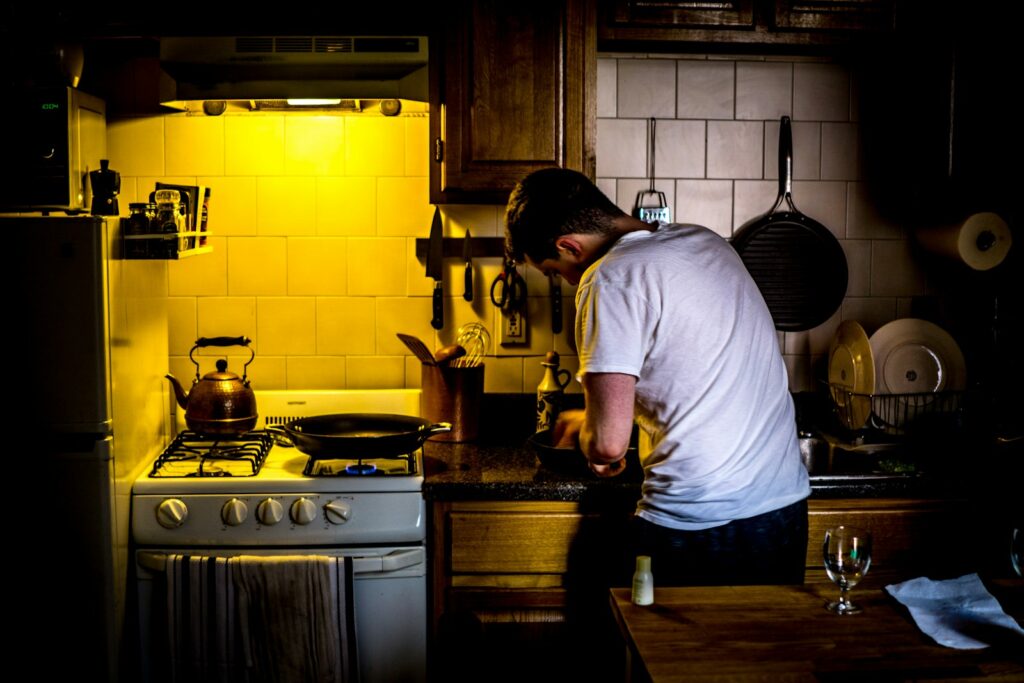
The roommate, who remains unnamed, has taken seemingly petty yet disruptive actions that have left his cohabitant frustrated and helpless. “I literally can’t cook or be comfortable in my own home,” he lamented. This situation has escalated beyond mere inconvenience, especially with a German Shepherd-Husky mix dog in the house, who is struggling to cope with the extreme heat.
According to the affected tenant, the thermostat is an ecobee model, which typically allows users to adjust the temperature for comfort. However, his roommate has set it to a punishing heat level and restricted access with a passcode. This interference is not just a minor annoyance; it directly impacts the well-being of both the tenant and his pet.
“My poor dog can’t stand the heat in the house,” he explained, highlighting a genuine concern for the animal’s comfort and health. German Shepherds, known for their thick fur, are not suited for high temperatures, and the locked thermostat does little to relieve that discomfort.
In addition to the thermostat issue, the removal of the stove burner caps adds another layer of frustration. Without these caps, he has been unable to use the stove for cooking, which is a basic necessity in any home. This not only affects his daily life but also raises questions about the intentions behind such disruptive actions as his roommate prepares to vacate the premises.
The situation has pushed the frustrated tenant to seek help from his landlord, but he is still waiting for a response. His approach to resolving these issues demonstrates a level of patience, though it is clear that his roommate’s calculated actions are taking a toll. As the days go by, the temperature remains uncomfortably high, and cooking becomes an increasingly difficult task.
These actions have led some online users to react strongly, with many empathizing with his plight. One person told him, “That’s just cruel. Your roommate sounds like he’s trying to make life as miserable as possible before leaving.” Another reader suggested documenting everything in case further action is necessary, saying, “You need proof of his behavior. It’s not normal to act like that.”
The comments reflect a broader sentiment that this is not typical roommate behavior. Those familiar with college living situations or shared accommodations often share stories of minor conflicts, but this situation borders on maliciousness. Instead of simply moving out, the roommate has seemingly chosen to disrupt the home environment to an extreme extent.
People online have also pointed out the imbalance of power in this scenario. The outgoing roommate may feel untouchable, knowing that he will soon be leaving for good. This dynamic complicates the tenant’s ability to address the issue without fear of retaliation during the last weeks of their shared living arrangement.
While the affected roommate waits for feedback from his landlord, he faces the daunting task of managing daily life in a space that has become increasingly hostile. The persistent heat and inability to cook create a living condition that many would find unacceptable.
Despite the aggravation, he remains uncertain about what steps to take next. Filing a formal complaint with the landlord may seem the obvious route, but he also worries about what kind of fallout that could cause in the remaining weeks. For now, he is left with the uncomfortable heat and a stove that he cannot use, all while trying to care for his beloved pet.
This experience highlights the unique challenges of shared living arrangements, where individual actions can significantly impact the shared living environment. The situation raises questions about accountability and whether there are sufficient protections for tenants facing harassment or disruptive behavior from roommates.
As he navigates these obstacles, the man is left weighing his options, unsure if a direct confrontation with his roommate or a formal complaint to the landlord would be the best course of action. The uncertainty leaves him feeling trapped in a situation he did not create, with his comfort — and the comfort of his dog — hanging in the balance.
More from Vinyl and Velvet:

Leave a Reply