

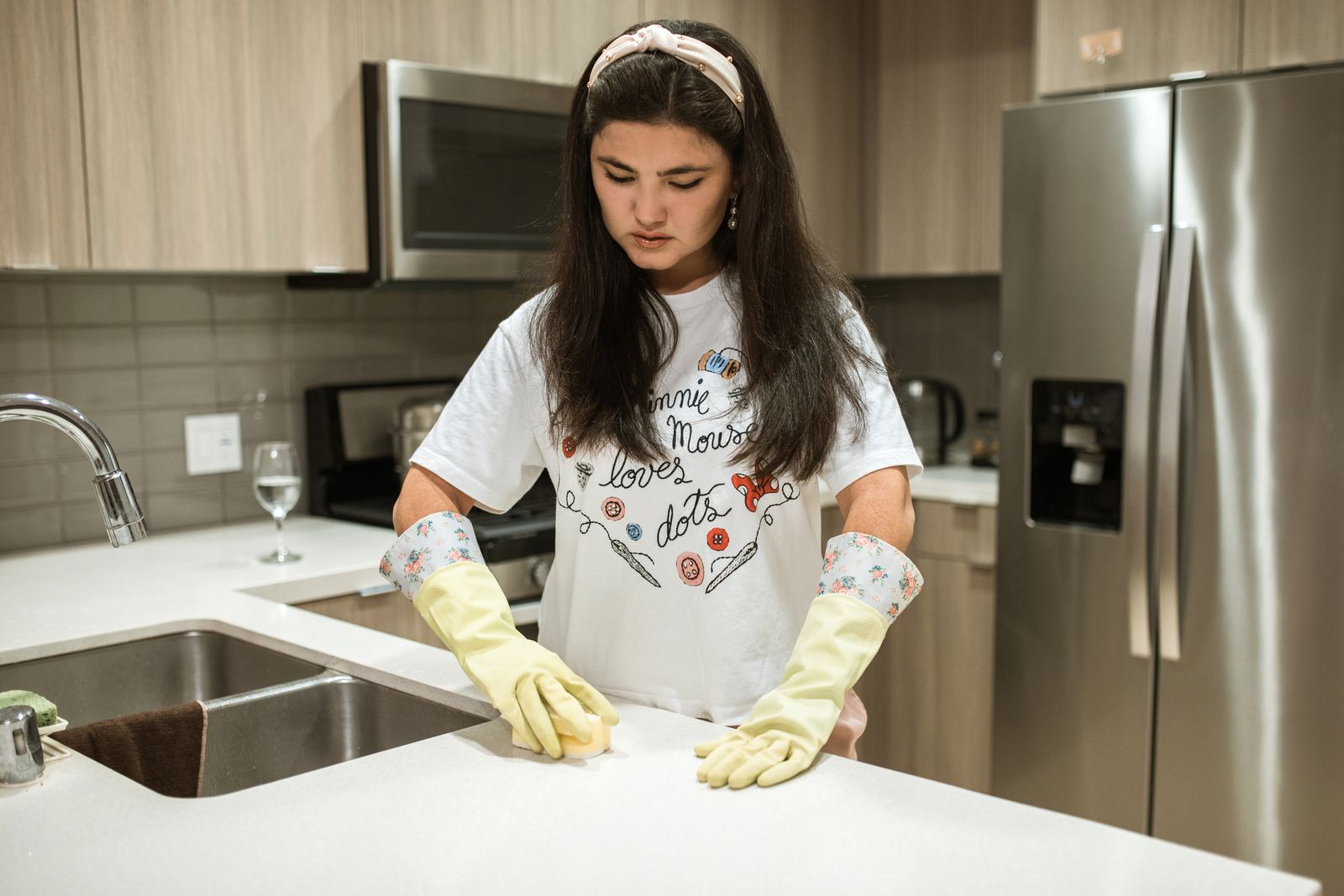
A student shared a frustrating situation about a roommate who consistently skips their household chores, regardless of how many times they are asked to help out. This problem has sparked discussions not only within their home but also online, as many can relate to the woes of living with someone who seems to avoid their responsibilities.

Before diving into this dilemma, the student had tried various methods to encourage their roommate to pitch in. Gentle reminders were exchanged, and even casual conversations about sharing the load were attempted. Yet, each effort seemed to fall on deaf ears. As days turned into weeks, the mounting frustration led them to seek advice from others who might have faced similar issues.
The student’s post painted a vivid picture of the ongoing struggle. Every week, the same chores seemed to cycle through a checklist: washing dishes, taking out the trash, vacuuming the floors. No matter how clearly these tasks were communicated, the roommate would inevitably find a reason to avoid participation. Whether it was claiming to be too busy or simply forgetting, the end result was always the same: a household that felt uneven and unbalanced.
This situation became more pressing as the group dynamics began to shift. Other roommates started to feel the strain, leading to whispers and discussions behind closed doors. The sense of teamwork that once existed began to fray, creating a tense atmosphere in what should be a comfortable living space. With every chore left undone, the student felt an increasing need to address the issue more directly.
After weeks of frustration, the student decided to take a firmer approach. They sat their roommate down and explained how everyone else was contributing and how the household chores should be managed more equally. The conversation was met with half-hearted acknowledgments and vague promises to do better. Yet, as days turned into a new week, nothing changed, leaving the student questioning what else could be done.
One person advised that the student could consider creating a chore chart. Another urged them to hold their roommate accountable more directly by assigning specific tasks that could not be ignored. Despite these suggestions, the situation felt stagnant. The roommate’s actions—or lack thereof—made it challenging to believe that any solution would last longer than a fleeting moment.
Another reader suggested that establishing consequences might be the key. They noted that sometimes people need a little push to recognize their responsibilities. This perspective resonated with the student, who understood that without some form of accountability, the same patterns would likely repeat themselves.
The need for a balanced living arrangement weighs heavily on everyone involved. When one person fails to contribute, it creates a ripple effect that can sour relationships and lead to resentment. The search for solutions has become more than just about chores; it speaks to the need for respect and cooperation among roommates. Many have shared similar experiences, emphasizing that sharing a living space requires open communication and equal effort.
Despite the many suggestions, the student remains unsure about the best path forward. The ongoing frustration with a roommate who seems indifferent has led to the consideration of more serious interventions, including potential mediation. However, there is a lingering hesitation about how to approach this without further straining the relationship.
Ultimately, the student is left to ponder their choices: Should they confront their roommate more aggressively? Or perhaps consider involving other roommates to back up their claims? The path to resolution feels unclear, as the struggle with household chores continues to loom large.
More from Vinyl and Velvet:

Leave a Reply