

Five hours is a long time to stand over a pile of secondhand clothes. The reseller behind the YouTube channel @TrashPandasThrift spent exactly that long at the Goodwill outlet, and left with a cart full of clothing to sell online.
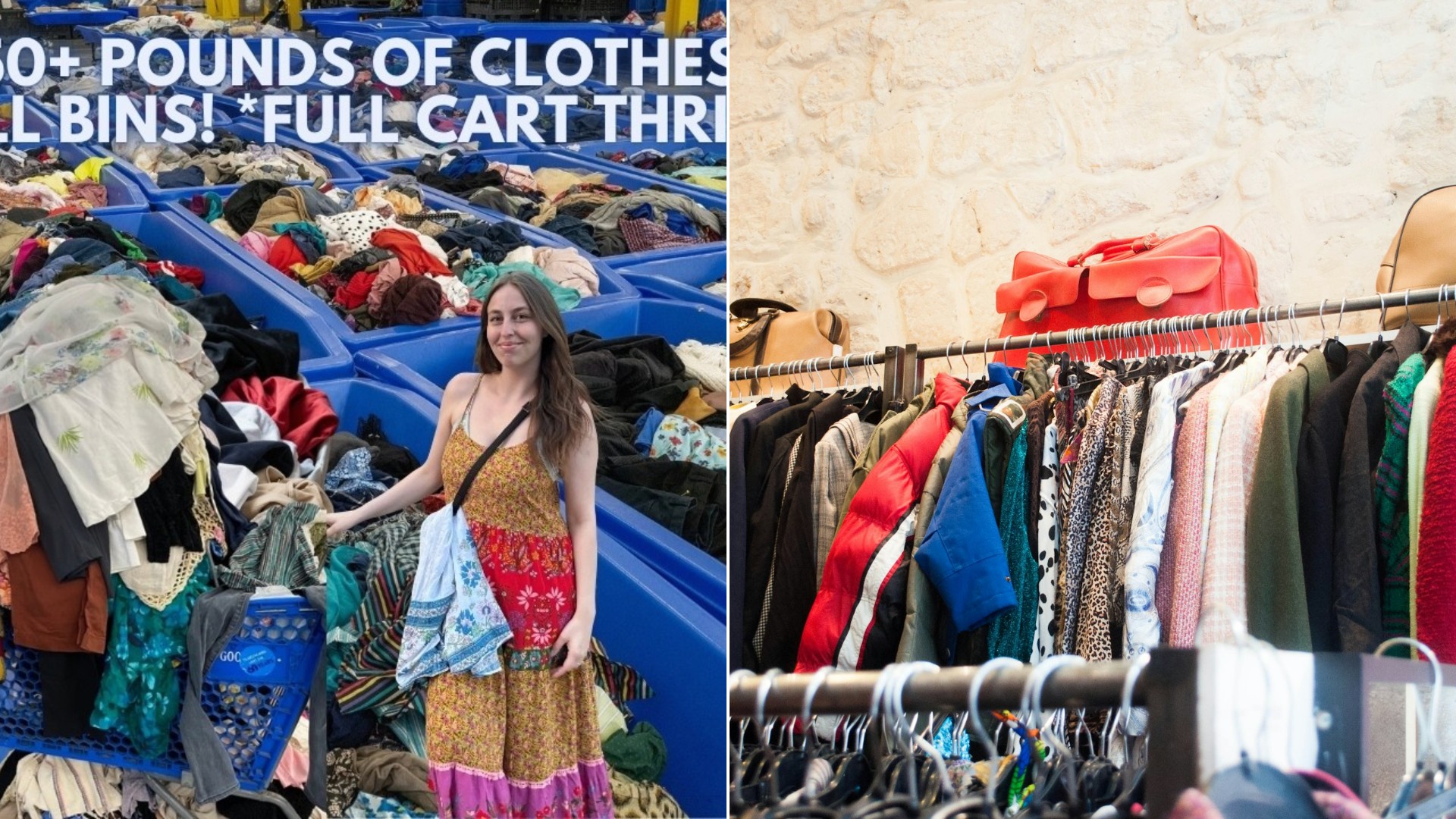
The reason for the marathon is simple. The reseller treats the outlet as a side hustle, a way to make more money by lowering what they call COGS, short for cost of goods. In their words, it is a way “to increase my profits and lower my COGS or cost of goods,” and they say it can work for anyone who wants to try it.
The Cart, Piece by Piece
The star of the haul was a tiny kids tank top from a children’s brand called Katie J. The reseller already sells that brand and expects the tank top to move quickly, with a price right around $30. For a little tank top, that is a pretty good return, and the reseller calls it “pretty cool.”
Not everything in the cart was headed for an online listing. The reseller also pulled a pair of dress pants that they plan to take to a consignment store instead. The price at the New York City Goodwill was $7.99, and the reseller called that “not a bad price.” The reseller added, “Usually our stuff starts at around $10,” which makes $7.99 look like a bargain.
Consignment shops typically take a share of the sale price when an item sells, so the dress pants will earn money only after a customer buys them.
That small detail is worth noticing. A reseller is not only looking for the one jackpot item. They are matching each piece to the place most likely to buy it. A kids tank top might do best in an online shop. Dress pants might fit better at a consignment store. Same cart, different exits.
Why the Outlet Works for Resellers
An outlet is not a tidy store with racks sorted by size. Clothes are piled loose, and shoppers dig. That is exactly why it can pay off. When you are willing to spend hours sorting through a pile, you are paying with your time instead of with your wallet, and your cost on each item can stay low.
Many Goodwill outlets sell items by the pound from large bins, which is why prices per item can run lower than at a regular Goodwill store. The video, posted on the @TrashPandasThrift YouTube channel, follows the reseller through the five hour trip to the bins and shows what ended up in the cart.
The flip side is that time has a price too. Five hours of digging only makes sense if what comes out of the cart earns enough to justify the effort. That is why the reseller talks about profit and cost of goods, not just about the fun of the hunt.
What You Can Borrow From This Haul
You do not have to be a full-time reseller to use the same thinking. Whether you are cleaning out your own closet or thinking about a little extra income, a few habits from this haul are worth copying.
- Know your cost before you buy. If a piece costs a few dollars and could sell for many times that, it earns a spot in the cart. If the margin is thin, leave it in the pile.
- Look for brands you already understand. Katie J is a brand the reseller already sells, which makes the call on that tank top an easy one. Specializing in a handful of labels makes quick decisions easier.
- Check condition carefully. A good brand with stains, holes or heavy wear is hard to sell. Look it over under good light before it goes into the cart.
- Match the item to the right sales channel. Online listings, consignment shops and local resale each suit different pieces. Do not force everything into one place.
- Give yourself a time limit. Five hours worked for this reseller. If you are new, start with one hour and see what you actually come home with.
Selling What You Already Own
If you are decluttering rather than shopping, the same lesson applies in reverse. Items that look ordinary to you, like a children’s top from a small brand, can be exactly what someone else is searching for. Before you donate a bag of clothes, take a few minutes to look up what similar pieces are listed for online. Pull out anything with a recognizable label and good condition, and send the rest to donation. You might be surprised by what a small, forgotten piece can bring.
It is also worth remembering that nobody wins every time. The reseller in this haul talked about the things that sell fast and the things that should go to consignment, which suggests a plan for each piece rather than a random grab. That is the real takeaway. Spending a long afternoon in a pile of clothes is far less of a gamble when each piece has a destination and a price in mind. It also helps to keep a simple note of what you paid and what each piece sold for, so you can see after a few trips which kinds of finds are worth the digging.
So the next time you see a cart overflowing at a secondhand store, remember there may be a plan behind it.
More Stories You May Like
- Arizona Thrifter Drives Four Hours Round Trip to One Specific Goodwill and Walks In to Find a Whole Display Case Full of Gucci, Chanel and Louis Vuitton
- Shopper Finds A Tote Of Nearly Complete China At Goodwill For $29.99, Unboxes Eight Place Settings On Camera, And Calls It Her Favorite Thrift Find To Date
- Thrifter Calls It the Most Insane Haul of Her Entire Life After Pulling a Designer Emilio Pucci Coat Off the Thrift Store Rack That Fits Her Like a Glove

Leave a Reply