

Few kitchen items stir up as much nostalgia as a bright vintage Pyrex bowl or a jadeite Fire-King mug. They remind us of grandmother’s kitchens, church potlucks and casseroles carried across the street with a dish towel draped on top. They also have a loyal following of collectors, which is exactly why reproductions and look-alikes have found their way into the market.
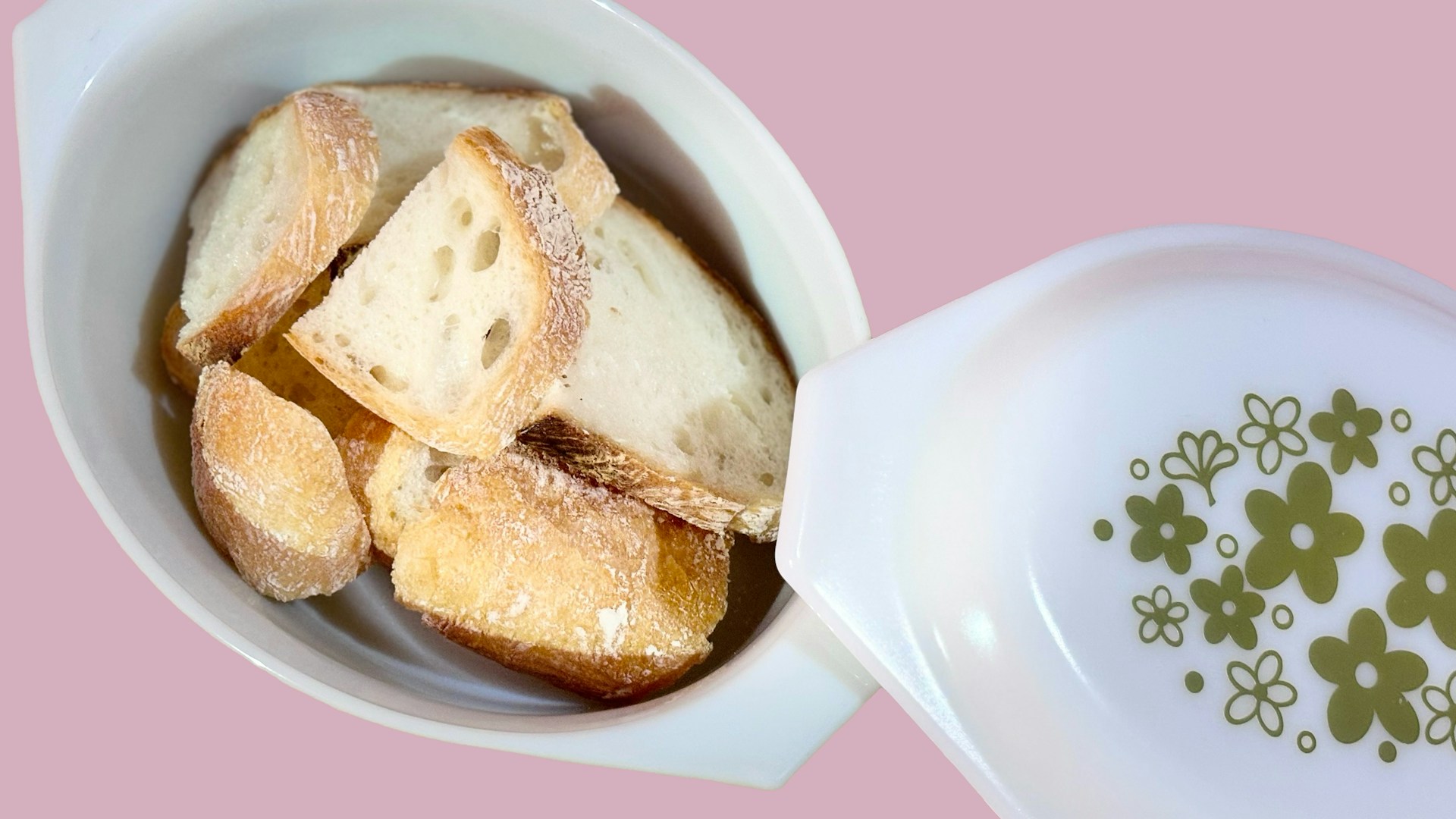
The warning is a simple one. Some pieces are being sold as originals when they are not, and a buyer who skips the homework can end up overpaying. The good news is that the markings on the bottom, along with a few other clues, can tell you a lot.
Know The Names
Pyrex was made for many years by Corning, and the brand has changed hands since then. Fire-King was made by Anchor Hocking. Knowing who made a piece is the first step, because it tells you which marks you should expect to see. If a seller cannot tell you the maker, or the markings do not point to either company, that is worth noticing.
Many pieces of both brands carry a name or logo molded or printed on the bottom. Older and newer pieces often differ in how the marks look, so compare what you see with a trusted collector’s guide rather than relying on memory alone.
Start With The Bottom
Turn the dish over before you pay. A genuine piece of Pyrex or Fire-King usually has a maker’s mark, and often a size or pattern number, on the underside. Look at how crisp and consistent the lettering is. Blurry, uneven or oddly placed marks deserve a closer look, and so does a mark that is missing altogether on a piece that should have one.
That said, marks alone are not proof. A missing mark does not always mean a fake, since printing can wear away, and a convincing mark does not always mean a genuine piece. Think of the markings as the first clue, not the final answer.
Check The Pattern And Color
Collectors prize particular patterns and colors, and those are the ones most likely to be copied. Jadeite green in Fire-King is a famous example, and it is a color that copycats go after. A reproduction may be a slightly different shade, may look too glossy or too flat, or may have a shape that does not quite match known originals.
For printed patterns, look at the print quality. Original patterns tend to have clean, even edges and colors that make sense for the era. Fuzzy printing, odd colors or patterns that you cannot find in any reference book are reasons to slow down.
Use Your Hands
Pick the piece up. Does the weight feel right compared with other pieces you have handled? Do the edges feel the way they should? Are there signs of ordinary use, such as light scratches inside the bowl from decades of spoons? Real age usually looks natural. A piece that looks too perfect, with no wear at all, is not automatically fake, but it is a good reason to ask more questions.
Read The Listing Carefully
When you are shopping online, read the fine print. Phrases like “vintage style,” “inspired by” or “similar to” can signal that the item is not an original. Ask for clear photos of the bottom and of any marks. If a seller refuses or sends pictures that hide the base, be cautious.
Check the price, too. Rare patterns can bring high prices, and sellers know it. But if a famously hard-to-find pattern is priced like an everyday dish, ask yourself why. Compare it with prices that similar pieces have actually sold for, not just with other asking prices.
A Few Safety Notes
Vintage glassware can have its own quirks. Older pieces can chip, crack or develop tiny hairline flaws over the years, and sudden temperature changes can be hard on glass. If you plan to actually cook with an older dish, inspect it closely for damage first and take care with heat. Many collectors choose to display their best pieces and use sturdier modern dishes for the oven.
Caring for your finds matters, too. Washing by hand with a soft cloth is a gentler choice than the dishwasher for painted or printed patterns, which can fade over time with harsh detergent and heat.
Where To Learn More
If you plan to collect seriously, invest in a good reference book or spend time with collector communities and well-run antique shops. Dealers who specialize in kitchenware see the real thing every day and can often spot a reproduction from across the room. Do not be shy about asking questions. Most collectors love to talk about their favorite pieces.
Buying from a seller who offers a return policy gives you extra peace of mind. If something arrives and does not match what was promised, you want a way to make it right.
Enjoy The Hunt
Collecting should be fun, not stressful. A reproduction is not a crime, and plenty of people enjoy them. The only real problem is paying an original price for something that is not original. Turn the dish over, check the marks, compare it against what you know, and take your time. The right piece, at the right price, is worth waiting for.
More Stories You May Like
- Ten More Weird Defunct Candy Bars That Nobody Remembers Prove Your Childhood Snacks Are Gone for Good
- Ruined Mid Century Modern Dresser Gets Brought Back to Life in a Transformation That Shows What Furniture Is Worth Saving
- Seamstress Rips Apart A Thrifted Nightgown And Sews It Into A Retro 1970s Style Skirt And Top Set With An Oversized Collar And A Hand Sewn Hem

Leave a Reply