

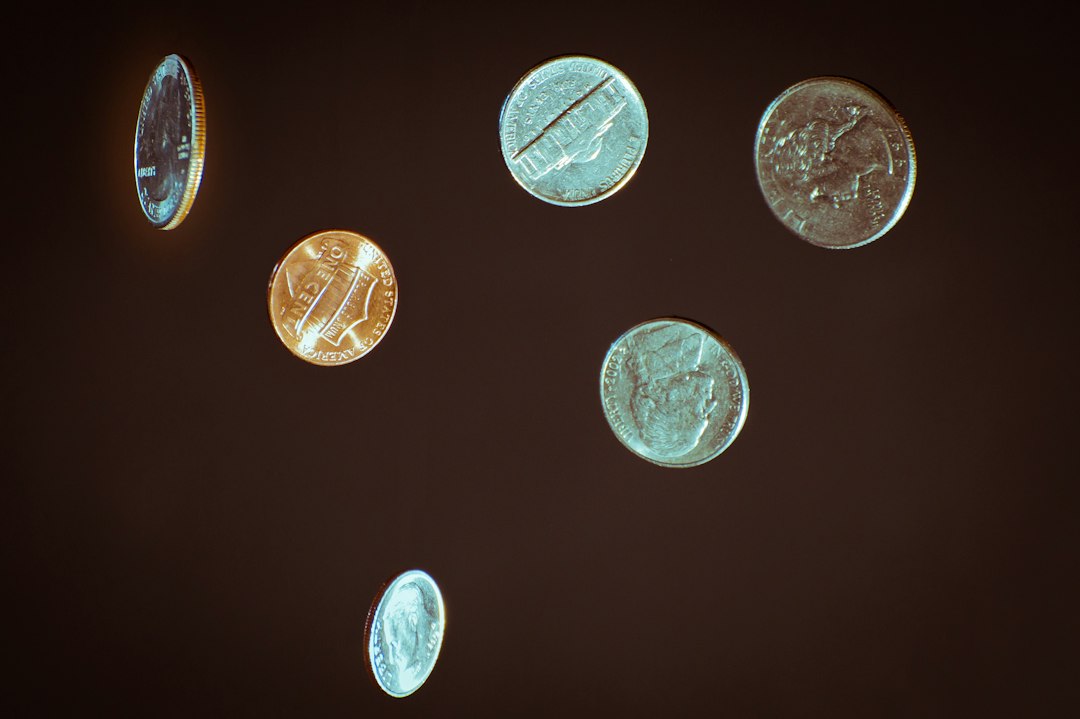
A rare United States coin bearing an unusual “26-cent” denomination sold for nearly $17,000 at auction, according to a report from KIRO 7. The sale is a striking reminder of just how dramatically minting errors and oddities can transform an ordinary piece of circulating currency into a five-figure collectible, especially when the flaw is unusual enough to catch the eye even of people who have never collected a coin in their lives.
Coins with denomination errors or highly unusual minting anomalies occupy a particularly thrilling corner of the numismatic world, precisely because they represent genuine mistakes that somehow slipped through a production process designed to catch exactly this kind of inconsistency. A standard denomination error, where a coin is struck with the wrong face value, design element, or stamping, is rare enough on its own, but one striking enough to generate a figure as unusual and attention-grabbing as “26 cents” adds an extra layer of novelty that helps explain the price it ultimately commanded.
For collectors, error coins carry a particular appeal that distinguishes them from more conventional rare coins, which are typically valuable because of low mintage numbers, historical significance, or exceptional condition. An error coin, by contrast, is valuable precisely because it shouldn’t exist at all — it’s a tangible record of a mistake in an otherwise rigorously controlled manufacturing process, and that scarcity of genuine, verifiable production flaws is what drives intense competition among serious collectors whenever one surfaces at auction.
The coin collecting hobby more broadly has seen sustained strength in recent years, with auction houses reporting consistently strong results for rare and unusual pieces across nearly every category, from ancient currency to modern minting mistakes. Part of that strength comes from coins’ unique position as collectibles that combine historical and artistic interest with genuine, verifiable scarcity — unlike many collectible categories where authenticity can be murky, coins can be graded, authenticated, and tracked with a level of rigor that gives buyers real confidence in what they’re purchasing.
This sale also highlights how auction results for unusual coins frequently outperform expectations when a piece has strong crossover appeal — interesting enough to attract dedicated numismatists while also generating broader public curiosity. A coin with an oddity as immediately understandable as an incorrect denomination tends to generate exactly that kind of crossover interest, since the novelty requires no specialized knowledge to appreciate, unlike more subtle grading distinctions or minting marks that only serious collectors would recognize.
For anyone intrigued by the broader world of rare coin collecting, sales like this serve as a reminder that genuine treasures can still turn up in circulated currency, estate collections, or inherited coin jars, often completely unrecognized by their owners until an expert takes a closer look. That possibility — however statistically unlikely for any individual coin — is part of what keeps both casual pocket-change checkers and serious collectors paying close attention to auction results like this one. Full details on the sale are available via KIRO 7.

Leave a Reply