

The famous curved Coca-Cola bottle almost looked very different. A green glass prototype from 1915, built with a wide middle that made it wobbly, is headed to Morphy Auctions with an estimate of $50,000 to $150,000.
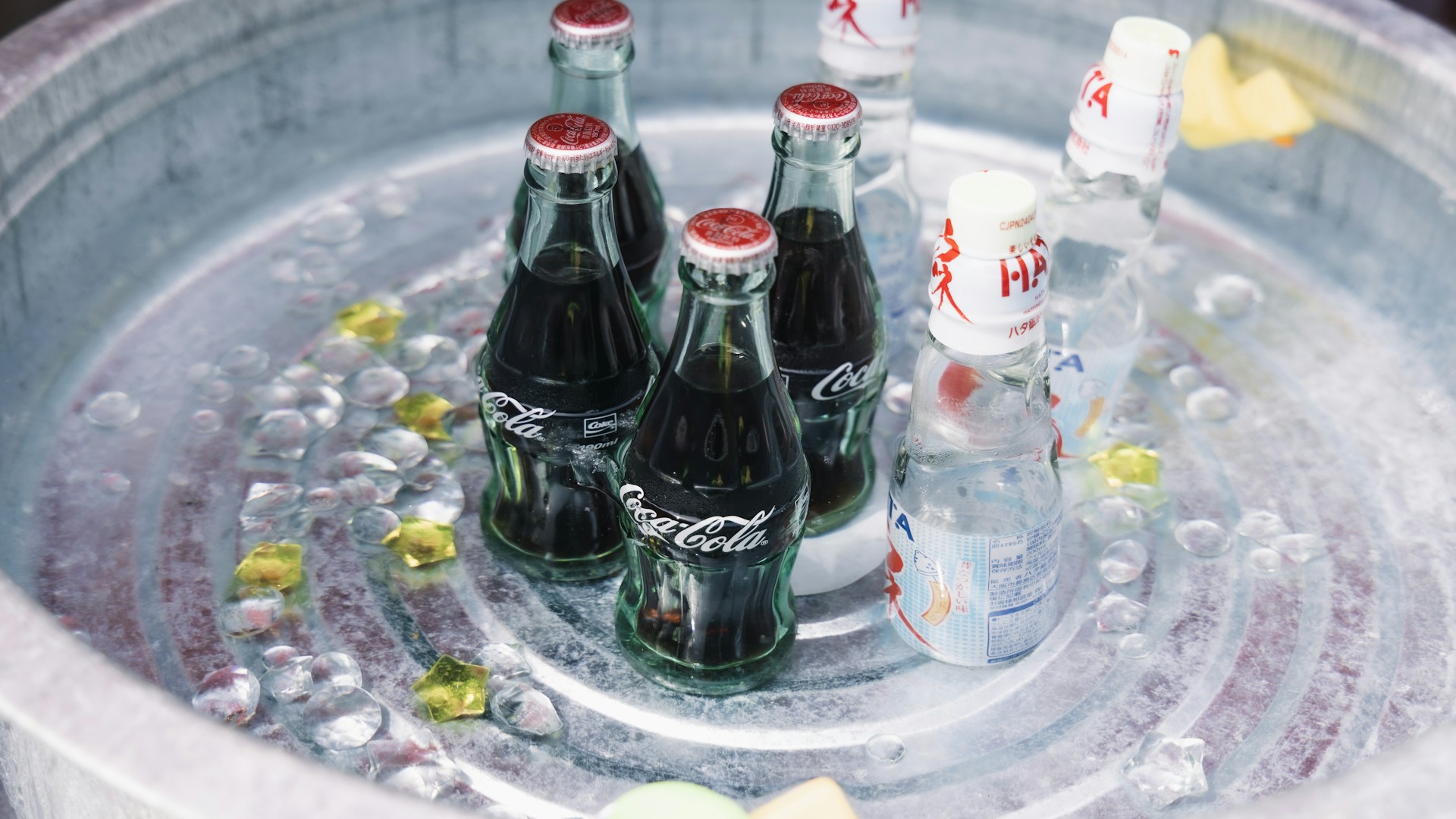
It is lot 2280 in the Fine & Decorative Arts sale on December 1 and 2, 2026, and it stands 7.5 inches tall. The sale is scheduled for early December 2026, and the Coke bottle is only one of several lots that are drawing attention.
A 1915 Root Glass Prototype That Was Too Wobbly To Make
The piece is called a 1915 Coca-Cola Root Glass Experimental Prototype Bottle. According to the preview, Root Glass designer Earl R. Dean based the design on a ribbed cocoa pod.
The wide middle caused stability problems. The company slimmed the shape before mass production of the familiar contour bottle, which is why the one you know today has a narrower waist.
That story makes the prototype a rare look at a design that came close to being what everyone drank from. The final version became one of the most recognized shapes in the world, and this bottle is a step on the way there.
Why The Shape Matters To Collectors
Coca-Cola collectors love early bottles because the design is a piece of advertising history. As the story is usually told, the company wanted a bottle that people could recognize by touch or even in pieces on the ground, and the contour shape did exactly that.
A prototype adds a rarer layer. It was never meant for the public, and its flaw is the reason it survived as a one-off piece instead of becoming one of millions.
With an estimate of $50,000 to $150,000, the sale will show how much collectors are willing to pay for a piece of that origin story.
A $10,000 Note From The Vegas Cash Wall
The same house will also offer a $10,000 Federal Reserve Note (Fr. 2231-B), graded PMG Choice Uncirculated 63. It is lot 1361 in the Premier Coins & Currency sale on December 3, with an estimate of $250,000 to $290,000.
The note is tied to the cash wall at Binion’s Horseshoe in Las Vegas, which displayed 100 such notes behind glass. The display was broken up and the notes were sold in 1999.
Few casino attractions have lasted in memory the way that wall did. For visitors who once posed in front of a million dollars, owning one of the notes is a way to take a piece of Vegas home.
Tiffany Lamps, A Cigar Store Figure And A Platinum Necklace
The preview also lists several other lots. A Tiffany Studios leaded-glass floor lamp with a Greek key design, 69 inches tall, is lot 2005 and is listed at $80,000, and a Tiffany Studios curtain-border floor lamp with a golden glass shade, lot 2008, is listed at $60,000.
A carved longleaf yellow pine cigar store figure of Edwin Forrest as Metamora, from about 1860, is lot 1517 and is listed at $100,000. A platinum emerald-cut diamond line necklace of 46.75 carats, lot 1244, carries an estimate of $60,000 to $90,000.
Anyone who loves Americana will find plenty to look at. These pieces cover the glass, wood and gemstone crafts that shaped how Americans decorated their homes and stores.
A Rolex, A Gold Rush Piece And A Double Eagle
An 18K white gold Rolex Oyster Perpetual Day-Date 36mm, reference 118239, is lot 1291 and is listed at $40,000. An 1851 California Gold Rush $50 Augustus Humbert gold piece, graded PCGS XF40, is lot 1309 and is listed at $65,000.
A 1907 High Relief Saint-Gaudens Double Eagle, Wire Edge, graded PCGS MS63, is lot 1292 and is listed at $32,000. Coin fans consider that design one of the most beautiful American coins ever struck.
You can find the catalogs and the full lot descriptions on the Morphy Auctions site, where bidders register for online and live participation.
Why Prototypes Fascinate Brand Fans
A prototype is a peek behind the curtain. Everyone knows the finished bottle, but few people get to hold the early attempt that came before it.
That is why collectors of old advertising, soda memorabilia and package design watch sales like this closely. The glass proves that even the most famous shapes started as experiments, and some did not work at first.
How To Follow A Pre-Sale Auction
An estimate is a prediction by the auction house, not a promise, and the final price can land below it, inside it or far above it. The best way to learn is to check back after the sale dates and see how each lot actually did.
Keep in mind that most auction houses add a buyer’s premium to the winning bid, so a winner pays more than the hammer price. Grading labels like PMG and PCGS tell you the condition, and condition drives value for coins and currency.
If you have an old bottle, lamp or coin at home, check whether it has markings, dates or original packaging. A little research can tell you whether you own a keepsake or something worth a call to an appraiser.
The Coke bottle will go first, on December 1 and 2. After that, collectors will see how the market values a bottle that was too wobbly to make it to the shelf.
More Stories You May Like
- Norman’s Rare Guitars Closes For A Two Week Remodel After Its Netflix Documentary, And Owner Norman Harris Says I’ve Been The Flintstones, We’re Gonna Be The Jetsons
- Vintage Dealer Searched An Entire Estate Auction And Packed Their Car To Overflowing Including One Find They Say Could Be Worth Around $225 If It Works
- Batman’s Batpod Heads To Auction With A $1.2 Million Estimate, Several Riders Lost Control Of It During Filming, And It Is The Only One Warner Bros. Officially Released

Leave a Reply