

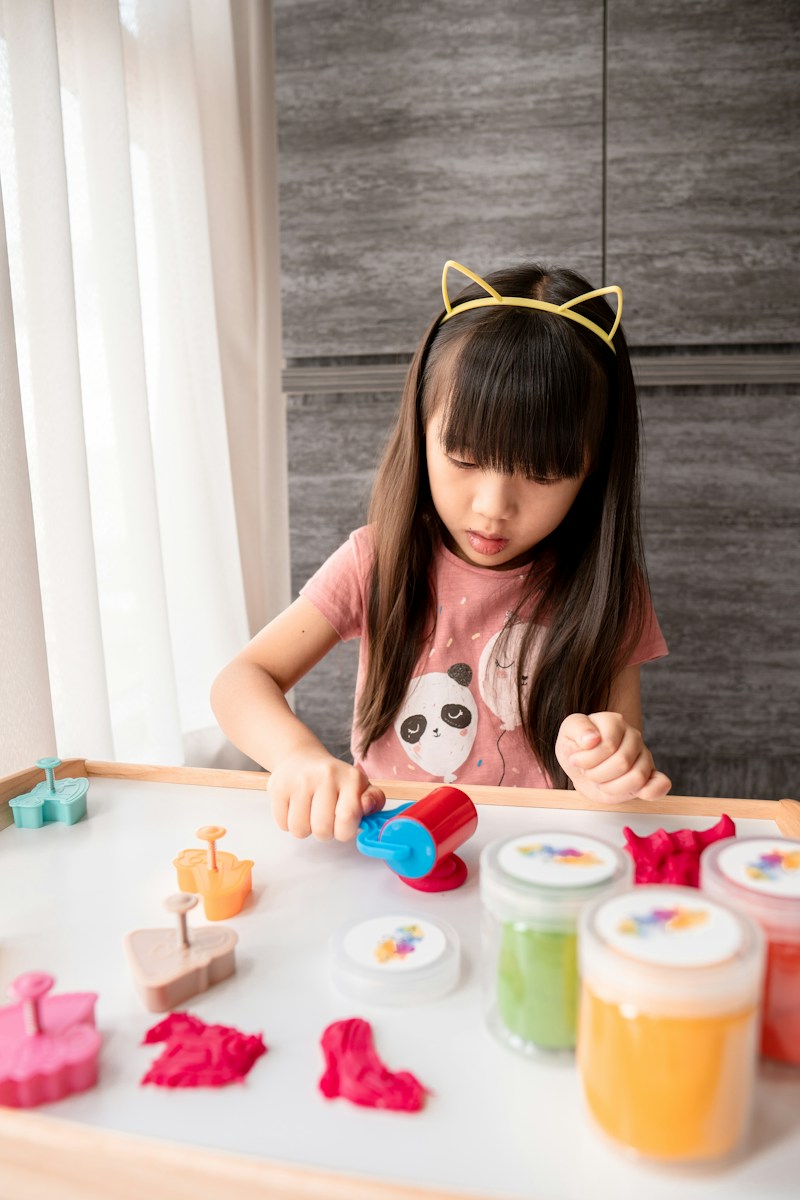
Play-Doh turns 70 this week, and for most of its shelf life the company behind it wasn’t thinking about children at all. The compound started out in Cincinnati as a wallpaper cleaner, a soft paste built to scrub coal soot off wallpaper in homes heated the old-fashioned way. It sold well enough for two decades. Then American homes switched to oil and gas heat, soot stopped being a problem, and the product that would eventually sit in nearly every kindergarten in the country came within a few bad sales quarters of disappearing for good.
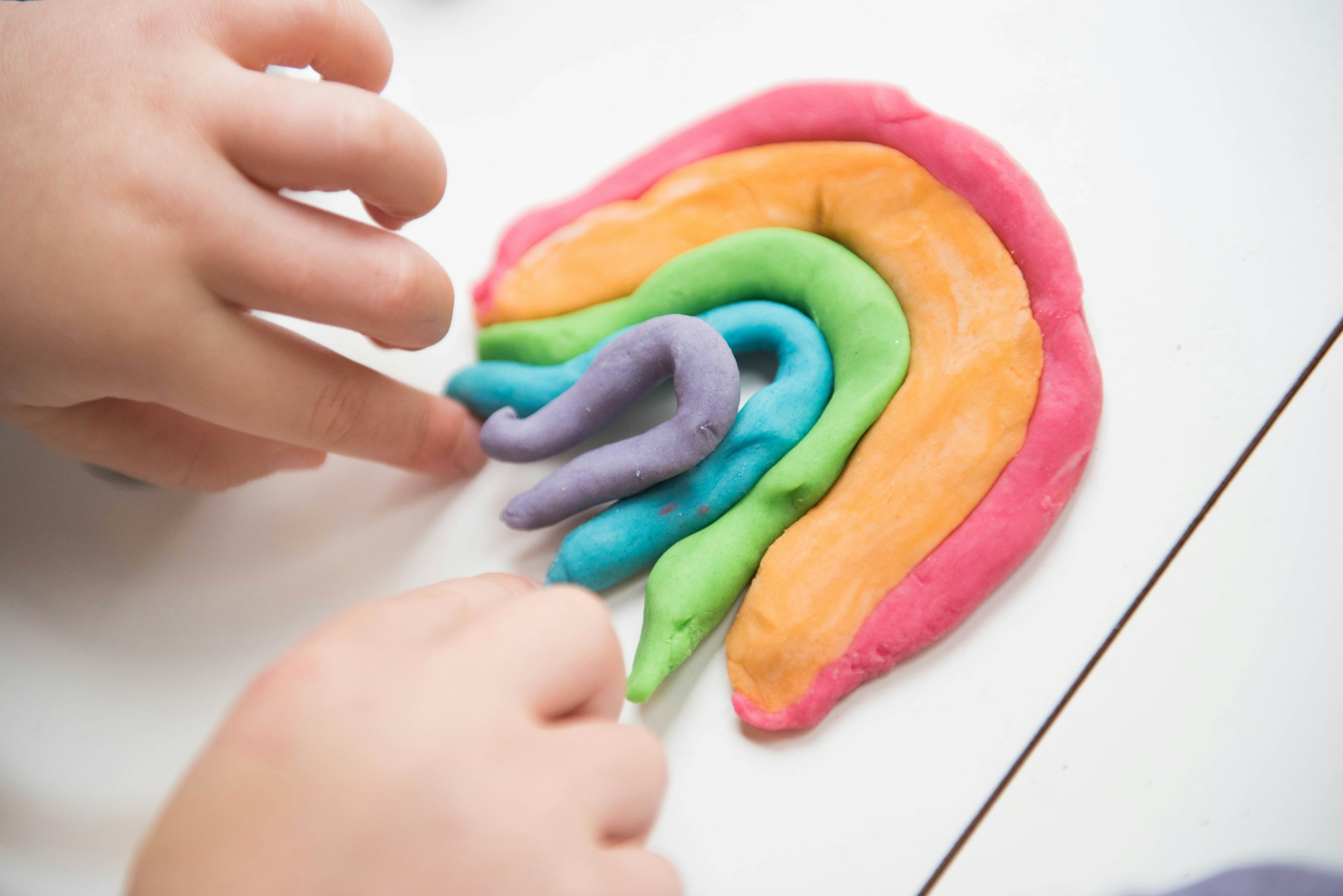
A Cleaning Product Built to Survive Hard Times
Kutol Products was founded in Cincinnati in 1912, and according to the Strong National Museum of Play, founder Cleo McVicker kept the struggling company afloat partly through a 1933 supply contract with the Kroger grocery chain, which sold his wallpaper-cleaning compound in stores across the Midwest. The formula itself was almost embarrassingly simple: water, salt, and flour, worked into a soft, non-toxic paste. Nobody was thinking about that non-toxic part as a selling feature yet. It just happened to be true, and it would matter enormously two decades later.
A Wallpaper Cleaner Running Out of Walls
According to Smithsonian Magazine, the compound’s usefulness depended entirely on how American homes were heated. Coal furnaces left soot on wallpaper, and Kutol’s paste lifted it off without damaging the paper underneath. But by the 1950s, homeowners were installing oil and gas furnaces at a steady clip, and a cleaner built specifically for coal residue had nowhere left to be useful. Company leadership, now under Cleo’s son Joseph McVicker, was staring down a product with a shrinking customer base and no obvious second act.
A Teacher Sees What a Businessman Didn’t
The pivot came from inside McVicker’s own family. His sister-in-law, Kay Zufall, ran a nursery school, and she had noticed something the wallpaper-cleaning executives hadn’t: the compound was soft, pliable, completely nontoxic, and her students loved molding it into shapes. She suggested a new name, Play-Doh, and McVicker filed a patent to sell it as a children’s toy rather than a cleaning product. It launched in 1956 through local stores, with none of the marketing muscle a toy needed to actually take off on its own.
Television Finishes What a Classroom Started
That muscle arrived in the form of a television host in a red blazer. Sales climbed sharply once Play-Doh started appearing regularly on children’s programming, most notably Captain Kangaroo, giving the product exactly the kind of national visibility a small Cincinnati company could never have bought on its own. By 1957 the compound was sold in red, yellow, and blue, and by 1964 Rainbow Crafts was shipping more than a million cans a year, according to the Strong Museum. Momentum kept building through 1960, when the brand introduced the Play-Doh Fun Factory, a plastic extrusion press that let kids force the compound into ropes, stars, and squiggles.
From a Kitchen Table Idea to a Toy Hall of Famer
General Mills acquired the company in 1965, the same year Play-Doh’s patent was formally granted, and manufacturing eventually passed to Kenner before Hasbro bought the brand outright in 1991. It has stayed there ever since, spinning off scented tubs, mini playsets, and enough spin-cycle merchandise to fill several toy aisles. By the Strong Museum’s count, more than two billion cans have sold worldwide, and the compound earned a spot in the National Toy Hall of Fame in 1998.
None of that growth changed the core product much. The compound sold today still comes in that same trio of primary colors introduced in 1957, still gets packed into a cylindrical can, and still carries a smell so specific that entire online forums have tried and failed to agree on how to describe it. In a toy aisle now crowded with screens, batteries, and app tie-ins, Play-Doh’s pitch has stayed almost stubbornly analog: a lump of dough, a little pressure from small hands, and nothing else required to make something out of nothing.
The strangest part of the story is what stayed exactly the same. Soft, safe, and endlessly reshapeable, the compound sold to children in 1956 for exactly the same qualities that made it useful for scrubbing wallpaper thirty years earlier. Nobody reinvented the formula to build a seventy-year toy dynasty. They just finally noticed who was already playing with it.

Leave a Reply