

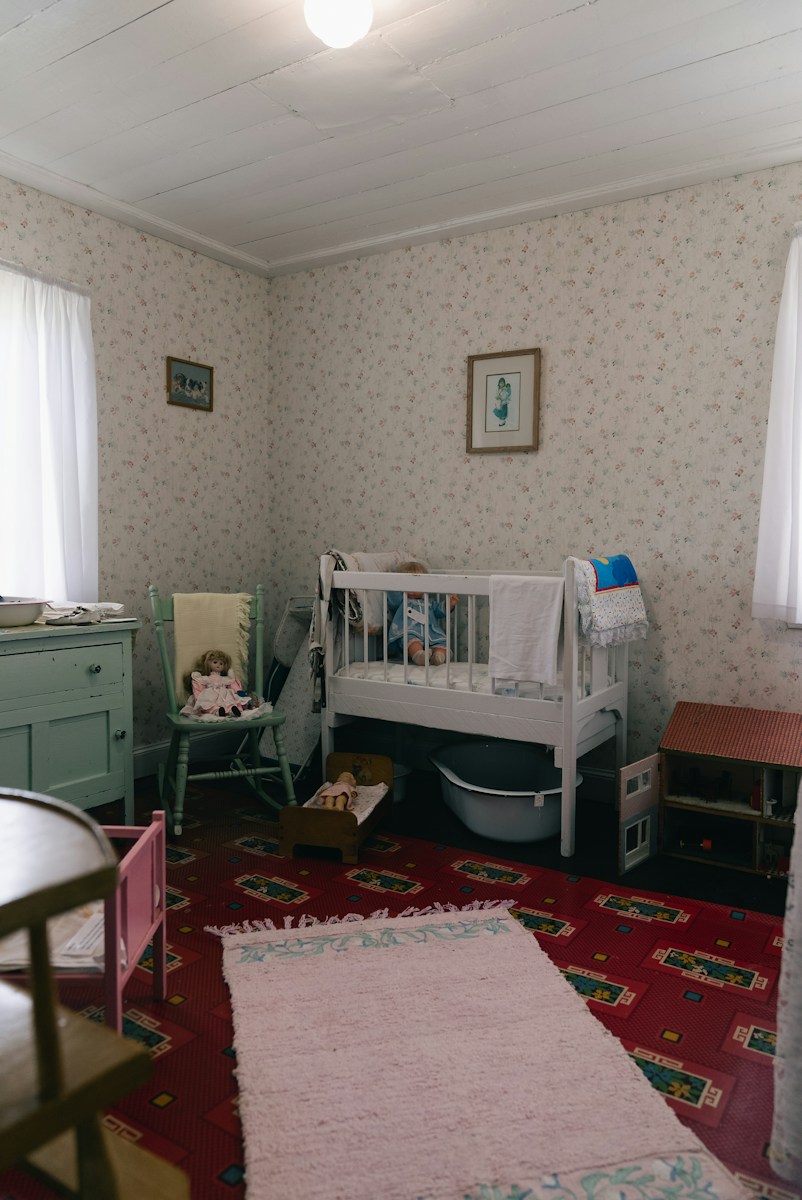
Searches for “vintage kids bedrooms” jumped a full 100% over the past year, and that’s actually the modest number in Pinterest’s newly released 2026 Parenting Trend Report. Searches for 2000s kids toys surged 610%. Interest in 1970s childhood toys climbed 280%, and vintage baby clothing styles from the 90s spiked an eye-popping 660%, according to Pinterest’s own newsroom. Put plainly, an enormous number of parents are searching the platform for ways to decorate their kids’ rooms and stock their toy bins the way their own childhood bedrooms looked, decades before any of this was labeled a trend at all.
What “Nostalgia” Actually Means to These Parents
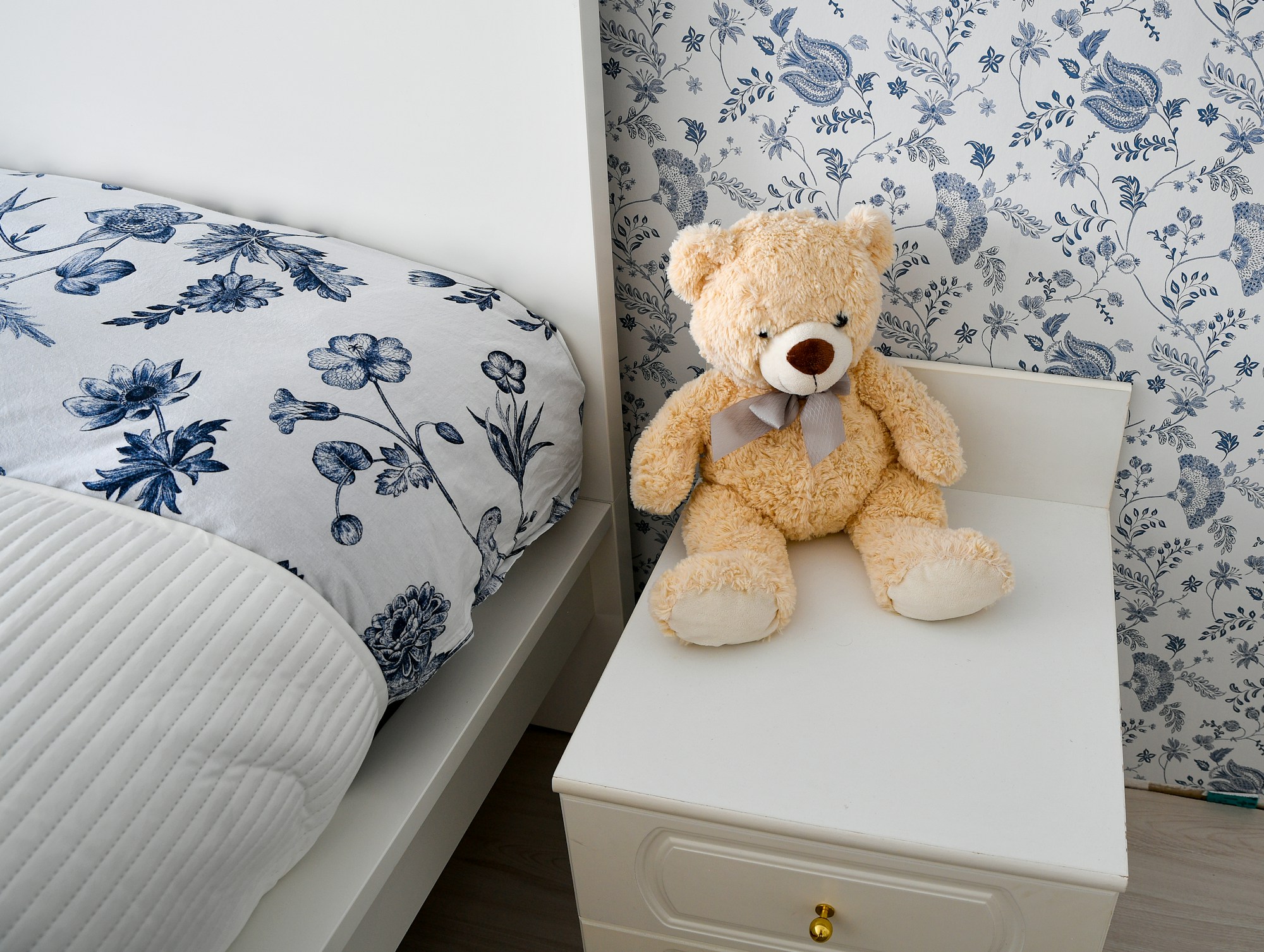
Pinterest frames the shift as parents using “the past as a blueprint for a more analog, grounded childhood,” according to the company’s own report. That framing goes beyond decorating preference. The report ties the search spike directly to a broader pullback from screen-heavy entertainment, describing a trend toward “screen-smart, experience-rich childhoods” built around backyard movie nights, DIY playgrounds and old-fashioned arts and crafts projects, as reported by AOL. Toy choices are following the same instinct. Rather than the newest gadget-heavy release, parents are gravitating back toward early-2000s favorites in the same tactile, hands-on spirit as Polly Pocket-style playsets, prioritizing “slower, more tactile experiences” over screens, per Pinterest’s own data.
The Toy Numbers Tell Their Own Story
Look closely at which decades are spiking and a pattern emerges: it isn’t one single era making a comeback, it’s whichever era a given parent grew up in. Parents in their 30s searching for 90s kids toys pushed that category up 80%. Parents who came of age slightly later drove the 610% jump in 2000s toys. And the 280% rise in 1970s toy searches suggests grandparents, or parents who grew up surrounded by hand-me-downs from that decade, are shopping right alongside them. Nostalgia here isn’t nostalgic for any single decade. It’s nostalgic for whichever decade actually belonged to the person doing the searching.
How to Actually Pull This Off on a Normal Budget
None of this requires gutting a nursery and starting over. Pinterest’s own report gets specific about low-cost swaps parents are searching for and pinning: replacing a modern plastic lamp with a thrifted ceramic one, framing classic children’s book covers as inexpensive wall art instead of buying prints, and displaying toys out in the open on simple shelving rather than stashing everything inside opaque bins. A secondhand dresser gets a fresh coat of paint instead of a trip to the landfill. A vintage-style rug in warm, earthy tones anchors the whole room without a single new piece of furniture. Every one of those ideas can be pulled off with a weekend, a thrift store run and considerably less money than a full nursery overhaul from a big-box catalog.
It helps that most of the source material for this look is sitting in attics, storage units and secondhand shops already, priced like the everyday castoffs it was considered five years ago rather than the design trend it’s becoming now. A wooden toy shelf, a set of hand-me-down building blocks, a stack of well-loved picture books with covers worth framing: none of it needs to be bought new to hit the mark parents are chasing.
There’s also a practical upside parents seem to be discovering alongside the sentimental one. Vintage wooden toys, metal tins and cloth-bound books tend to survive rough handling in a way a lot of modern plastic toys simply don’t, which means a lot of this “trend” doubles as durability shopping. A hand-me-down building set from the 1970s has already survived one childhood intact. Betting on it surviving a second one isn’t much of a gamble, and it comes with a story attached that a fresh box off a store shelf never will.
A Trend Built on Memory, Not Marketing
What makes this particular spike different from a typical design fad is where it’s coming from. Nobody launched a campaign convincing parents that 1970s toys were suddenly desirable. The numbers Pinterest is reporting look more like a generation quietly reaching for its own memories and discovering, a little to its own surprise, that a whole platform full of other parents is reaching for the exact same shelf of toys at the exact same time.

Leave a Reply