

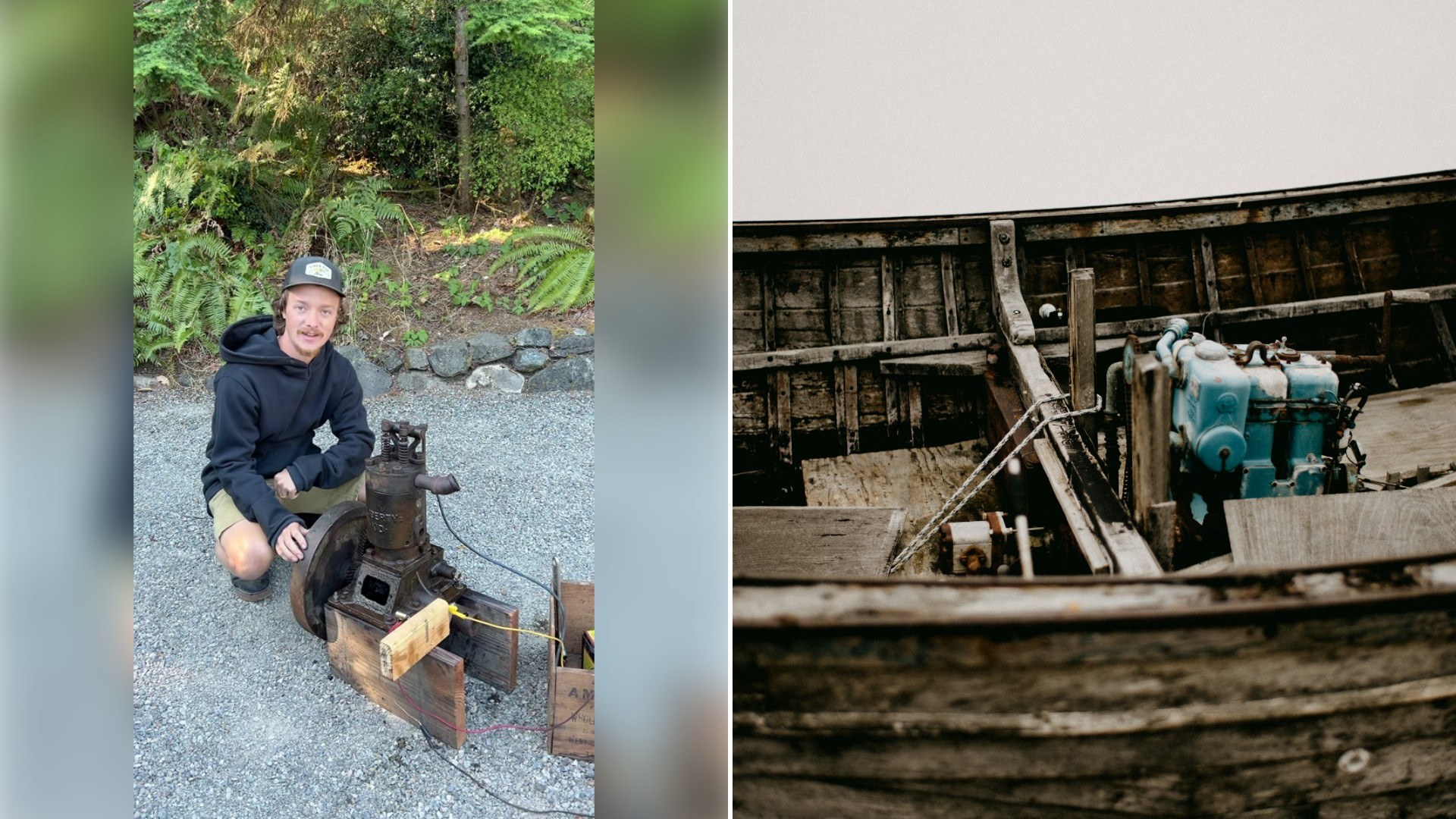
There is a specific kind of tension that comes from watching two people fight to bring a machine back from the dead, and it runs through the whole latest project from @thebarnbrothers, who set out to get a hundred-year-old boat engine running again after decades of sitting unused. Crouched beside the small, rusted 1920s motor, the creators walk viewers through the process one adjustment at a time, treating each small victory with the seriousness it deserves given just how much time and neglect the engine has had to overcome.
The video does not shy away from the setbacks either, narrating the moments where an adjustment does not work as hoped, or the engine sputters and dies just short of catching, alongside the small breakthroughs that inch the project closer to success. That honesty about the process, including the frustration of near misses, is a big part of what separates genuine restoration content from a polished highlight reel; viewers get to see the real, unglamorous work of mechanical troubleshooting rather than just a tidy before-and-after.

@thebarnbrothers
By the end of the clip, the engine is noticeably closer to actually starting, sputtering back toward life after a century of sitting dormant, a milestone that carries real weight given the age of the machine involved. A 1920s boat engine represents nearly a hundred years of corrosion, dried out seals, and components that were never designed with modern replacement parts in mind, which makes every small sign of progress in a project like this one feel genuinely earned rather than assumed.
Antique engine restoration occupies a specific niche within the broader restoration and mechanical hobbyist community, one that draws people fascinated not just by getting old machines running again but by understanding the engineering decisions of an entirely different industrial era. Engines from the 1920s were built using manufacturing techniques, materials, and tolerances that differ significantly from anything produced today, meaning restorers working on pieces this old often have to fabricate replacement parts by hand or adapt modern components to fit specifications that predate standardized manufacturing.
That combination of historical curiosity and hands-on mechanical problem solving is a big part of what makes this kind of content so compelling to a broad audience, well beyond people who own boats or engines themselves. Watching two people slowly coax a piece of century-old machinery back toward function taps into something universally satisfying about persistence paying off, the same basic emotional appeal that drives interest in any long, difficult restoration, whether the subject is an engine, a building, or a piece of furniture.
For anyone interested in getting into antique engine restoration themselves, hobbyists generally recommend starting with research specific to the engine’s exact make, model, and era before attempting any repairs, since generic troubleshooting advice often does not apply to century-old designs. Joining communities built around specific engine types or eras can also be invaluable, since other restorers who have worked on comparable machines are often willing to share hard-won knowledge about common failure points and workaround fixes that are not documented anywhere in an official manual, largely because no official manual for many of these engines has survived intact.
Whether or not this particular boat engine ultimately roars fully back to life, the project itself stands as a reminder of how much craftsmanship and durability went into machinery built a century ago, built well enough that a patient pair of mechanics can still find a path back to function nearly a hundred years later. That kind of built-to-last engineering is increasingly rare in an era of disposable consumer goods, which is exactly why restoration stories like this one continue to resonate with audiences who may never touch a wrench themselves but still recognize the value of something made to endure.
It is also a good example of how restoration content differs from more instant forms of entertainment online. There is no guarantee built into the format that the engine will start by the end of the clip, and that uncertainty, paired with the visible effort of two people working through real trial and error, is exactly what keeps an audience invested in a project that could just as easily end in another failed attempt as it could in a running engine.
The project also highlights a quieter form of environmental stewardship running through the restoration hobby generally, since keeping a working engine, even one built a century ago, functional and in use is a far more sustainable outcome than letting it rust away in storage only to eventually be scrapped for parts or discarded entirely.
For readers who stumble across their own old, seized-up engine at an estate sale or in a relative’s garage, the encouraging takeaway here is that age alone rarely disqualifies a machine from being worth the attempt, provided the person taking it on is willing to accept plenty of setbacks along the way to any eventual success.
Every small success along the way, a bolt finally loosening or a part fitting back into place after some careful persuasion, adds up to the kind of incremental progress that keeps a restoration project like this one worth returning to, session after session, even when a full running engine is still weeks away.

Leave a Reply