

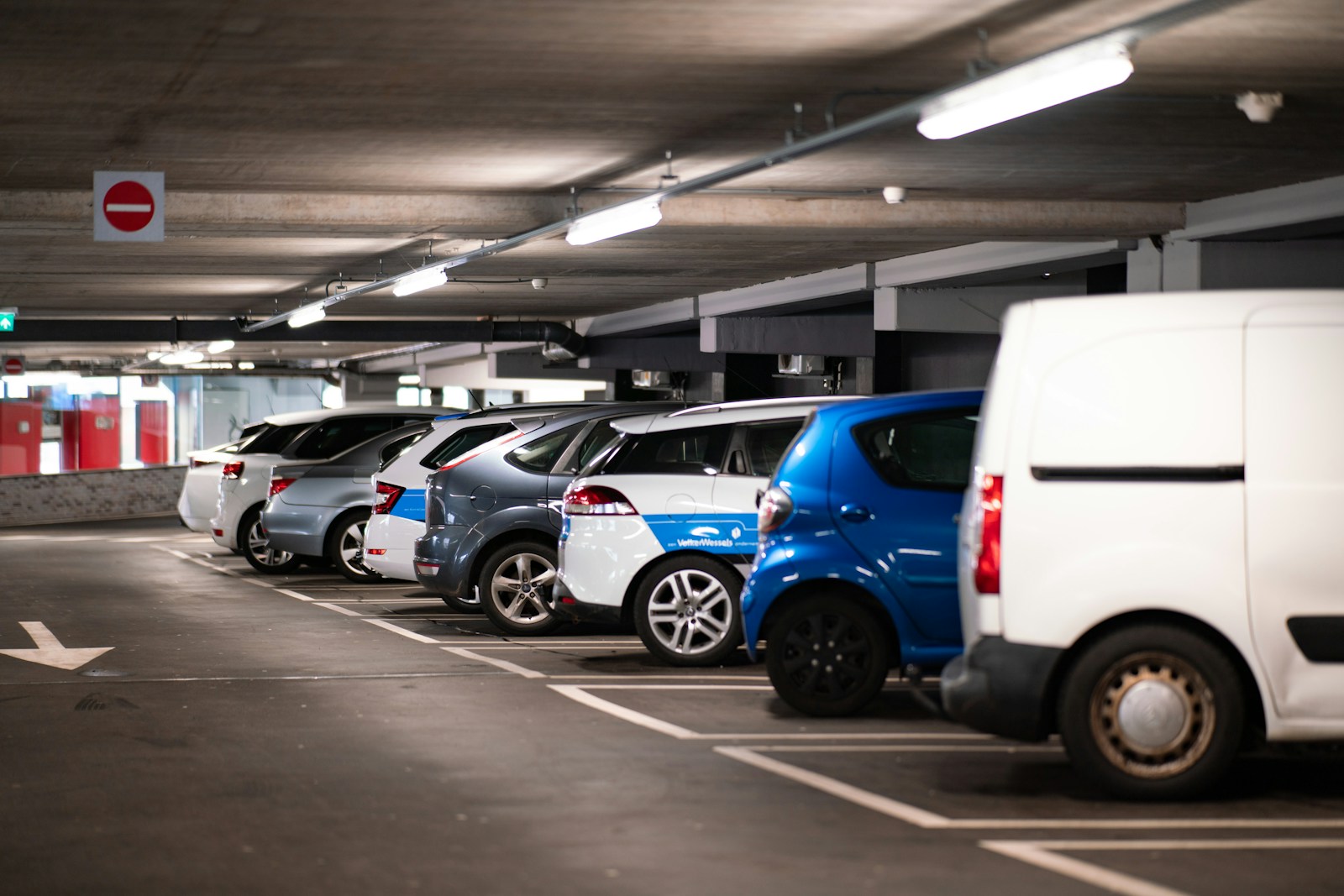
A woman returned to her workplace parking lot to find herself in a perplexing situation. An irate lady with a brand new Thunderbird had parked so closely to her vehicle that she couldn’t access the driver’s seat. This encounter took place in a company parking area that features assigned spots for employees, specifically built to prevent chaos in the relatively cramped lot.
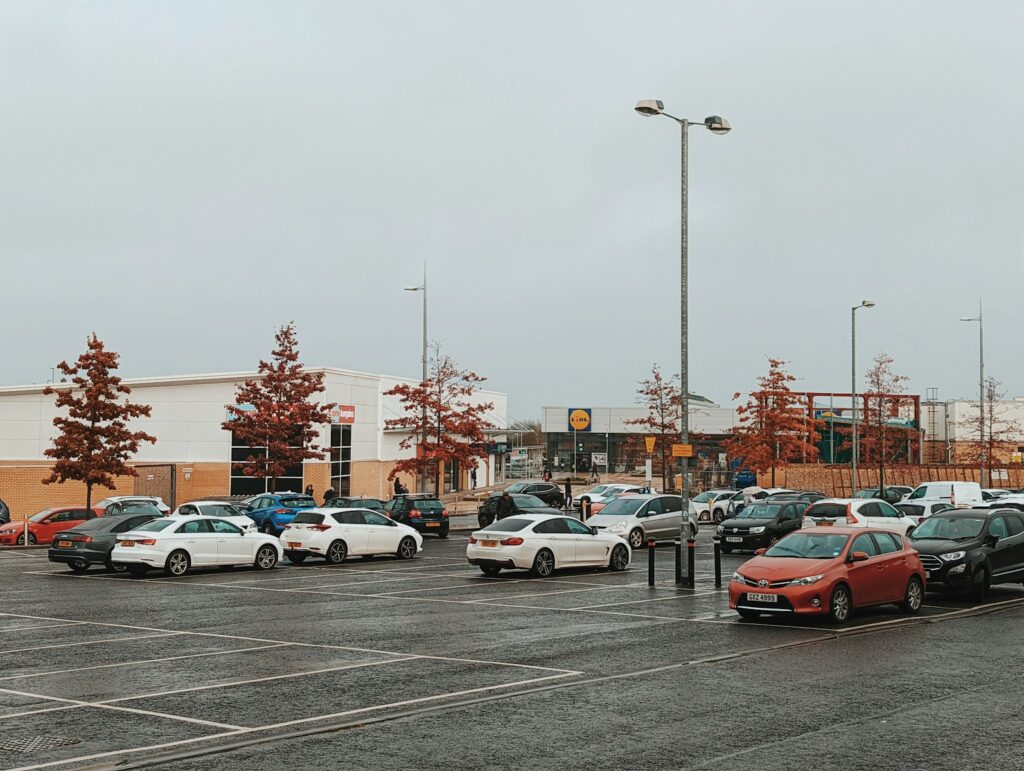
The employee, who had come back early from a doctor’s appointment, noticed the lady parked next to her at an angle that made it virtually impossible for her to get back into her car. The parking lot at the company was open but clearly labeled for employee use, with ample space for customer parking as well. This situation brought forth issues relating to entitlement and respect for designated areas.
Upon discovering the Thunderbird, she approached the upset driver who was understandably protective of her new car. The other woman informed her that she had parked so closely to prevent anyone from squeezing into the space next to her. The employee pointed out that she was in her assigned parking spot, emphasizing that the lady had no business being there at all. The confrontation highlighted a clash of attitudes toward personal space—one person attempting to claim ownership of a wider area and the other simply trying to fulfill her basic need to park in her designated space.
The employee recalled the incident happening in the early 2000s, a detail that some readers seemed to misunderstand when the story was initially shared online. For those commenting, the timeline made a significant difference in interpreting the entitlement displayed in this incident. One person told her, “It’s amusing how some people think they can dictate parking rules.” Comments like this echoed a common sentiment: the absurdity of someone attempting to control the behavior of others in a public company lot.
The irate lady’s determination to protect her new car at all costs also raised eyebrows among onlookers. How could she have parked so close to another vehicle and still expect to maintain any sort of distance? The employee questioned whether this was an act of defiance, ignorance, or simply poor judgment. Regardless, the encounter unfolded in a highly charged atmosphere where personal boundaries and a sense of entitlement collided.
As tensions flared, the employee remained firm in her stance. She understood her rights to the assigned space, but dealing with someone so determined to stake a claim on nearly a full parking space proved frustrating. Rather than escalate the argument further, she decided to back off, acknowledging that sometimes it’s best to avoid conflict with someone who appears to be having a bad day.
This situation is hardly unique among employees trying to navigate cramped parking areas where sometimes, common sense seems to vanish. Another reader commented, “It’s wild how people think their car is somehow more important than an assigned spot.” These remarks resonate with anyone who’s faced similar conflicts in shared spaces, where minor misunderstandings can quickly spiral into unnecessary disputes.
Ultimately, the employee faced a choice: she could confront the woman further or walk away and let the encounter go. In the grand scheme of things, her assigned parking spot was just that—a spot. Yet, the broader implications of entitlement in public spaces lingered in her mind. It made her think about how people interact in places that should be straightforward: a little respect, a little courtesy, and everything works smoothly.
As she drove away, the confrontation could serve as a lesson on boundaries and respect, both for personal property and for the rights of others. The decision to report the incident or simply let it slide weighed on her, lingering like a cloud over an otherwise ordinary workday.
More from Vinyl and Velvet:

Leave a Reply