

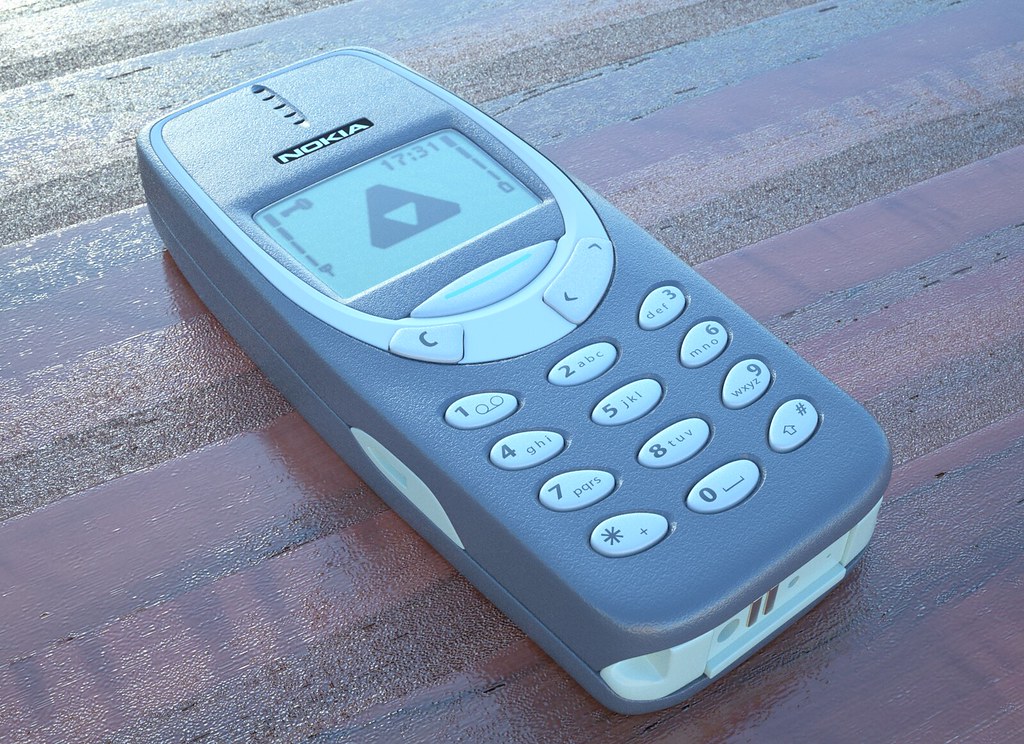
Nokia forecast sales of 20 million units. The Nokia 3310 sold 126 million — nearly four times what Apple’s original iPhone would move seven years later. Announced on September 1, 2000, the candy-bar handset was designed by a team of twenty-somethings who nicknamed it “Beetle” during development, according to Vice’s history of the device. It wasn’t built to go viral. There was no internet culture built for phones yet. But a quarter-century on, the 3310 has become internet shorthand for one thing above all: nothing can kill it.
A Phone Built for Pockets, Not Punchlines
The engineering brief behind the 3310 wasn’t “make it unbreakable” — it was “make it last.” Its official HMD product history describes a phone built around a monochrome screen, an internal antenna instead of the stubby external ones common at the time, and a battery rated for hundreds of hours on standby. Per TechRadar’s retrospective, the 900mAh cell delivered up to 260 hours of standby time on a single charge — a figure that still embarrasses most modern smartphones.
The internal antenna mattered more than it sounds. Without an exposed piece to snap off, the entire shell became one continuous, unbroken unit — thick polycarbonate wrapped around a simple circuit board with far fewer failure points than the touchscreens that came after it. There was no glass to shatter, because there was nothing to protect: the 84-by-48-pixel monochrome display sat recessed and small, a design choice born of 2000-era cost and battery constraints that happened to double as armor. Nokia wasn’t chasing a meme. It was chasing battery life and a manufacturing cost low enough to sell a phone to literally everyone, from Helsinki teenagers to first-time buyers across the developing world.
Text Messaging’s First Real Home
The 3310 didn’t just survive drops — it changed what people did with their thumbs. Vice’s reporting credits the phone with introducing the first threaded SMS chat interface, effectively inventing the texting conventions still in use today, alongside customizable covers, a ringtone composer, and the built-in game that would outlive the phone itself: Snake II.
That combination — cheap, tough, and genuinely fun to use — turned the 3310 into the default phone for an entire generation of teenagers, at a moment when Nokia controlled roughly 90 percent of the mobile market in its home country of Finland, per the same account. Six of the ten best-selling phones of all time are early Nokia models, and the 3310 sits near the top of that list.
How a Spec Sheet Became a Punchline
The “indestructible” reputation wasn’t part of the original marketing — it caught up to the phone roughly a decade after launch, once smartphones with glass screens became the norm and people started noticing what they’d traded away. A phone that couldn’t crack, shatter, or die by Friday became a running joke precisely because the fragility of everything that replaced it was so new and so annoying.
By the time that joke had legs, the original 3310 was already out of production, discontinued years earlier as Nokia moved on to color screens and, eventually, lost its grip on the market entirely to touchscreen smartphones. That gap is part of why the reputation hit so hard: people weren’t defending a current product, they were eulogizing one, using it as a stand-in for a simpler relationship with technology that phones with fragile screens and day-long batteries had quietly ended.
The joke format was simple and endlessly repeatable — a cracked smartphone screen next to an unscathed 3310, captioned with some version of “still works.” It required no context beyond having owned a phone in the 2000s, which made it one of the rare tech jokes that translated across generations and countries without losing anything.
Nokia’s own decline is part of the story too. The company that once commanded roughly 90 percent of its home market, per Vice’s reporting, effectively missed the smartphone transition it helped set the stage for — an irony that made the durability joke sting a little more, aimed as much at Nokia’s fall as at its former rivals’ fragility.
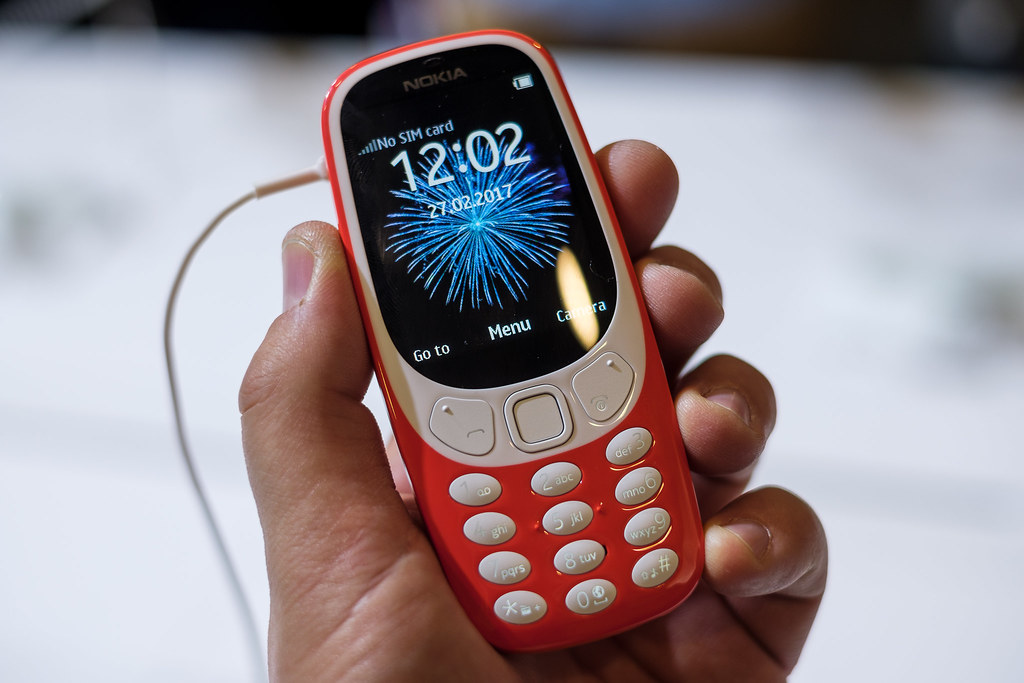
HMD Global, which now licenses the Nokia brand for phones, leaned into that reputation rather than fight it. Its own current 3310 product page still markets the retro-styled revival on toughness and battery life, noting the color “runs through the material, so it looks better for longer” — a direct callback to the original’s reputation for surviving pockets, backpacks, and concrete. Somewhere in that gap between production run and punchline, the original 3310 stopped being a product and started being a reference point.
What the Brick Actually Proved
The 3310’s second life says less about nostalgia than it does about what people quietly started missing. Durability used to be a baseline expectation for consumer electronics, not a premium feature or an ironic punchline. A phone engineered in 2000 to survive years of daily abuse became, decades later, a stand-in for an entire lost category of “things built to last” — proof that a product doesn’t need a marketing campaign to become a legend. It just needs to keep working long after everyone expected it to quit.

Leave a Reply