

A new mother, nine weeks postpartum with her first baby, recently expressed her reluctance to have her mother-in-law come visit during this challenging time. Currently staying at her parents’ house, she is already surrounded by family support, including her mother and two aunts who assist her with the baby.
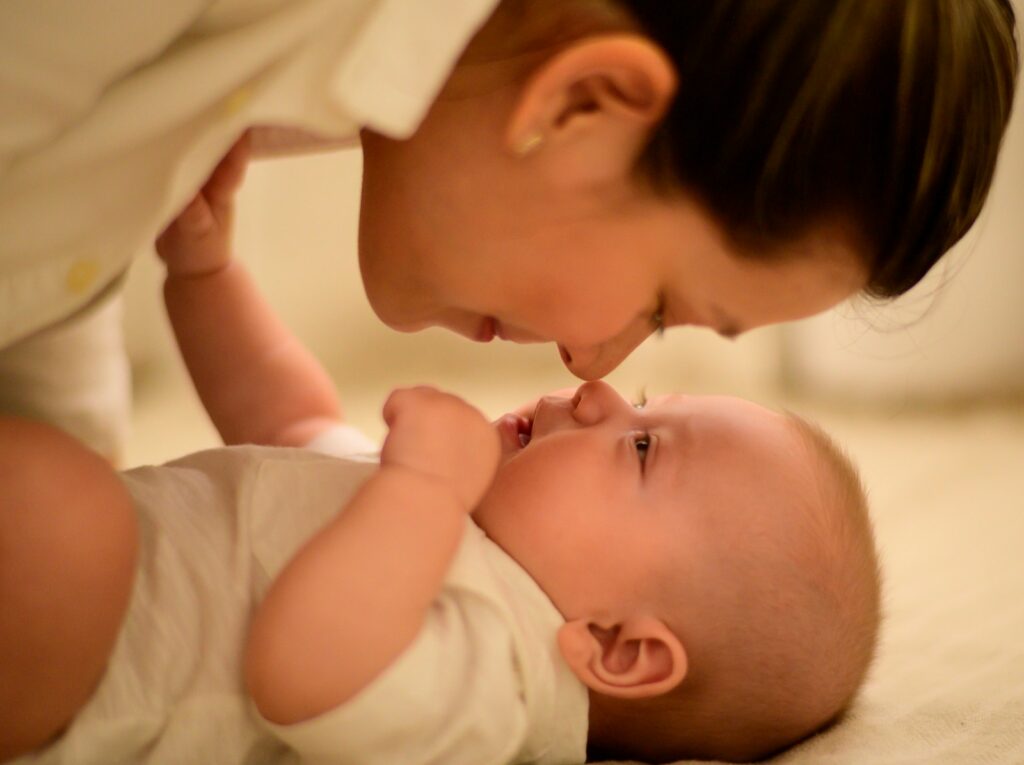
Living in a crowded household, she finds comfort in the familiarity and routines established by her family. Her mother is her primary support, especially during the stressful nights filled with sleep deprivation. Even with the exhaustion, she appreciates the emotional comfort her support system provides. In this environment, her baby has also become accustomed to the family members who help care for her.
<pHowever, her husband suggested that his mother come over as an “extra helping hand,” creating a wave of discomfort for the new mom. She quickly felt guilty for her instincts but emphasized her reasons for not wanting her mother-in-law’s involvement at this time.
One of her main concerns is her comfort level with vulnerability. She expressed that she is only at ease being open about her postpartum struggles around her own family. The added presence of her mother-in-law could disrupt that comfort and make her feel more exposed.
The logistical aspect also weighs heavily on her mind. With so many family members already in the house, there isn’t enough space for one more adult. Accommodating her mother-in-law would mean someone else would have to rearrange their living situation, which could add more stress to an already full house.
Additionally, she noted that her baby is used to her current support network, familiar with their routines and patterns. Introducing a new caregiver, even with good intentions, might confuse the baby and alter the established rhythm that has been working well.
Another concern is the potential for unsolicited advice during an already overwhelming time. The new mother is wary about receiving different opinions on how to care for her baby. This could add to her stress rather than alleviate it, making her feel more insecure in her parenting choices.
She also questioned the practicality of having her mother-in-law stay. How long would this arrangement really last? A week? A month? That uncertainty only adds to her reluctance. She feels that the initial disruption may have repercussions that linger far longer than any short-term assistance could provide.
Reflecting on these reasons, she clarified she does not harbor any ill feelings toward her mother-in-law. It is not personal; it is a matter of needing her space during postpartum recovery. She struggles with guilt for her feelings but firmly believes that her needs and comfort should take precedence.
One person told her, “It sounds completely reasonable to want your space during such a vulnerable time.” Others echoed a similar sentiment, stressing the importance of the mother’s needs during this critical period. They highlighted that many new parents face challenges with family overstepping boundaries, especially when it comes to nurturing a newborn.
Another reader emphasized that what works for one family might not work for another, reminding her that it is okay to prioritize her comfort and mental health. The responses suggest a growing recognition of the complexities involved in postpartum experiences and how important it is to carve out a supportive yet unintrusive environment.
As she navigates her feelings, this new mother remains uncertain about how to approach the topic with her husband, fearing it may create tension between them. She finds herself caught between wanting to express her needs and the worry of disappointing him.
With her postpartum journey still unfolding, she weighs her options. Should she confront this issue with her husband now, or is it better to wait until she’s in a stronger position to advocate for her wishes? The conversation about her mother-in-law’s proposed visit looms large, leaving her with the challenging decision of how to handle the delicate dynamics of family and support during such a significant life change.
More from Vinyl and Velvet:

Leave a Reply