

A new mother is expressing her serious concerns about her husband’s family wanting to take care of her baby during a dinner event. The 6-month-old’s mother has been the primary caregiver since birth and is adamant about not wanting her infant passed around like a toy at the gathering.
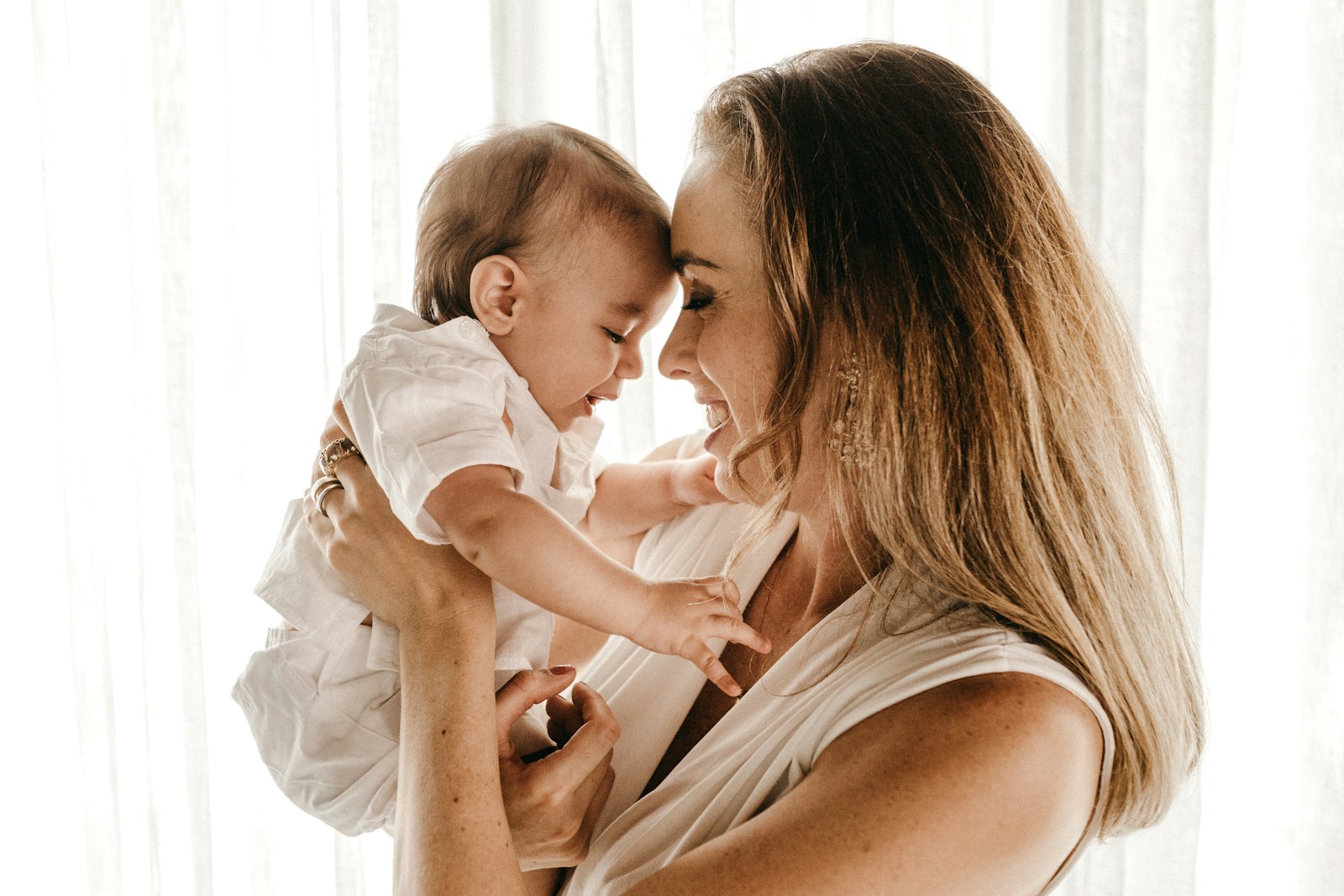
The mother described a troubling experience that left her feeling uneasy. Just a week after giving birth, she witnessed her sister-in-law holding her newborn while struggling with her own toddler. The sister-in-law had removed her sweatshirt, leaving only a tank top beneath, and held the baby chest to chest while managing her one-year-old. The new mom felt uncomfortable enough that her husband intervened and took the baby back.
This moment has since fueled a grudge against the sister-in-law, leading the new mother to prefer having only her immediate family hold her child. Since giving birth, she has noted a shift in her relationship with her in-laws, particularly with her sister-in-law, who she claims has been overly eager to bond with the baby, often texting her about wanting to snuggle the infant. The new mom feels her sister-in-law’s fixation on the baby overshadows any genuine concern for her well-being.
Despite not having issues with her husband’s family prior to becoming a mother, the new mom’s past experiences also weigh heavily on her current feelings. She comes from an abusive background, which has instilled a deep-seated mistrust in her. While her husband supports her in seeking help from her siblings and one supportive sister-in-law, he struggles to understand her apprehensions about the family gatherings where multiple relatives want to hold the baby.
As the dinner event approaches, the tension grows. The mother feels pressured to allow her husband’s family to watch their baby, but she fears that the situation will devolve into a scenario where everyone wants to hold and touch the baby. She has a strong aversion to people, particularly children, holding her baby. The idea of dirty hands and faces touching her six-month-old is extremely unsettling for her.
Her husband, meanwhile, seems to dismiss her concerns, insisting that it won’t be like she thinks. However, she has witnessed firsthand how family dynamics play out during gatherings. The busy atmosphere, combined with her prior experience, leads her to believe that her instincts are correct. She does not want to create conflict but feels she must stand her ground for the sake of her child’s safety and comfort.
The mother’s struggle touches on deeper issues of trust, especially in the context of her abusive past. She emphasizes that it’s not that she doesn’t trust anyone; it’s that she trusts only a select few. The emotional burden of learning to trust again is compounded by her responsibilities as a new parent. She states explicitly that, besides her siblings and husband, only one sister-in-law is a reliable caregiver for her child.
As the event looms, readers are expressing empathy for her situation. One person told her, “It’s completely reasonable to want to protect your baby and set boundaries.” Another reader said, “You have to advocate for your child, even if it makes family gatherings uncomfortable.” These comments highlight the widespread understanding that parenting decisions, particularly regarding trust and safety, should be respected.
The mother is now left to consider her next steps. Does she insist on not having anyone hold her baby during the family dinner, risking tension with her in-laws? Or does she compromise to keep the peace, potentially enduring the very scenario she fears? The dilemma remains unresolved, with the mother feeling the weight of both her own instincts and familial expectations.
More from Vinyl and Velvet:

Leave a Reply