

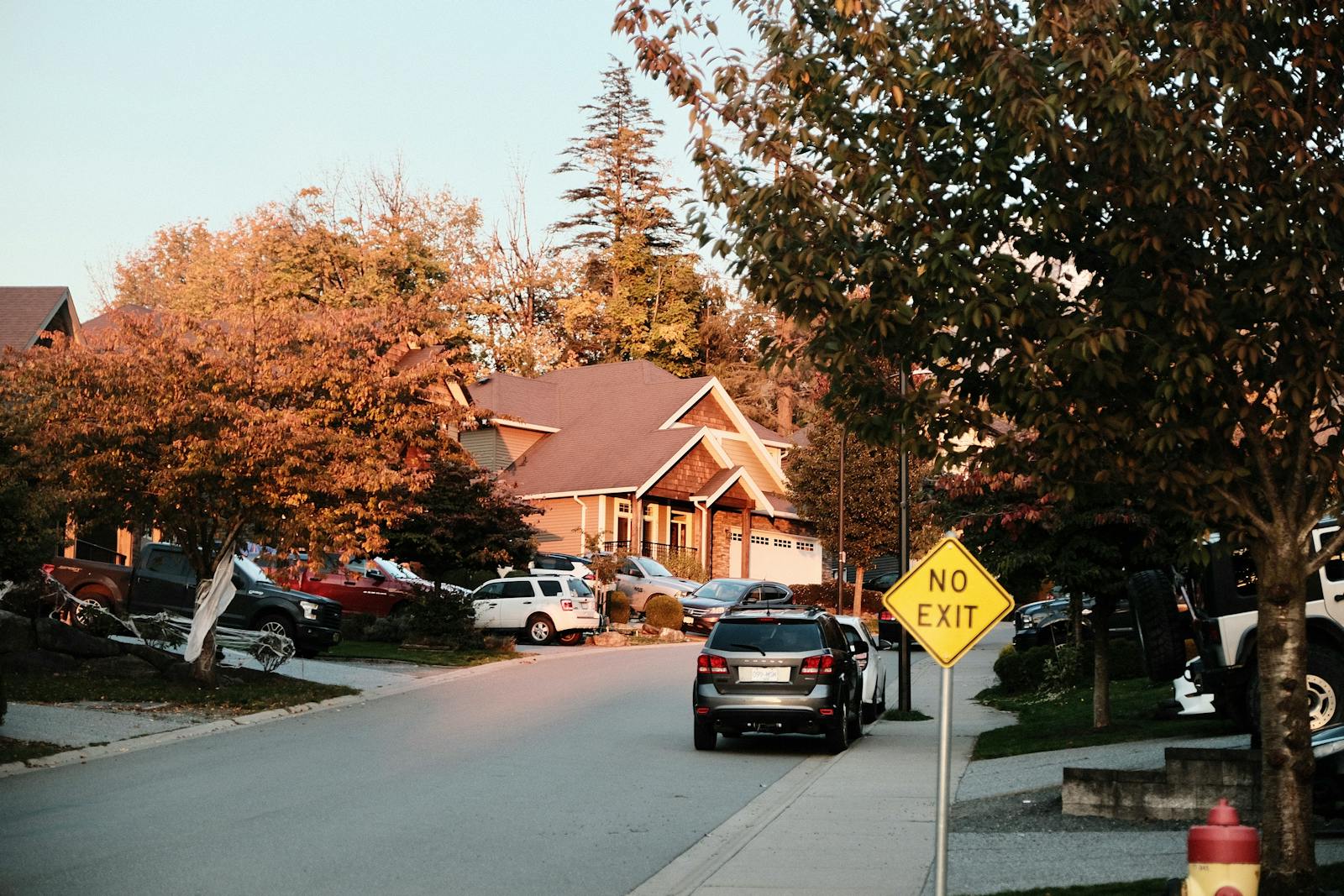
A homeowner in Vermont is embroiled in an unusual dispute with his neighbor over a shared driveway, which has escalated to disputes over maintenance costs. The homeowner, who purchased his house last year, finds himself in a frustrating situation with a neighbor he describes as entitled.
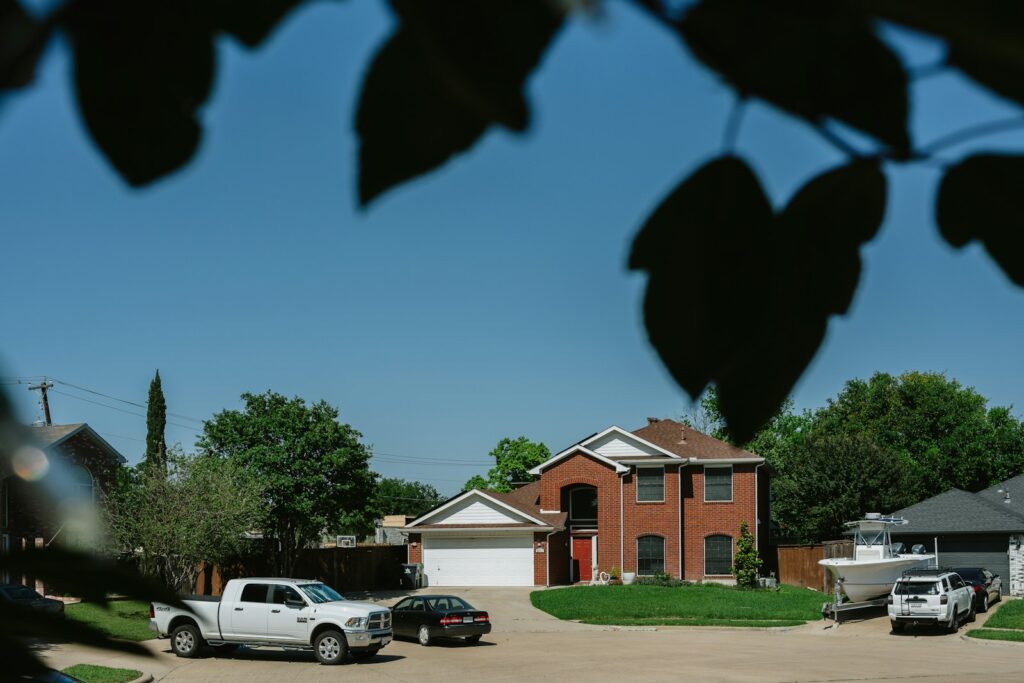
The neighbor, referred to as Rick, owns the driveway that provides access to both properties. The homeowner has a legal right-of-way through this driveway, but the conflict arises from the fact that Rick uses it significantly more than he does. Rick frequently has deliveries and visitors, including trucks from UPS and FedEx, not to mention regular traffic from the USPS mail truck. The homeowner documented Rick’s driveway usage multiple times a day using a Nest camera.
As winter approached and snow began to pile up, the homeowner approached Rick with a proposal for shared maintenance costs, specifically for snow plowing. Given the heavy usage by Rick and his business, the homeowner suggested a 50% split. However, Rick countered that request by claiming the homeowner was asking too much, arguing that he used the driveway less due to the fact that the homeowner has two units on his property. This argument disregarded the steady stream of traffic Rick invited onto the driveway.
The homeowner’s living situation is not that of a typical landlord; he purchased a duplex to ensure friends, one of whom is battling cancer, had a place to stay. On the contrary, Rick owns multiple properties, including a condo and a cabin, which compounds the sense of inequity in their negotiation.
After further back-and-forth communications, Rick offered what he called a “fair 15%” of the plowing costs. The homeowner rejected this proposal, feeling it was insufficient given Rick’s frequent use of the driveway. Following the homeowner’s silence on Rick’s counteroffer, the situation took an unexpected turn. Rick unilaterally decided that the homeowner should bear 100% of the maintenance costs for the driveway.
With that decision, Rick dismissed any discussion about proportional usage or equitable distribution of costs. There was no room for negotiation or rational discourse; it was a clear declaration of what he wanted the reality to be, regardless of the facts. The homeowner expressed disbelief at Rick’s entitled approach, sensing a distinct lack of accountability.
This unexpected pivot prompted the homeowner to seek legal advice. There are no stipulations in the deeds regarding shared costs for maintenance beyond the right-of-way clause, as the previous owners had not formalized any agreements. This legal ambiguity leaves the homeowner in a precarious position as he navigates a neighbor who seems to regard the rules as optional.
Online reactions to the homeowner’s plight have reflected a mix of sympathy and shock regarding Rick’s attitude. One person told him that it sounded like Rick was trying to take advantage of the situation. Another reader suggested documenting everything meticulously, as evidence might be necessary if the dispute escalates further.
The homeowner is now faced with the challenge of trying to resolve this conflict amicably while also considering legal avenues. The idea that the neighbor, who uses the driveway constantly for his business, would expect the other party to shoulder all costs seems to boggle the mind. The situation represents not just a clash of personalities but also a clear disconnect between the two neighbors’ expectations and responsibilities.
As of now, the homeowner is still contemplating whether to report Rick’s demands to the appropriate authorities and how best to navigate his rights. A simple negotiation over maintenance has turned into a complex situation fraught with tension and confusion.
More from Vinyl and Velvet:

Leave a Reply